Choosing Knit Stretch Covers for Pillows to Allow Greater Heat Escape
You want a knit stretch pillow cover because its flexible, open structure helps heat escape and boosts airflow where you need it most. Knit fabrics breathe better than woven ones, especially with moisture-wicking fibers like TENCEL™ or bamboo. A snug fit keeps the fabric taut and functional, so heat doesn’t trap. Choose breathable, durable materials tested for performance wash after wash. Look for options with added cooling tech or antimicrobial properties to stay comfortable and reduce irritation, and consider trying styles with trial periods to see what works best.
Notable Insights
- Choose knit stretch covers made from breathable, natural fibers like TENCEL™, bamboo, or modal for optimal heat escape.
- Select open-knit structures that enhance airflow while maintaining elasticity for a snug, non-restrictive fit.
- Prioritize moisture-wicking yarns to move sweat away and maintain a cool, dry sleep surface.
- Avoid tightly woven fabrics; knits naturally promote better ventilation and thermal regulation than wovens.
- Maintain cooling performance by washing with mild detergent and air drying to preserve fabric breathability.
Why Heat Escape Matters for Knit Stretch Pillow Covers
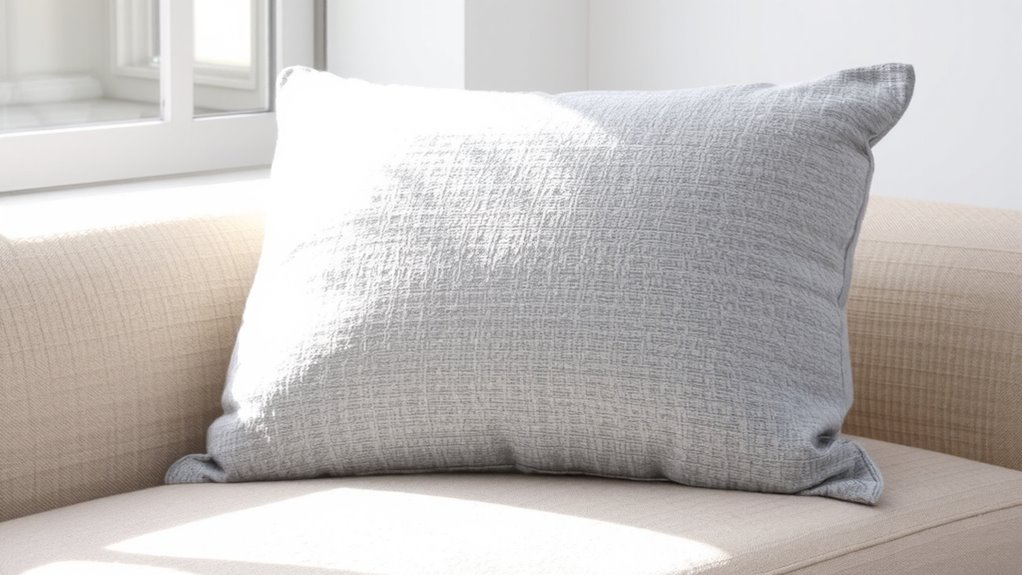
A well-designed knit stretch pillow cover doesn’t just fit snugly-it helps regulate your temperature by allowing heat to escape. You need this because trapped heat disrupts thermal regulation, possibly worsening restlessness or mild sleep disturbances. These covers use flexible fibers woven to enhance air permeability, letting warm air move out instead of building up near your skin. Good airflow supports stable body cooling, which matters if you tend to overheat at night. Materials with balanced elasticity and open-knit structures perform best, maintaining contact without sealing in warmth. Look for options tested for consistent breathability and durability across washes. Many brands offer trial periods, so you can test how well the cover manages heat in your sleep setting. A warranty often covers shape loss or seam stress, ensuring long-term performance. Choosing one with proven air permeability supports healthier thermal regulation-giving you a small but meaningful edge in comfort and consistency night after night.
How Knit Stretch Fabric Boosts Breathability
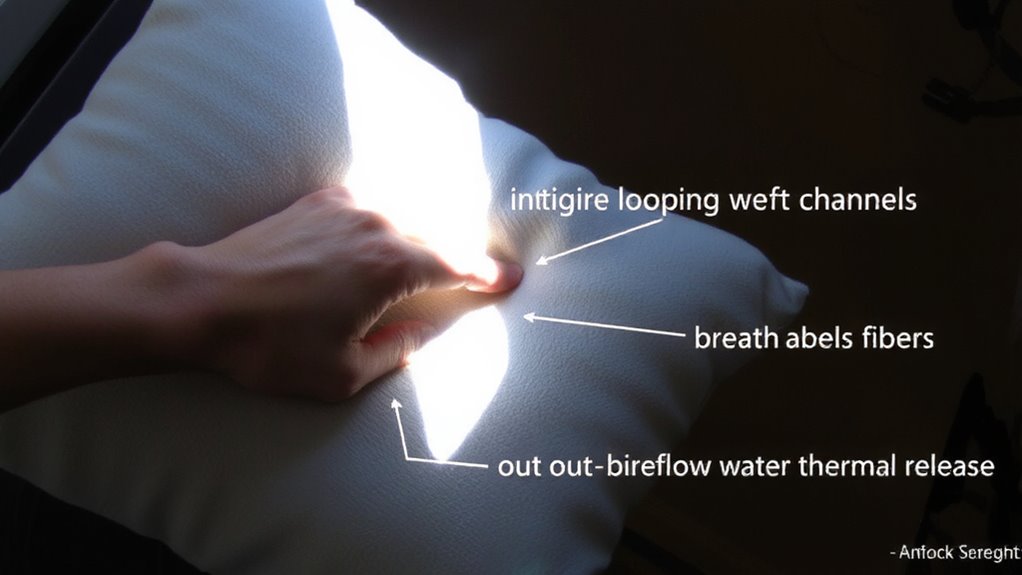
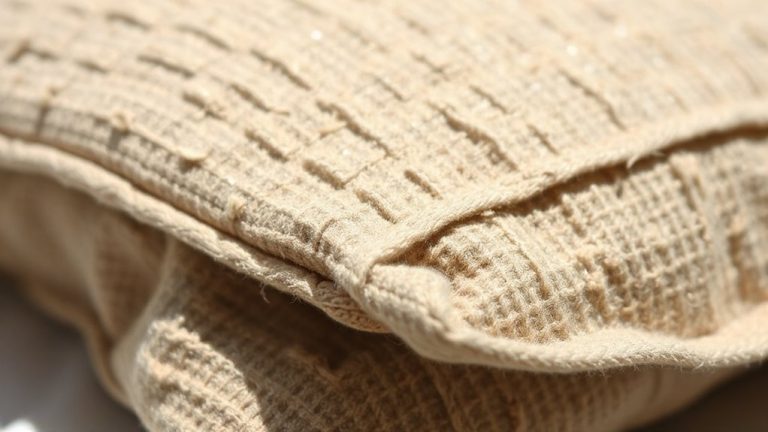
While many pillow covers focus on fit, knit stretch fabric goes further by improving airflow through its unique construction. The interlocking loops in the knit allow air circulation, helping heat escape instead of trapping it against your skin. You’ll notice less dampness at night because the fabric supports moisture wicking, moving sweat away before it builds up. This helps maintain a drier, more comfortable sleep surface, especially if you tend to sleep hot. The stretch itself doesn’t cool, but the structure it creates enhances breathability. These fabrics are often lightweight and soft, adding comfort without compromising airflow. Many come with trial periods, so you can test how they affect your sleep. Look for details on care and durability, as repeated washing can affect performance over time. Choosing one may support better temperature regulation, which matters for uninterrupted rest.
Best Cooling Fabrics for Knit Stretch Covers
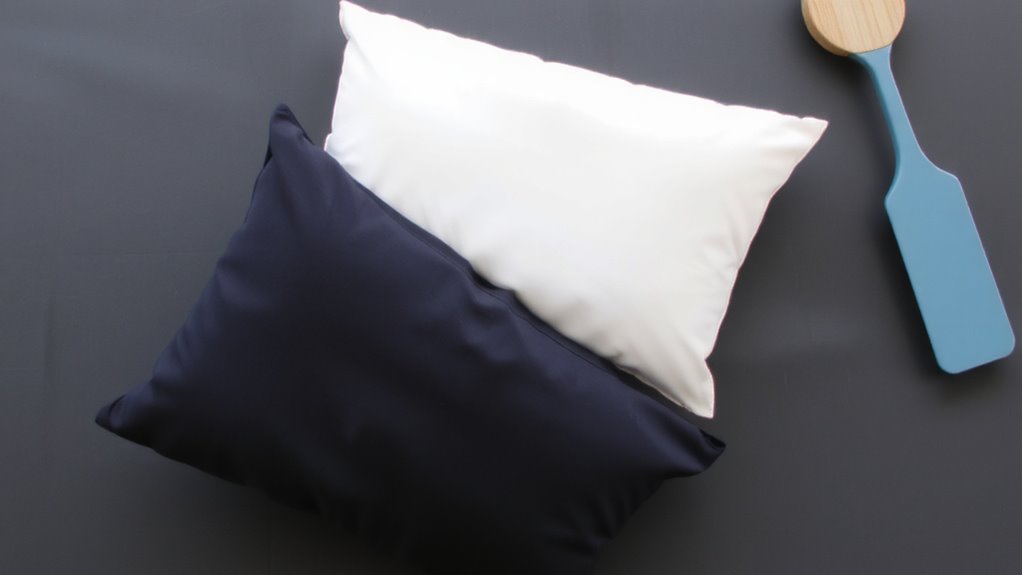
Because breathability matters most when you’re trying to stay cool at night, the fabric you choose for a knit stretch pillow cover can make a real difference. Look for fabrics like TENCEL™, bamboo, and modal, which offer excellent moisture wicking and help maintain temperature regulation. These fibers pull sweat away from your skin and allow air to circulate, reducing heat buildup. Cotton blends with cooling technology also perform well, especially when knitted to enhance flexibility and airflow. Some materials are treated with phase-change compounds to improve thermal balance, though natural fibers often provide more consistent results. Check if the cover is labeled as hypoallergenic or antimicrobial, which can support better sleep hygiene. Most high-quality options come with trial periods or warranties, so you can test comfort and cooling performance. Try one for at least a few nights to assess real-world benefits.
Knit Vs. Woven: Which Is Better for Heat Escape?
You’ve already considered which cooling fabrics work best in a knit stretch pillow cover, but the way the fabric is constructed-knit versus woven-also plays a key role in how well heat escapes. Knit fabrics typically have more stretch and a looser structure, allowing better airflow and heat release than tightly bound woven types. Their open construction lowers fabric density, helping heat move away from your body during sleep. Woven fabrics, with their tighter weave pattern, often trap more heat due to reduced breathability. If temperature regulation matters for your sleep comfort, especially with night sweats or insomnia, knit covers may support better thermal control. The flexibility and lighter touch of knits also suit sensitive sleepers. While both types have uses, the knit’s structure naturally favors heat escape. Try a sample if possible, and check warranty terms to guarantee you can test it risk-free.
Key Features to Look for in Knit Stretch Cooling Covers
Since not all knit stretch covers deliver the same level of comfort or cooling, it’s smart to focus on specific features that affect breathability, durability, and overall sleep performance. Look for fabrics engineered for thermal regulation-these help stabilize temperature by releasing excess heat. Minimizing moisture retention is also key; moisture-wicking fibers keep the sleep surface dry, which supports uninterrupted rest. Consider blend composition, knit tightness, and finish treatments. One top-performing option includes covers made with phase change materials for enhanced thermal comfort.
| Feature | Benefit | Consideration |
|---|---|---|
| Moisture-wicking yarn | Reduces moisture retention, improves hygiene | May require gentle washing |
| Open-knit structure | Enhances airflow, aids thermal regulation | Slightly less durability over time |
| Treated fibers | Boosts cooling, resists odor | Check for skin sensitivity |
Choose covers with trial periods or warranties to test comfort safely.
Why a Snug Fit Keeps You Cooler
A snug fit does more than keep your pillow cover looking neat-it plays a direct role in how well you stay cool through the night. When the knit stretch cover fits tightly, it maintains the fabric’s intended structure, including its tight weave. This precision helps regulate airflow while minimizing pockets of trapped air that can retain heat. Without excess space between the cover and pillow, heat escapes more efficiently instead of building up near your skin. A well-fitted cover also guarantees consistent contact with the surface, supporting even moisture wicking. You’ll find that a secure fit prevents bunching, which could otherwise disrupt cooling paths. Look for stretch materials that hug the pillow firmly without sagging over time. Many quality options offer trial periods, so you can test how the fit affects your sleep temperature. Choose wisely-fit impacts performance more than you might think.
Maintaining Cooling Performance Over Time
The cooling power of a knit stretch pillow cover shouldn’t fade after a few washes, and choosing one built for long-term performance makes all the difference. Over time, repeated washing and nightly use can lead to material degradation, especially with low-quality fabrics. You’ll want a cover that resists pilling, stretching out, or losing its breathability. Look for high-grade, tightly knitted fibers that maintain structure and airflow. Good sweat absorption is key-not just at first, but months down the line. Fabrics like moisture-wicking TENCEL™ or phase-change materials retain their function longer. Some brands offer trial periods or durability warranties, letting you test performance over weeks. Proper care, like mild detergent and air drying, also helps preserve cooling features. When material degradation slows, your sleep comfort stays consistent-important if you deal with night sweats or temperature-sensitive sleep issues. Always check product details on longevity and care.
On a final note
You’ll stay cooler with knit stretch pillow covers since they let heat escape better than woven ones. Their breathable fabric traps less warmth, helping regulate your body temperature. A snug fit keeps the cover in place without adding bulk. Choose moisture-wicking, high-quality fibers to maintain performance after washes. Look for easy-care labels and warranties that support long-term use, so you can test them confidently. Try one if you tend to sleep hot.