The Impact of Sleeping in Cold Rooms on Muscle Stiffness and Joint Mobility
Sleeping in a cold room can leave your muscles stiffer and joints less mobile by morning. Your body temperature drops overnight, and a chilly room makes it drop further, slowing blood flow and reducing oxygen to muscles. This cold-induced vasoconstriction also hampers waste removal, increasing inflammation. Older adults or those with arthritis may feel it more. Aim for 60–67°F, use breathable bedding, and consider layered sleepwear or a mattress with balanced thermal regulation to support recovery-options with trial periods let you test what works.
Notable Insights
- Cold rooms can worsen morning muscle stiffness due to overnight drops in body temperature.
- Reduced blood flow from cold-induced vasoconstriction limits nutrient delivery and joint lubrication.
- Older adults and those with arthritis are more vulnerable to cold-related joint discomfort.
- Ideal bedroom temperatures of 60–67°F balance sleep quality and morning mobility.
- Breathable, insulating bedding helps maintain warmth without overheating during sleep.
Why Cold Rooms Make Mornings Stiffer
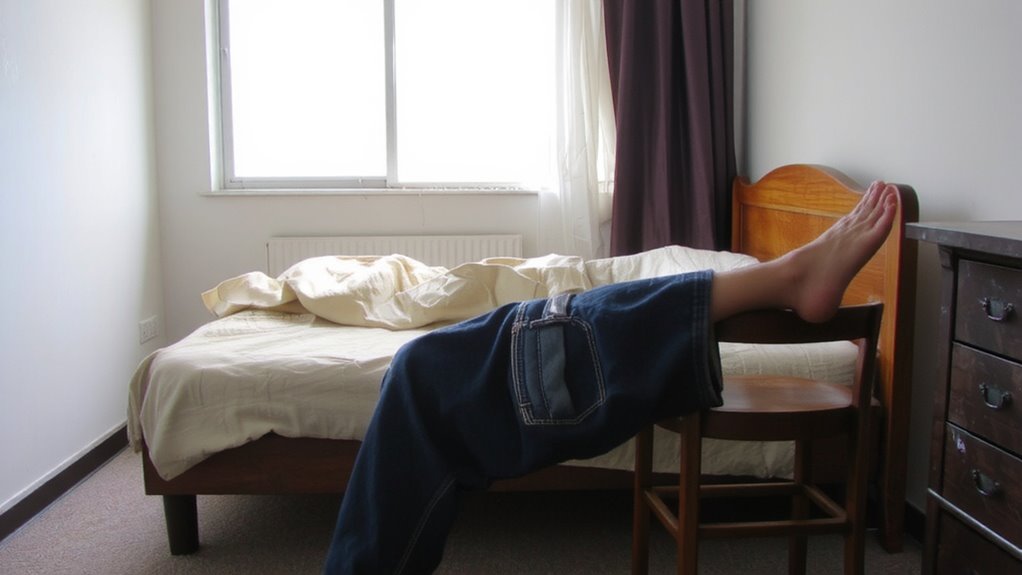
Why does it feel so much harder to move when you first wake up in a cold room? Your body temperature drops overnight, influenced by your circadian rhythm, and a cold environment deepens that drop. When you wake, muscles stiffen in lower temps, slowing your morning rituals. Your nervous system reacts more sluggishly, making simple stretches feel harder. This stiffness isn’t permanent, but it can delay your daily start. Warming your bedroom slightly-ideally between 60–67°F-helps maintain ideal muscle function overnight. For those with sleep disorders, temperature-sensitive bedding or heated mattress pads with auto-shutoff features and trial periods may help. Look for models with adjustable settings and warranties of at least one year. These supports don’t fix circadian misalignment but can reduce physical discomfort, letting you rise more smoothly. Monitoring how temperature changes affect your wake-up ease helps guide smarter sleep aid choices. Choosing the right best pillows for scoliosis can further support spinal alignment and reduce morning stiffness.
How Cold Slows Blood Flow and Hurts Joints

Though your body naturally cools during sleep, dropping too low can narrow blood vessels and reduce circulation, especially in your extremities. This vasoconstriction limits oxygen and nutrient delivery to muscles and joints, making them stiffer by morning. Reduced blood flow also slows the removal of metabolic waste, contributing to inflammation and discomfort. You might not realize it, but a cold room triggers a metabolic slowdown, further reducing your body’s ability to maintain joint lubrication and repair tissue overnight. This means even minor joint issues can feel worse after sleeping in a chilly environment. If you’re using cooling mattresses or sleep aids that lower body temperature, consider balancing them with breathable layers that retain warmth. Look for bedding with adjustable thermal properties and trial periods, so you can test comfort without risk. Proper temperature balance supports circulation and mobility, helping you wake with greater ease.
Who’s Most Vulnerable to Cold-Induced Stiffness
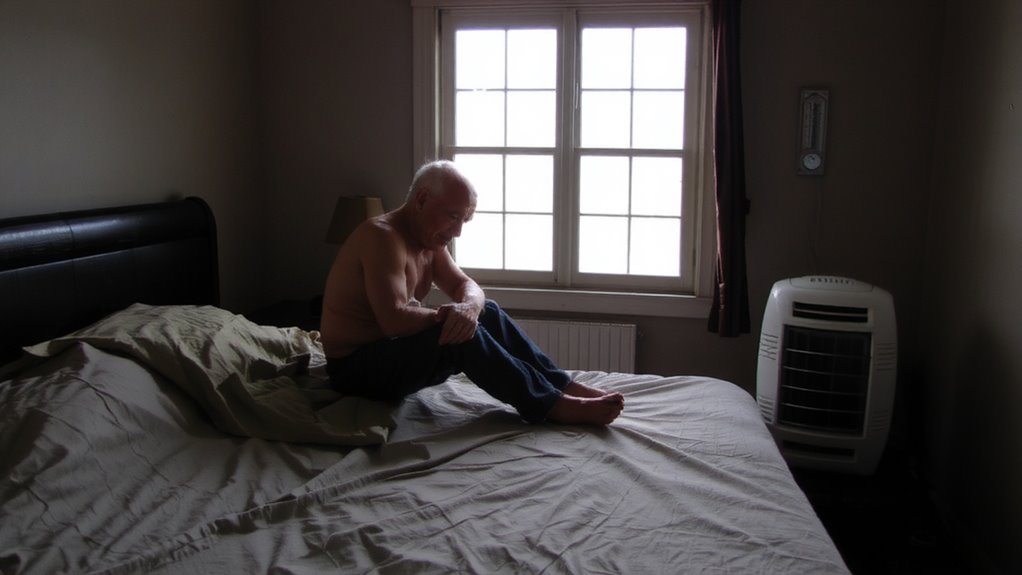
Who feels stiffness after a night in a cold room? You might, especially if you’re an older adult or managing chronic conditions. Elderly individuals often experience reduced circulation and thinner joint cartilage, making them more sensitive to cold-induced stiffness. If you live with arthritis, fibromyalgia, or other chronic conditions, your muscles and joints may tighten more easily in lower temperatures. Your body’s natural repair processes slow at night, and cold worsens this effect. You’re not alone-many report morning stiffness linked to bedroom temperature. Consider adjusting your thermostat to a mild 67–70°F. Use layered bedding for warmth without overheating. Some find relief with heated blankets or moisture-wicking pajamas. Trial options gradually, noting changes in mobility. Look for sleep aids with safety certifications and adjustable settings. Always consult your doctor when stiffness affects daily function.
Cold Vs. Comfort: Sleep Quality Vs. Joint Pain
If you’re trying to balance restful sleep with joint comfort, temperature matters more than you might think. Sleeping in a room that’s too cold can increase muscle tension and worsen joint pain, especially if your sleep posture isn’t supportive. A cooler environment may help some people fall asleep faster, but if you wake stiff, the trade-off might not be worth it. Your mattress quality plays a key role-higher-density foams can retain cold, making pressure points worse. Look for mattresses with breathable yet insulating materials that regulate temperature without sacrificing support. Try adjusting the thermostat or using layered bedding you can remove easily. Consider temperature-neutral pillows and adjustable bases to improve sleep posture. Many quality brands offer trial periods, so test what works. You don’t have to choose between sleep quality and comfort-small tweaks can help you keep both.
The Best Bedroom Temperature for Mobility and Recovery
You’ve probably noticed how a stiff morning can throw off your entire day, especially when joint discomfort makes movement harder. The ideal bedroom temperature for mobility and recovery usually falls between 60–67°F (15–19°C). This range supports core body cooling, which promotes deeper sleep and muscle repair. But temperature isn’t the only factor-bedroom humidity matters too. Aim for 40–60% to prevent dry air from irritating joints and airways. Your sleep posture also influences recovery; a supportive mattress and aligned spine reduce pressure points. Consider breathable bedding that wicks moisture, helping maintain steady conditions. Adjust gradually, monitoring how you feel upon waking. Small changes in temperature, humidity, or sleep posture can improve next-day flexibility and comfort, supporting long-term joint health and restful sleep without drastic measures. For consistent airflow without disruptive noise, a quiet fan for sleeping can enhance thermal regulation throughout the night.
On a final note
You’ll likely wake with less stiffness if you sleep in a slightly warmer room, since cold slows blood flow and tightens muscles. For better joint mobility and recovery, aim for 66–69°F (19–20.5°C). If you use cooling pillows or mattresses, balance them with warm blankets. Consider breathable bedding that regulates temperature. Trial adjustments over a week can reveal what supports both sleep quality and morning comfort, helping you decide on changes or aids wisely.