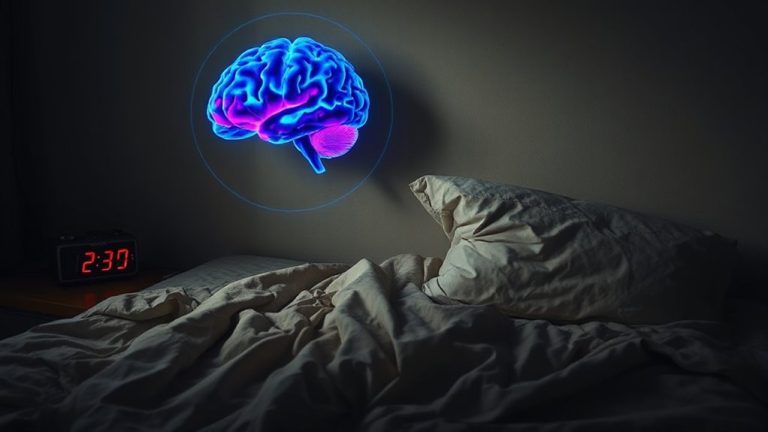
The Impact of Evening Sugar Intake on Inflammation and Sleep Architecture
Eating sugar at night spikes your blood glucose when your body’s least equipped to handle it, fueling inflammation and disrupting sleep cycles. High glucose feeds harmful gut bacteria, promoting immune responses that worsen over time. Insulin surges reduce deep and REM sleep, while cortisol spikes delay sleep onset. Poor sleep then increases inflammatory markers, creating a harmful loop. You can support better rest and lower inflammation with smart snack choices that stabilize blood sugar-there’s more to discover about turning this cycle around.
Notable Insights
- Evening sugar intake spikes blood glucose, increasing oxidative stress and promoting chronic inflammation.
- High nighttime glucose feeds harmful gut bacteria, disrupting microbiome balance and triggering immune inflammation.
- Sugar-induced insulin surges impair deep and REM sleep, fragmenting sleep architecture.
- Nocturnal glucose fluctuations trigger cortisol release, delaying melatonin and disrupting sleep onset.
- Replacing evening sugar with low-glycemic, nutrient-rich snacks helps stabilize glucose and improve sleep quality.
Why Nighttime Sugar Causes Inflammation
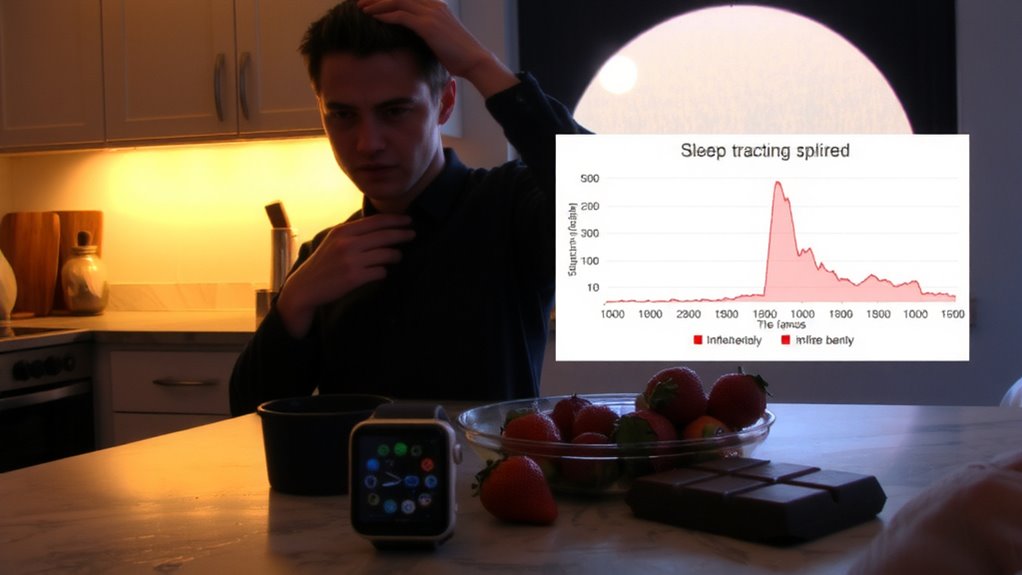
While your body can handle sugar at any time, consuming it in the evening often leads to a sharper rise in blood glucose because metabolic activity slows as you prepare for sleep. That spike promotes inflammation, especially when repeated regularly. Excess sugar feeds harmful gut bacteria, contributing to gut microbiome imbalance, which in turn triggers immune responses linked to chronic inflammation. At the same time, your body’s reduced efficiency at night increases oxidative stress accumulation, damaging cells and worsening inflammatory markers. These changes may not cause immediate symptoms, but over time they affect overall health and resilience. Managing evening sugar intake helps maintain metabolic balance and lowers inflammatory risks. Though sleep aids or adjustments might seem helpful, addressing diet first supports deeper, more sustainable improvements. Consider this a key factor when evaluating sleep quality or exploring options for better rest.
How Sugar Before Bed Disrupts Sleep Cycles
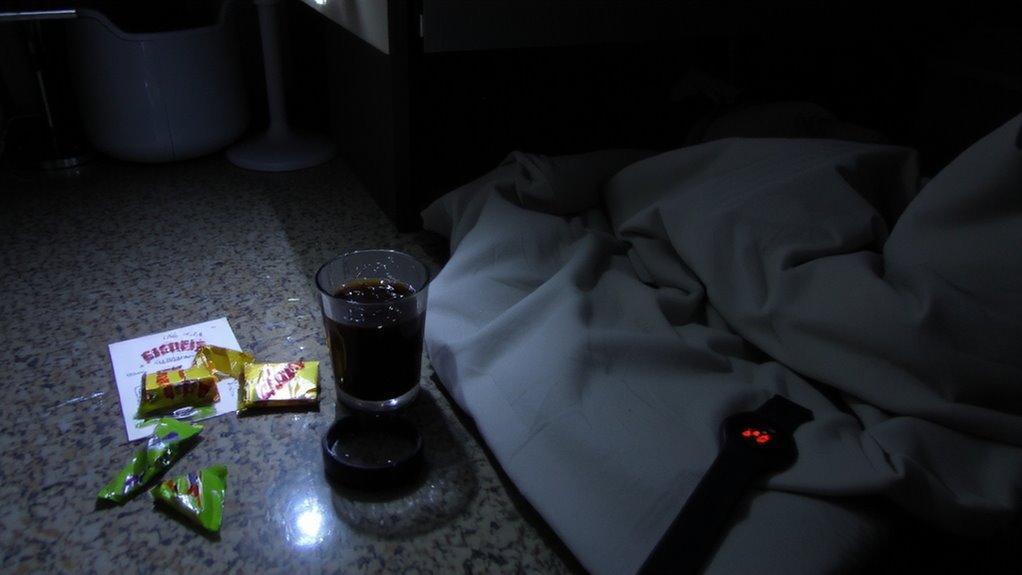
Because your body prioritizes digestion and blood sugar regulation at night, eating sugar before bed can interfere with how deeply and steadily you sleep. When you consume sugar late, your insulin response spikes, which over time may contribute to insulin resistance, making it harder for your body to maintain stable glucose levels while you rest. This instability can fragment your sleep cycles, reducing REM and deep sleep phases. Sugar also prompts a cortisol imbalance, keeping your stress hormones elevated when they should be winding down. Elevated cortisol at night disrupts melatonin release, delaying sleep onset and reducing overall sleep quality. You might not notice immediate effects, but repeated disruptions can worsen sleep disorders. Instead of relying on sleep aids, consider adjusting evening eating habits-avoiding sugar can support more natural, restorative sleep patterns without side effects or dependency risks. A simple change with measurable benefits.
How Blood Sugar Spikes Trigger Chronic Inflammation

When your blood sugar shoots up after eating sugar at night, your body kicks into overdrive, triggering a chain reaction that can lead to long-term inflammation. Repeated spikes strain your cells, promoting insulin resistance and oxidative stress over time. These changes don’t happen overnight, but nightly sugar habits increase your risk steadily.
| Factor | Role in Inflammation | Long-Term Effect |
|---|---|---|
| Blood Sugar Spikes | Overwork insulin response | Insulin resistance |
| Oxidative Stress | Damages cells and tissues | Chronic inflammation |
| Nightly Sugar Intake | Sustains high glucose | Immune system imbalance |
| Insulin Resistance | Reduces glucose control | Higher inflammatory markers |
| Inflammatory Cytokines | Signal immune activity | Tissue damage over time |
Managing evening sugar helps stabilize metabolism and supports overall health. Choosing low-glycemic snacks reduces strain, improving long-term outcomes without drastic changes.
Why Sugar Steals Your Deep and REM Sleep
That nightly sugar habit doing damage to your metabolism might also be the reason you’re not getting restful sleep. Eating sugar late causes glycemic variability, spiking your blood glucose and prompting insulin surges that disrupt sleep cycles. As glucose drops rapidly, it triggers stress hormones like cortisol, increasing neural excitation when your brain should be winding down. This heightened brain activity interferes with moving into deep and REM sleep, stages essential for repair and memory consolidation. Even if you fall asleep quickly, you’re less likely to stay in restorative stages long enough for true recovery. Over time, this pattern alters sleep architecture without obvious symptoms. Choosing low-glycemic evening snacks helps reduce fluctuations. Devices like sleep trackers can monitor sleep stages and highlight improvements when dietary changes are made. Consider a two-week trial eliminating evening sugar to assess sleep quality changes.
How Poor Sleep Increases Inflammation
While poor sleep might seem like a minor issue, it actually plays a key role in raising inflammation throughout your body. When you face sleep deprivation, your system reacts as if under stress, triggering an overactive immune response. This chronic activation releases pro-inflammatory markers like cytokines and C-reactive protein, which, over time, contribute to long-term health risks. Even a few nights of disrupted sleep can shift your body into a heightened state of alertness, making it harder to regulate normal inflammatory processes. You might not notice it right away, but this imbalance can affect how you feel and function. Improving sleep quality helps reset your immune response, reducing unnecessary inflammation. Addressing sleep disorders early-through behavioral changes, consistent schedules, or evaluating sleep aids-can support better outcomes. Look for options with clear trial periods or warranties so you can test them confidently.
How to Reduce Late-Night Sugar Cravings
Cutting back on evening sugar starts with understanding what drives your cravings, especially after poor sleep. You’re more likely to face intense sugar urges when tired, thanks to shifts in craving psychology that make sweets seem irresistible. Emotional eating often plays a role-stress, loneliness, or boredom can trigger the desire for comfort food late at night. Recognizing these patterns helps you respond with better choices instead of reacting automatically. Try keeping a sleep and food journal to spot connections between poor sleep and nighttime snacking. Prioritizing earlier sleep or addressing sleep disorders may reduce the mental fatigue that fuels cravings. Some find mild sleep aids helpful, but check with a provider to weigh benefits and risks. Small changes in routine, paired with self-awareness, can lessen emotional eating and support healthier responses over time.
Best Bedtime Snacks for Sleep and Less Inflammation
What if your bedtime snack could actually help you sleep better and lower inflammation? The key lies in smart choices and proper snack timing. Picking foods rich in tryptophan, magnesium, and fiber supports restful sleep and reduces inflammatory markers. Pairing your snack with proper bedtime hydration-like herbal tea or water-can aid digestion and comfort. For those looking to optimize their nighttime routine, best pre-bed snacks can make a meaningful difference in both sleep quality and overall wellness. Below are practical options that balance nutrition and sleep support:
| Snack | Benefits |
|---|---|
| Banana with almond butter | Magnesium + healthy fats for relaxation |
| Oatmeal with cinnamon | Fiber-rich, stabilizes blood sugar |
| Chamomile tea + walnuts | Calming effects, omega-3s for inflammation |
| Greek yogurt + berries | Probiotics, antioxidants, and protein |
Keep portions small and eat 60–90 minutes before bed. This improves sleep onset and reduces metabolic strain.
On a final note
You can improve sleep and reduce inflammation by avoiding sugar at night. Spikes in blood sugar trigger inflammatory markers and disrupt deep, REM stages of sleep. Over time, this cycle worsens both rest and health. Choosing bedtime snacks with protein, fiber, or healthy fats helps stabilize levels and supports recovery. Simple swaps make a difference, and small changes are easier to sustain. Consider tracking responses to food and sleep patterns over two weeks to spot trends and adjust wisely.