The Benefits of Using Undyed Organic Cotton for Sensitive Sleepers
You’re probably exposed to synthetic dyes and chemical residues in conventional sheets, which can irritate sensitive skin over time. Undyed organic cotton skips these additives, offering a cleaner, gentler fabric that breathes well and helps regulate your body temperature. Its natural fibers reduce friction and moisture buildup, supporting undisturbed sleep. Grown without synthetic pesticides, it’s less likely to carry irritants. Many brands back it with trial periods, so you can test comfort with confidence-learn how the right choice may improve your nightly rest.
Notable Insights
- Undyed organic cotton avoids synthetic dyes and chemical residues that may irritate sensitive skin during sleep.
- Natural fiber breathability helps regulate body temperature, preventing night sweats and overheating.
- Organic farming eliminates synthetic pesticides and fertilizers, reducing allergen exposure in bedding.
- The absence of dyes preserves cotton’s softness and reduces the risk of skin irritation over time.
- Undyed cotton sheets maintain fiber integrity, offering durable, hypoallergenic comfort for sensitive sleepers.
What’s Really in Your Bed Sheets?
Ever wonder what’s really touching your skin as you sleep? Conventional bed sheets often carry chemical residues from processing, including formaldehyde and softening agents that linger long after manufacturing. You’re likely exposed all night, and over time, that contact might affect your sleep quality. Many of these sheets also use synthetic dyes, which can release compounds absorbed through the skin. While they look vibrant, these dyes aren’t always skin-neutral and may contribute to irritation or disrupt sleep for sensitive individuals. Some brands disclose their treatments, but others don’t, making it hard to know what you’re lying on. Choosing materials with transparent sourcing helps you make informed decisions. Opting for alternatives without synthetic dyes or heavy chemical residues could reduce nighttime discomfort. It’s not a cure-all, but it’s a practical step toward better sleep hygiene. Try samples first-many companies offer trial periods-to assess comfort and compatibility.
Why Sensitive Skin Loves Undyed Organic Cotton
Undyed organic cotton offers a clean starting point for those with sensitive skin, minimizing exposure to irritants common in conventional bedding. You’re likely avoiding harsh chemicals, synthetic dyes, and residues that can trigger discomfort or reactions during sleep. This fabric relies on natural fibers, which breathe well and reduce moisture buildup-important for maintaining skin health overnight. The gentle touch of undyed cotton feels soft against your body, decreasing friction that might otherwise irritate delicate skin. Since no dyes are used, there’s less risk of allergens leaching out over time. Many brands use certified organic farming methods, ensuring purity from field to finished product. Consider trying a set with a trial period, so you can test how your skin responds. Look for third-party certifications to verify claims about materials and processing. It’s a simple switch, but one that supports your comfort and long-term sleep quality.
How Undyed Cotton Keeps You Cool and Calm
You already know that skipping dyes and chemicals helps reduce irritation for sensitive skin, but there’s another benefit to choosing undyed organic cotton that affects how well you sleep: temperature control. Because undyed cotton retains its natural structure, the natural fibers stay intact, allowing air to circulate freely. This means you get full breathability benefits, helping your body regulate heat without overheating. Unlike synthetic blends that trap moisture, undyed organic cotton wicks light sweat and lets your skin stay dry. This steady airflow supports calm, uninterrupted sleep-useful if you struggle with night awakenings or mild sleep disruptions. The fabric’s loose weave and purity enhance performance, especially in warmer rooms. Many brands offer trial periods, so you can test the feel without risk. While not a medical sleep aid, the comfort and temperature stability may improve your sleep environment. Consider this a practical step if you’re exploring non-invasive ways to support rest.
What Makes Undyed Organic Cotton Different
Though it might seem like all cotton is created equal, undyed organic cotton stands apart in both how it’s made and how it performs night after night. You skip synthetic dyes, which means the fibers stay in their natural state, preserving fiber integrity and reducing harsh chemical exposure. Without dyes, there’s no color retention to worry about-no fading or bleeding after washes. That also means less irritation for sensitive skin, since dyes often trigger reactions. The fabric breathes better, too, because the fibers aren’t coated or altered. You’ll notice it feels softer over time, not stiff or rough. Products made with this cotton often come with long trial periods and warranties, so you can test comfort without risk. It’s a simple swap that supports your sleep environment by keeping materials as close to nature as possible-ideal if you’re cautious about allergens or night disruptions.
Why Cleaner Farming Means Better Sleep
Because farming methods shape everything from fabric texture to environmental impact, choosing undyed organic cotton supports a cleaner production chain that can indirectly improve your sleep quality. When farmers prioritize soil health, they grow stronger cotton plants without synthetic fertilizers, leading to more resilient, natural fibers for your sheets. These fibers are less likely to carry irritants that could disrupt your rest, especially if you’re sensitive. Crop rotation plays a key role-it maintains nutrient balance in the soil, reduces pests naturally, and avoids the heavy chemical use found in conventional cotton farming. Fewer chemicals mean fewer residues in your bedding, which may help reduce nighttime skin irritation or respiratory discomfort. While cleaner farming won’t cure sleep disorders, it’s a simple step that supports a healthier sleep environment. You’re not just choosing fabric-you’re choosing a farming system that values balance, sustainability, and long-term wellness. For sensitive sleepers, selecting the right best cotton bedding can further enhance comfort and promote a more restful night’s sleep.
How to Pick the Softest, Safest Sheets
Feel the difference before you buy-softness isn’t just about touch, it’s built into how sheets are made. You’ll want to check thread count, but don’t assume higher is better; 300–400 gives softness and breathability without trapping heat. Instead of chasing high numbers, focus on fiber origin-organic cotton from trusted farms means fewer irritants and cleaner processing. Sheets made from long-staple organic cotton feel smoother and last longer because the fibers are stronger and more uniform. Breathable weaves like percale or sateen add comfort, especially if you overheat at night. Look for manufacturers that let you test sheets at home; a good trial period means you can judge softness and comfort over time. Choose options with certifications verifying fiber origin and safe dyes. These details don’t guarantee sleep, but they reduce risk for sensitive skin and may improve rest. For those seeking ultimate comfort and warmth, consider layering with a best blanket made from natural, non-irritating materials.
How to Switch to Chemical-Free Bedding
Where do you start when making the shift to chemical-free bedding? Begin by replacing one item at a time with eco friendly choices, like undyed organic cotton sheets or a natural latex pillow. These sustainable swaps reduce nighttime skin irritation and support healthier sleep cycles. Look for certifications like GOTS or OEKO-TEX to guarantee no synthetic dyes or harsh treatments were used. For high-quality options, consider the best organic cotton sheets as a top choice for natural, restful sleep.
| Item | Conventional Material | Chemical-Free Swap |
|---|---|---|
| Sheets | Polyester, bleached cotton | Undyed organic cotton |
| Pillow | Synthetic fill, chemical flame retardants | Organic cotton or natural latex |
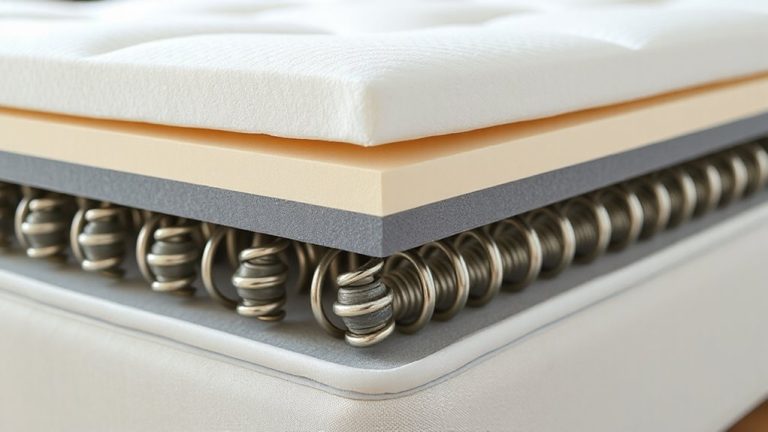
| Mattress | Foam with VOCs | GOTS-certified organic mattress |
Many brands offer trial periods, so test comfort before committing. Opting for breathable, non-toxic materials can improve sleep quality, especially if you have sensitivities.
On a final note
You’ll sleep cooler and more comfortably with undyed organic cotton, thanks to its breathable fabric and lack of synthetic dyes. These sheets are gentler on sensitive skin and reduce nighttime irritation. Grown without toxic pesticides, they support cleaner air and water, indirectly benefiting long-term health. Look for GOTS-certified options, test them during a trial period, and check warranty policies to make a confident, informed switch.