Why You Might Be Experiencing Night Sweats During Deep Sleep
You might be experiencing night sweats during deep sleep because your body’s temperature naturally drops, but an overheated room or heavy bedding can disrupt this process. Conditions like sleep apnea, menopause, or hyperthyroidism may also trigger sweating. Some medications, especially antidepressants, affect temperature control. Wearing breathable pajamas, keeping your room around 65°F, and using moisture-wicking bedding can help. Solutions often depend on identifying the underlying cause, so exploring further can guide better choices.
Notable Insights
- Your body’s natural temperature drop during deep sleep can be disrupted by a warm room or heavy bedding, leading to night sweats.
- Sleep apnea may cause night sweats due to breathing interruptions and reduced oxygen levels during deep sleep cycles.
- Hormonal changes, such as menopause or hyperthyroidism, can impair temperature regulation and increase nighttime sweating.
- Certain medications, including antidepressants and fever-reducing drugs, may disrupt thermoregulation and trigger night sweats.
- Wearing non-breathable pajamas or using moisture-trapping bedding can hinder cooling and worsen sweating during deep sleep.
Why Deep Sleep Triggers Night Sweats
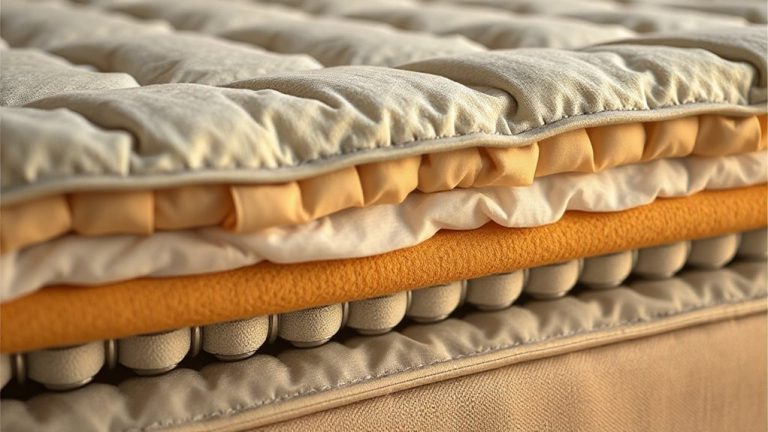
While your body naturally lowers its temperature during deep sleep to help regulate restorative cycles, this shift can sometimes go too far, triggering night sweats. Your body temperature drops to support healing and brain function, but if your sleep environment is too warm or poorly ventilated, it may confuse your system, causing excessive sweating. Heavy bedding, non-breathable pajamas, or a room above 68°F can disrupt thermal regulation. Cooling mattresses, moisture-wicking fabrics, and adjustable thermostats help maintain balance. Some sleep trackers even monitor body temperature trends to alert you of patterns. Choosing breathable materials and setting a cooler, consistent sleep environment improves comfort. These small changes are easy to test and often come with trial periods, so you can assess what works. You don’t need a medical cause to benefit from smarter sleep conditions-simple fixes may make a noticeable difference over time. For those struggling with persistent moisture, the right best bedding for night sweats can significantly improve sleep quality.
Medical Conditions Linked to Night Sweats
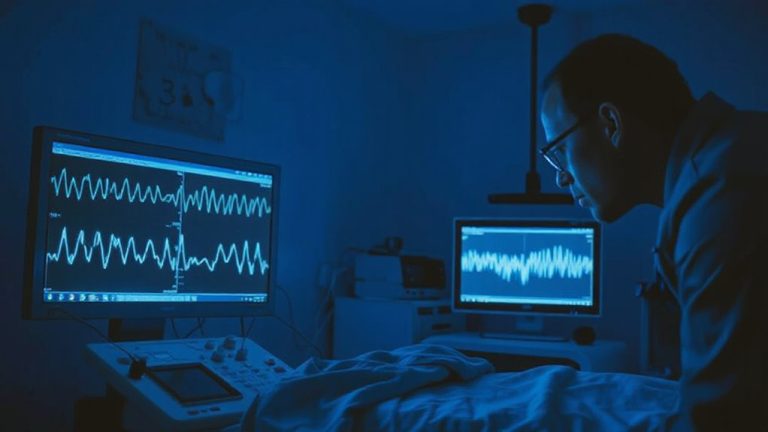
Night sweats aren’t always about your bedroom being too warm or your pajamas trapping heat-sometimes, they point to an underlying health issue. If you’re often drenched during deep sleep, conditions like sleep apnea could be involved. This disorder causes breathing interruptions that stress your body, possibly triggering sweating. You might also notice snoring or morning fatigue. Thyroid disorders, especially hyperthyroidism, ramp up your metabolism, making you overheat at night. These aren’t just discomforts- they’re signals. Tracking your symptoms and discussing them with a doctor helps pinpoint the cause. Testing can confirm sleep apnea or thyroid imbalances, guiding treatment. For sleep apnea, CPAP machines are effective; for thyroid issues, medication can restore balance. Addressing the root often improves sleep quality. Don’t ignore persistent night sweats- they’re worth investigating to protect your rest and health. A non-invasive alternative to CPAP for managing sleep apnea is using an anti-snoring mouthpiece.
Hormonal Changes and Night Sweats
What if the real reason you’re waking up soaked has less to do with your bedding and more to do with your body’s internal signals? Hormonal changes could be driving your night sweats, especially during deep sleep. Fluctuations in estrogen and other hormones commonly trigger menopause symptoms, including sudden heat surges at night. Similarly, a thyroid imbalance can overactivate your metabolism, causing excessive sweating. These internal shifts disrupt temperature regulation. Identifying the root cause helps guide better sleep choices.
| Cause | Common Signs |
|---|---|
| Menopause symptoms | Hot flashes, irregular periods |
| Thyroid imbalance | Weight changes, fatigue |
| Hormonal fluctuations | Mood swings, sleep disruption |
| Low progesterone | Anxiety, night waking |
| Adrenal issues | Cravings, energy drops |
Tracking symptoms can inform discussions with your doctor.
Medications That Cause Night Sweats
Some medications you’re taking might be behind those disruptive night sweats, even if they don’t seem related to sleep. Antidepressant side effects often include changes in body temperature regulation, which can trigger sweating at night. You might not realize the link, especially if your mood has improved while sleep suffers. Certain fever reducing drugs, like aspirin or acetaminophen, can also cause night sweats in some people, even though they’re meant to lower body heat. These reactions vary based on dosage and individual sensitivity. If you started night sweats after a medication change, it’s worth discussing with your doctor. They may adjust your dose or suggest alternatives with fewer side effects. Keep a sleep and medication log to identify patterns. Don’t stop any prescription on your own. A careful review helps balance treatment needs and sleep quality safely.
Can Anxiety Cause Night Sweats?
Could your late-night drenching be tied to how stressed you’ve been? Yes-your anxiety might be the culprit. When you’re anxious, your body can release stress hormones like cortisol and adrenaline, even during sleep. These hormones ramp up your heart rate and metabolism, which may trigger night sweats. If you’ve experienced nocturnal panic attacks, you’re more likely to wake up soaked. That sudden wave of fear, often without a clear cause, brings sweating, shaking, and intense discomfort-all while you’re trying to rest. Night sweats from anxiety usually occur during lighter sleep stages but can disrupt deep sleep too. Recognizing patterns between your mood, sleep quality, and episodes can help clarify the cause. You don’t need to jump to medication-you might first consider tracking symptoms or discussing sleep behaviors with a professional. Incorporating best noise masking solutions may also reduce anxiety-related sleep disruptions by promoting a calmer sleep environment.
How to Stop Night Sweats Naturally
Why do you wake up drenched when you’re not overheated? Night sweats can disrupt deep sleep, but natural fixes may help. Start by improving bedroom ventilation-keep airflow steady with an open window or fan. Your diet choices matter too; avoid spicy foods, alcohol, or heavy meals before bed. Wear lightweight pajamas and use breathable bedding. Check your sleep environment: a cooler room (around 65°F) supports temperature regulation.
| Factor | Change | Effect |
|---|---|---|
| Bedroom ventilation | Use fan or open window | Improves air circulation |
| Diet choices | Avoid late spicy meals | Reduces internal heat |
| Room temperature | Set to 65°F | Supports deep sleep |
| Bedding material | Choose cotton or bamboo | Enhances moisture wicking |
These adjustments support rest without sleep aids. Try them consistently for best results.
On a final note
You might wake up sweaty because deep sleep raises your body’s temperature, especially if your room’s warm or your bedding traps heat. Some medications, hormonal shifts, or conditions like sleep apnea could also play a role, as can anxiety. Try lighter pajamas, a cooler room, or moisture-wicking sheets. If night sweats continue, checking with a doctor helps rule out underlying causes and guides safe, informed choices about sleep aids or treatments.