How to Handle Sleep Regression in 5-Year-Olds After Trauma
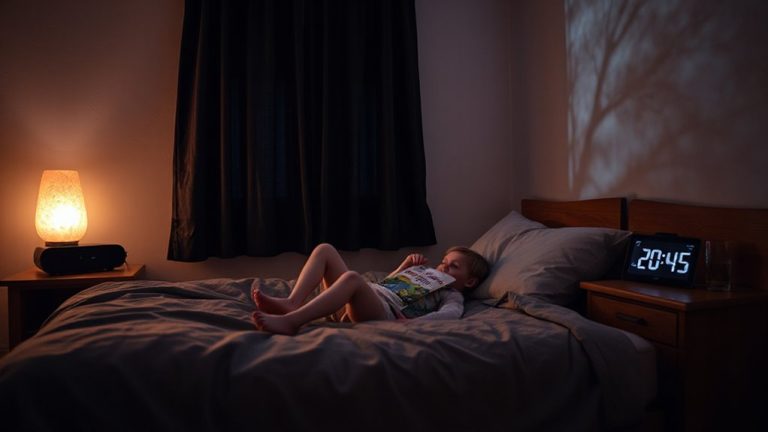
After trauma, your child’s sleep may suffer due to heightened anxiety, nightmares, or fear of the dark. Keep bedtime calm and consistent with low lighting, a comfort object, and quiet routines like breathing exercises or familiar stories. Use a dim night light and minimize screens. Respond to night wakings gently and briefly. If disruptions persist, consider trauma-informed support-options for healing and rest are within reach.
Notable Insights
- Establish a consistent, calming bedtime routine to help regulate the child’s nervous system and signal safety.
- Use a warm night light and comfort object to reduce fear of the dark and increase emotional security.
- Respond to night wakings with brief, calm reassurance to avoid overstimulation while reinforcing safety.
- Limit screen time before bed and maintain a quiet, clutter-free sleep environment to support sleep continuity.
- Seek trauma-informed professional support if sleep disturbances persist or significantly impact daily functioning.
How Trauma Disrupts Sleep in 5-Year-Olds
While trauma can deeply affect a child’s sense of safety, it often shows up in sleep in very clear ways-especially for 5-year-olds whose nervous systems are still developing. You might notice emotional dysregulation at bedtime, like sudden outbursts or intense fear of the dark, even if your child once slept easily. This happens because trauma activates the stress response, making it hard for their body to shift into rest mode. Cognitive fragmentation-where thoughts feel scattered or disjointed-can also interfere, causing nightmares or difficulty remembering sleep routines. Their brain struggles to process the day, disrupting both falling and staying asleep. You’ll want consistency: predictable bedtime rituals, a calm environment, and gentle reassurance. Avoid screens before bed, since overstimulation worsens these effects. When considering sleep aids, choose ones backed by pediatric guidelines and short-term use, focusing on safety and minimal side effects. Trial periods of routine adjustments often work better than immediate interventions.
Signs Your Child’s Sleep Is Trauma-Related
You may already know that trauma affects how your child sleeps, but spotting the specific signs helps determine whether sleep troubles are tied to past stressful events. If your child shows a sudden fear of dark, even if they once slept comfortably, it may signal trauma-related distress. Nightmares replaying events or general unease at bedtime are common. You might also notice increased separation anxiety, especially when it’s time to sleep-your child may insist on staying near you or refuse to stay in bed alone. These behaviors can disrupt sleep continuity and make falling asleep harder. Watch for changes in sleep patterns that coincide with emotional shifts. Not all sleep issues stem from trauma, but when fear of dark and separation anxiety appear together, they often point to underlying stress. Tracking these signs helps identify whether professional support or targeted sleep strategies are needed.
Build a Calming Bedtime Routine
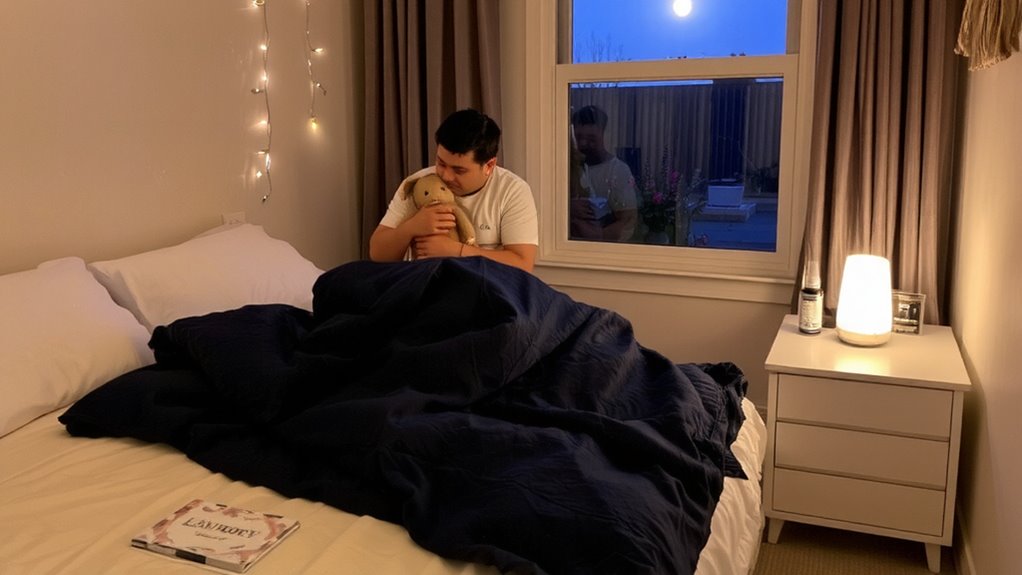
If your child has experienced trauma, creating a consistent and soothing bedtime routine can make a meaningful difference in their ability to relax and fall asleep. Begin at the same time each night with low lights and quiet activities to signal it’s time to wind down. Incorporate soft music or calming breathing exercises to help ease tension. Reading bedtime stories together provides predictable comfort and strengthens emotional safety. Choose gentle, familiar books-avoid anything with intense themes. Allow your child to hold a comfort object, like a favorite stuffed animal or blanket, to help them feel grounded. These items offer sensory reassurance and can improve sleep onset. Keep the routine short-20 to 30 minutes-so it’s manageable and repeatable. Consistency matters more than length. Try this routine nightly for at least two weeks to assess its effect before adjusting.
Make the Night Feel Safe
A predictable routine helps your child unwind, but feeling safe in their space at night plays an equal role in reducing bedtime anxiety after trauma. Night lights can help-opt for warm, dimmable ones placed low to the floor to reduce shadows without disrupting melatonin. Choose models with automatic sensors or timers for consistent performance. Comfort objects like a favorite stuffed animal or blanket offer emotional grounding; guarantee they’re washable and free of choking hazards. Let your child help pick these items so they feel a sense of ownership. Keep night lights and comfort objects in the same spot each night to reinforce familiarity. Avoid overloading the room with too many devices or toys, which can create clutter and distraction. The goal isn’t perfection, but steady, reassuring signals that the space is secure, predictable, and built to support calm, restorative sleep. For optimal comfort, consider best dimmable night lights that offer adjustable brightness and a warm glow.
Calm Night Wakings and Nightmares Gently
What happens when your child wakes suddenly, heart racing, from a nightmare or unexplained fear? You can help them regroup with calm, consistent responses. Guide them back to bed gently, offering familiar comfort objects like a favorite stuffed animal or blanket linked to safety. These items provide tactile reassurance and can reduce anxiety during night wakings. Play soft, soothing sounds-such as white noise or gentle lullabies-through a reliable sound machine with a timer, minimizing disruptions. Keep light exposure low and interactions brief to signal it’s still sleep time. Avoid lengthy conversations, but stay present long enough to restore a sense of security. Responding predictably builds trust and reinforces that nighttime fears, while real, don’t control the routine. This approach supports emotional regulation and encourages independent re-settling over time, without creating dependencies that hinder long-term sleep success.
When to Seek Trauma-Informed Help
How do you know when nighttime struggles point to something deeper? If your child’s sleep issues last more than a few weeks or get worse despite your efforts, it might be time to seek trauma-informed help. Watch for signs like extreme fear at bedtime, frequent nightmares, or trouble calming down. Poor emotional regulation during the day-like sudden anger or withdrawal-can also signal unresolved stress. Trauma-informed professionals understand how trauma affects sleep and behavior. They might suggest play therapy, which helps children process experiences in a safe, familiar way. You’re not failing-you’re recognizing when support is needed. A specialist can guide you on whether sleep aids or routines need adjusting. Early help improves long-term outcomes. Trust your instinct if something feels off. Getting help isn’t urgent only in crisis-it’s part of steady healing.
Restore Sleep and Healing Together
You’ve already taken a meaningful step by recognizing when nighttime challenges might reflect deeper stress, and now it’s time to focus on rebuilding sleep in a way that supports healing. Creating consistent bedtime routines fosters emotional bonding and signals safety, helping your child relax. Try reading together, using soft voices, or gentle touch-these small acts nurture trust and encourage shared healing. Limit screen time before bed and keep the room cool, dark, and quiet to support natural sleep rhythms. Watch for signs of sleep disorders, like frequent night wakings or sleepwalking, and track patterns for a week to discuss with a pediatrician. Avoid sleep aids unless advised; instead, trial behavioral strategies first. Most children improve with routine and connection. If problems persist, check warranty on any sleep products you use and consider professional input. Healing happens gradually, often in quiet moments together.
On a final note
You know your child best, and small, consistent steps often bring the most progress. A calming routine, safe sleep space, and gentle responses to night wakings support healing without pressure. Watch for patterns that persist despite your efforts-some cases need trauma-informed care. Sleep aids or interventions vary in fit, so trial periods and professional guidance help weigh benefits and limits, ensuring choices align with your child’s needs and recovery.