How Sleep Cycle Monitoring Can Detect Early Signs of Neurodegeneration
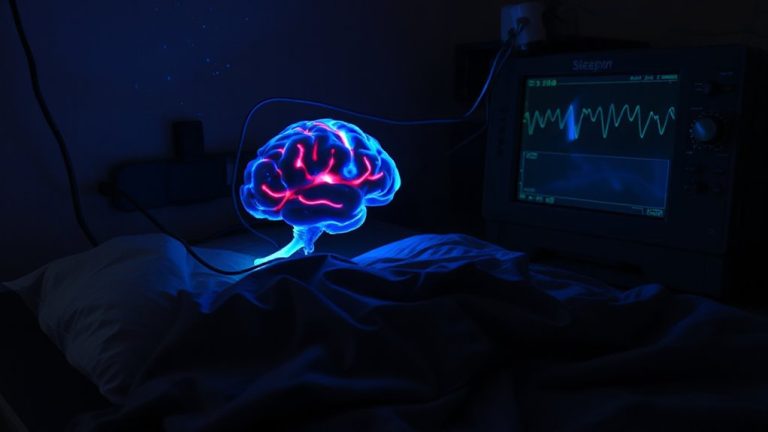
Your sleep cycles can reveal early signs of neurodegeneration before obvious symptoms appear. Changes like REM disruption or frequent nighttime awakenings may signal underlying brain changes linked to conditions such as Alzheimer’s or Parkinson’s. Wearable trackers use heart rate, motion, and breathing data to estimate sleep stages with clinical-grade accuracy. Tracking patterns over time helps spot declines in deep or REM sleep. Sharing this data with a doctor adds valuable context for evaluation, especially if you notice memory lapses or mood shifts-early insights could guide better long-term care choices.
Notable Insights
- Disrupted REM sleep, including dream enactment, may signal early neurodegenerative changes before clinical symptoms appear.
- Sleep fragmentation and reduced deep sleep can reflect underlying neuronal loss linked to Alzheimer’s and Parkinson’s diseases.
- Wearables track sleep stages using heart rate, motion, and breathing patterns to detect subtle brain health changes.
- Long-term sleep cycle trends provide non-invasive, longitudinal data for early detection of neural decline.
- Persistent sleep abnormalities combined with cognitive concerns warrant medical evaluation to identify potential neurodegeneration.
What Is Neurodegeneration and Why Early Detection Matters
Think of neurodegeneration as a slow decline in brain cells, affecting how you move, think, and function over time. You experience cognitive decline as memory lapses, slower thinking, or trouble focusing-signs that may start small but grow more disruptive. This decline is tied to neuronal loss, the death of nerve cells your brain needs to process information and control movement. Conditions like Alzheimer’s and Parkinson’s are linked to this kind of damage. Early detection matters because it gives you a chance to act before symptoms worsen. Spotting changes sooner can guide better decisions about sleep, lifestyle, or medical advice. While sleep aids or treatments can’t reverse neuronal loss, they may support brain health when used appropriately. Monitoring shifts in your sleep patterns offers a practical window into what’s happening inside your brain-without invasive tests-helping you make informed choices backed by evidence.
How Sleep Reflects Brain Health: The Science
Why does your brain seem sharper after a good night’s sleep? Because your brain uses sleep to reset and organize itself. During different sleep stages, your brain waves shift in pattern and speed, helping with memory, mood, and mental clarity. Deep sleep, in particular, supports brain health by clearing waste and strengthening neural connections. REM sleep boosts emotional regulation and problem-solving. Monitoring these sleep stages shows how well your brain recovers nightly. Irregular brain waves or disrupted sleep cycles may signal early imbalance. Devices that track sleep stages and brain waves can offer useful insights into your brain’s function over time. While not diagnostic, consistent data helps you and your doctor spot trends. Consider using sleep aids or adjusting habits if patterns show poor sleep quality. Look for tools with clear data, strong privacy, and clinical backing for best results. Some advanced sleep-tracking smartwatches now offer detailed insights into deep and REM sleep patterns through clinically validated sensors, making best sleep-tracking smartwatches a practical option for at-home monitoring.
Sleep Red Flags in Alzheimer’s and Parkinson’s
You’ve likely noticed how a disrupted night affects your focus and mood the next day, and when it comes to long-term brain health, the patterns in your sleep can signal more than just fatigue. In Alzheimer’s and Parkinson’s, early warning signs often show up as REM disruption, where you act out dreams due to lost muscle paralysis during REM sleep. This can precede other symptoms by years. Sleep fragmentation-frequent, unnoticed awakenings-also becomes common, reducing deep sleep quality. You may not remember waking, but your brain isn’t resting. These shifts aren’t just poor sleep hygiene; they reflect underlying neural changes. Recognizing them early helps you seek evaluation before major decline. Monitoring isn’t diagnosis, but noting trends in your sleep cycles provides useful data. Discussing REM disruption or persistent fragmentation with a doctor allows timely follow-up. Simple changes won’t reverse these patterns, but awareness supports better long-term decisions.
How Wearables Track Brain-Health-Linked Sleep Patterns
While they can’t directly measure brain activity like a medical EEG, modern wearables use motion sensors, heart rate variability, and breathing patterns to estimate your sleep stages with surprising accuracy. You’ll get insights into when you’re in light, deep, or REM sleep, even if true brain wave analysis remains off-limits outside clinical tools. These devices detect subtle shifts-like increased heart rate or reduced movement-to flag patterns tied to brain health. Some can identify REM disruption, a potential early marker linked to neurodegenerative conditions. While not diagnostic, consistent tracking helps you spot changes over time. Look for wearables with validated sleep staging, long battery life, and comfortable fit for nightly use. Most offer apps that visualize trends and sync with health platforms. Check warranty terms and return policies in case the device doesn’t meet your needs. Using them regularly gives you data to discuss with a sleep specialist. A top-tier option for accurate long-term monitoring is a device recognized among the best sleep trackers.
Early Warning Signs: What Your Sleep Data Reveals
Could your nightly rest be hinting at something deeper? Changes in your sleep quality may signal early cognitive decline before obvious symptoms appear. Wearable devices track patterns-like restless nights or fragmented REM cycles-that, over time, could suggest brain health shifts. You don’t need a diagnosis to pay attention. Subtle, consistent changes matter most. A supportive sleep environment, including the right mattress foundation, can improve sleep quality and reduce disruptions linked to poor rest.
| Nightly Disruptions | What It Might Mean | How You Might Feel |
|---|---|---|
| Waking often | Poor sleep quality | Tired, unfocused |
| Short REM periods | Brain processing lag | Slower thinking |
| Irregular schedule | Circadian disruption | Mood shifts |
| Long入睡 latency | Sleep onset issues | Frustration, stress |
| Frequent movements | Neurological changes | Daytime confusion |
Tracking these signs helps you make informed choices about sleep aids, routines, or further monitoring-all before bigger issues arise.
When to See a Doctor: Turning Data Into Diagnosis
Noticing changes in your sleep patterns over time can raise questions about what’s really going on beneath the surface. If your sleep duration drops markedly or your cycles become irregular without clear cause, it might be time to consult a doctor. These shifts, especially when paired with subtle signs of cognitive decline-like forgetfulness or difficulty focusing-can signal underlying neurological changes. Sleep tracking data offers valuable clues, but it’s not a diagnosis. When trends persist for weeks or interfere with daily life, a healthcare provider can assess what the numbers might mean. They’ll review your data alongside medical history and symptoms, possibly ordering further tests. Don’t wait until problems worsen. Early evaluation helps differentiate normal variation from potential red flags, guiding next steps in monitoring or care.
Can Sleep Tracking Help Prevent Neurodegeneration?
How can something as routine as tracking your sleep make a difference when it comes to long-term brain health? Monitoring your sleep cycle helps spot disruptions in your circadian rhythm, which may signal early neurodegenerative changes. When you track patterns over time, you can catch irregularities like delayed sleep onset or frequent awakenings, prompting earlier consultation with a doctor. Good sleep hygiene-like consistent bedtimes, reduced screen time, and a dark, quiet room-supports stable cycles. Some sleep trackers measure REM duration and deep sleep, both linked to brain health. While no device prevents neurodegeneration, the data guides better habits and timely evaluations. You can use trial periods to test different trackers, checking comfort and accuracy. Warranties and app integration vary, so compare models. Tracking isn’t a cure, but it’s a practical tool for informed decisions about your sleep and long-term wellness.
On a final note
You can use sleep tracking to spot early shifts tied to brain health, like longer REM cycles or frequent nighttime awakenings. These patterns, when consistent, may signal changes linked to conditions like Alzheimer’s or Parkinson’s. Wearables offer useful data, but they’re not diagnostic tools. Share long-term trends with your doctor, especially if sleep problems persist. Some devices offer free trials and solid warranties, making them a low-risk way to monitor patterns over time.