Circadian Rhythm Disorders and Heart Disease Risk Factors: The Importance of Maintaining a Healthy Sleep Schedule
Your circadian rhythm helps control heart health by syncing with light and dark cycles, and when it’s off, your heart disease risk goes up. Shift work, irregular sleep, or screen use at night can disrupt this rhythm, leading to higher blood pressure, inflammation, and insulin resistance. Poor sleep also affects hormones that manage hunger and stress, increasing risks for weight gain and diabetes. Keeping a consistent sleep schedule, limiting blue light, and getting morning sunlight help reset your internal clock. You’ll find clear steps to support long-term heart health through better sleep habits.
Notable Insights
- Circadian disruption increases heart disease risk by promoting inflammation and oxidative stress.
- Night shift work misaligns the internal clock, raising cardiovascular strain and hormone imbalances.
- Irregular sleep schedules elevate nighttime blood pressure and reduce restorative sleep stages.
- Poor sleep contributes to insulin resistance, weight gain, and higher diabetes risk.
- Consistent sleep and wake times strengthen circadian rhythms, supporting long-term heart health.
How Circadian Disruption Damages Your Heart

While your body’s internal clock is designed to keep your heart healthy by syncing with the natural rise and fall of daylight, disrupting that rhythm-whether from shift work, late-night screen use, or irregular sleep schedules-can quietly raise your risk for heart problems. When your sleep cycle falls out of sync, it triggers chronic inflammation and increases oxidative stress, both of which damage blood vessels over time. Your heart works harder, repairs less efficiently, and becomes more vulnerable. Consistent, quality sleep helps regulate these responses. If you struggle with sleep, consider evaluating your habits: reducing screen time before bed, sticking to a regular schedule, and creating a restful environment can make a difference. For lasting issues, consult a healthcare provider to discuss possible sleep disorders and evidence-based treatments. Simple changes now support long-term heart health without unnecessary interventions.
Why Night Shifts Raise Your Heart Disease Risk

Why do night shifts take such a toll on your heart? You’re up when your body expects sleep, throwing off your internal clock. This mismatch causes sleep deprivation, reducing your rest quality and duration. Over time, too little sleep strains your cardiovascular system. Night work also triggers hormonal imbalance, increasing stress hormones like cortisol while lowering melatonin, which helps regulate heart function. These shifts raise inflammation and disrupt metabolism, both linked to heart disease. Your body repairs itself during deep sleep, so missing it nightly limits recovery. If you work nights, prioritize a consistent sleep schedule-even on days off-and consider blackout curtains or white noise machines. Some find short-term sleep aids helpful, but check with a provider first. A regular routine supports better long-term heart health.
How Erratic Sleep Spikes Blood Pressure
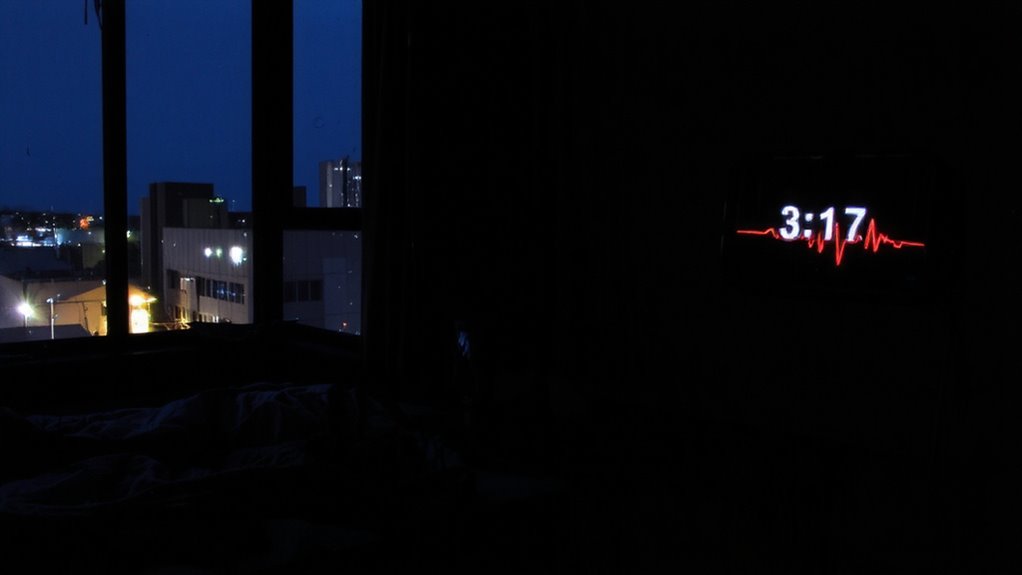
What happens when your sleep schedule keeps changing? Your body struggles to regulate essential functions, especially blood pressure. Sleep variability confuses your circadian rhythm, leading to inconsistent dips in blood pressure that should occur at night. Over time, this increases strain on your cardiovascular system.
| Factor | Impact on Blood Pressure |
|---|---|
| Irregular bedtimes | Raises nighttime blood pressure |
| Frequent wake-ups | Reduces restorative sleep stages |
| Shift changes | Disrupts circadian alignment |
| Weekend catch-up sleep | Increases variability, stress response |
You don’t need perfect sleep every night, but reducing sleep variability helps maintain healthy blood pressure. Consider setting consistent sleep and wake times, even on weekends. If disruptions persist, evaluate sleep aids or disorders with a professional. Many options include wearables to track patterns or devices with adjustable lighting to support rhythm stability. Look for models offering sleep diagnostics and trial periods to test effectiveness. For those exploring tech-based solutions, top-rated wearable devices can provide valuable insights into sleep quality and circadian trends.
How Poor Sleep Triggers Weight Gain and Diabetes
Could your nightly rest be shaping your waistline and blood sugar without you realizing it? When you skimp on sleep, your body can develop insulin resistance, making it harder to manage blood sugar levels. Over time, this raises your risk for type 2 diabetes. Poor sleep also triggers a metabolic slowdown, reducing the calories you burn at rest. That means even if you eat the same amount, you’re more likely to gain weight. Hormones that control hunger-like ghrelin and leptin-get thrown off, increasing cravings, especially for sugary, high-calorie foods. Shift work, late nights, or sleep disorders like insomnia or sleep apnea can worsen these effects. If you’re using sleep aids, discuss long-term strategies with your doctor to balance benefits and risks. Addressing sleep quality early helps support metabolic health.
How to Reset Your Sleep Schedule for a Healthier Heart
When was the last time you fell asleep and woke up around the same time, even on weekends? Resetting your sleep schedule starts with consistency. Set a fixed bedtime and wake time, even on days off, to strengthen your body’s internal clock. Exposure to bright morning light helps-spend at least 15–30 minutes outside soon after waking. This signals your brain to stay alert and improves nighttime sleep quality. Avoid screens and blue light at night, and create a calming bedtime routine. Practice good sleep hygiene: keep your bedroom cool, dark, and quiet. If needed, melatonin supplements may help reset your rhythm, but consult a doctor first. Small, steady changes support heart health by stabilizing blood pressure and reducing stress hormones. Give your body time-adjust in 15-minute increments if necessary. Most shifts take a few days to feel natural. Using sleep-friendly lighting can further support your circadian rhythm by reducing disruptive blue light exposure in the evening.
On a final note
You can protect your heart by aligning your sleep with your body’s natural rhythm. Sticking to a consistent schedule, even on weekends, helps stabilize blood pressure and metabolism. If you struggle with sleep, consider light exposure control and limit screens at night. Before trying sleep aids, consult a doctor-some help short-term, but lifestyle changes offer lasting benefits. Many find success with gradual adjustments and professional guidance.