How to Manage Advanced Sleep Phase Disorder in Retirement Communities
You can manage Advanced Sleep Phase Disorder by using morning light therapy-sit by a 10,000 lux lightbox for 20–30 minutes after waking, keeping it at an angle with eyes open but not staring directly. Pair this with evening walks or social activities in bright light to delay sleep onset. Avoid screen blue light at night. Track sleep patterns and review medications monthly. Most light therapy devices offer 30- to 90-day trials, so test what works-there’s more to learn about refining these routines over time.
Notable Insights
- Identify ASPD through consistent early sleep and wake times, distinguishing it from normal aging or insomnia.
- Use morning light therapy with a 10,000 lux lightbox for 20–30 minutes to reset circadian rhythms.
- Encourage evening activities and outdoor walks to delay sleep onset and promote later bedtimes.
- Implement individualized sleep plans using sleep tracking data and medication reviews.
- Train staff to support non-drug interventions and educate residents and families about circadian rhythm management.
Understand Advanced Sleep Phase Disorder in Older Adults
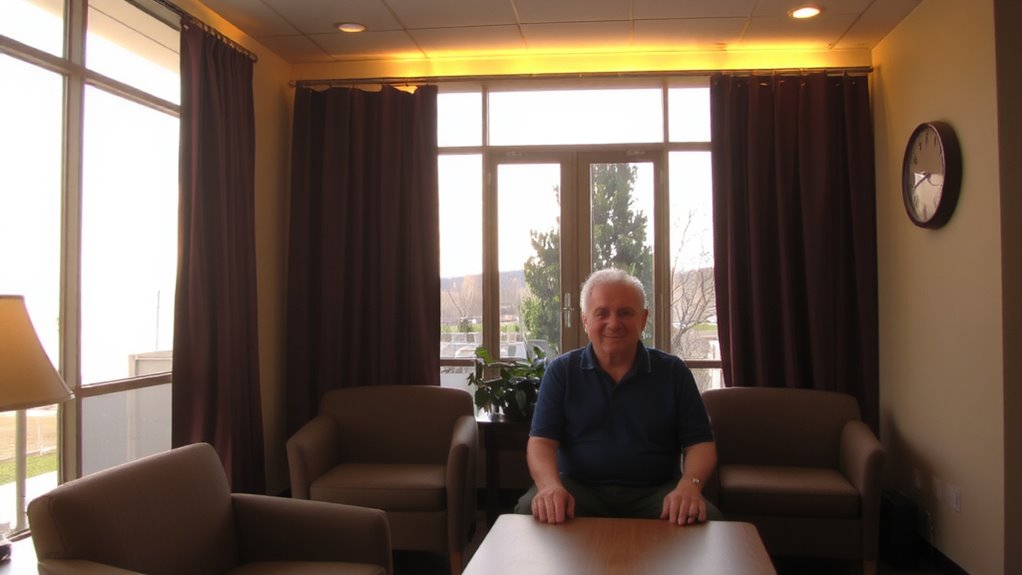
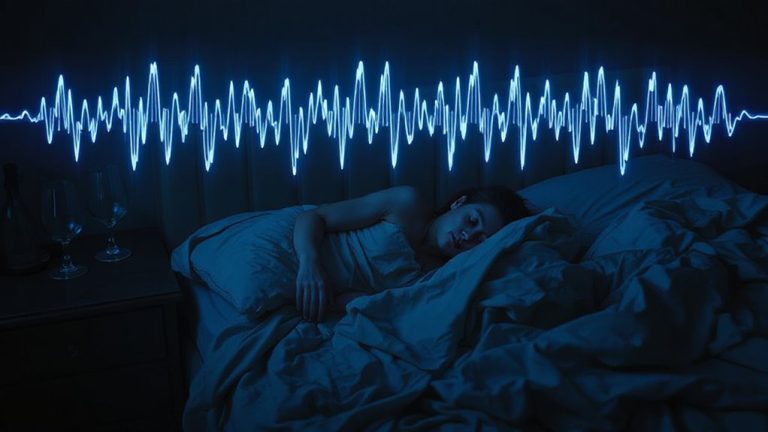
While you might think waking up at 4 a.m. is just part of getting older, it could actually be a sign of Advanced Sleep Phase Disorder (ASPD), a condition that shifts your sleep schedule several hours earlier than normal. You may fall asleep around 6 or 7 p.m. and wake up too early, unable to return to sleep. This pattern isn’t just inconvenient-it can mimic chronic insomnia or worsen sleep fragmentation, leaving you tired. Unlike typical age-related changes, ASPD follows a consistent, advanced rhythm. It’s not caused by poor habits or stress alone, though those can add to the problem. Recognizing it as a circadian rhythm disorder helps you seek proper evaluation. Treatment options include timed light exposure, melatonin, or adjusting activity schedules. Accurate diagnosis is key since mistaking ASPD for insomnia might lead to unhelpful sleep aids. Tracking your sleep patterns over time can support better decisions with your doctor.
Spot the Signs of ASPD in Retirement Residents
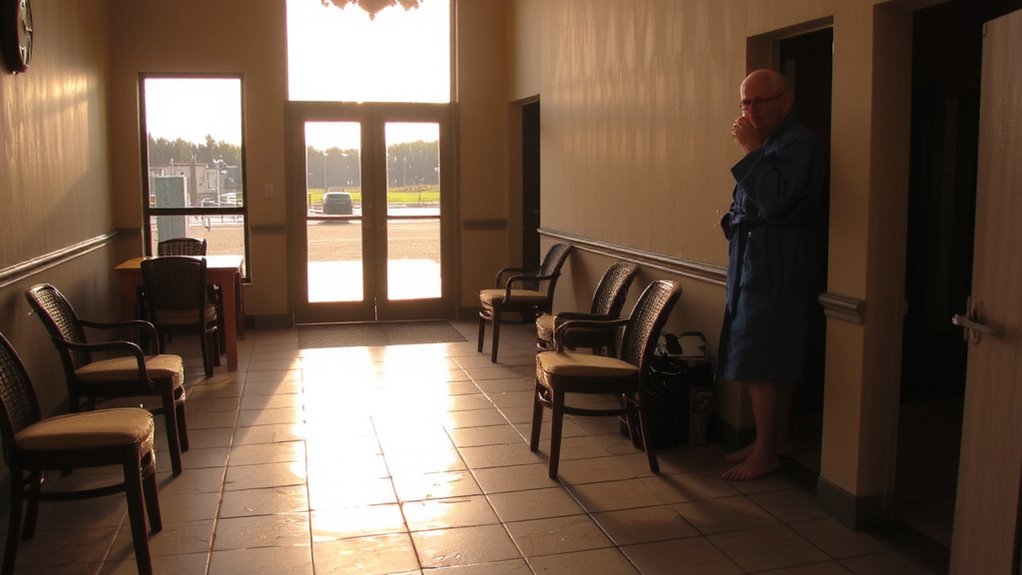
Why are so many retirement residents up and dressed before sunrise, even when they went to bed at a reasonable hour? You might be seeing early fatigue, a key sign of Advanced Sleep Phase Disorder (ASPD). Residents with ASPD often feel tired by early evening, sometimes as early as 6 or 7 p.m., leading them to sleep sooner than desired. This shift means they wake up between 2 and 5 a.m., wide awake and unable to return to sleep. You may also notice social withdrawal, as these residents miss evening activities or meals due to drowsiness. Their internal clock runs on an earlier schedule, affecting daily routines. Spotting these patterns helps differentiate ASPD from insomnia or depression. Keep track of sleep logs and daily behavior. Not all early risers have ASPD, but consistent timing shifts with early fatigue and social withdrawal suggest further assessment. Early identification supports better sleep health.
Apply Light Therapy to Reset Circadian Rhythms
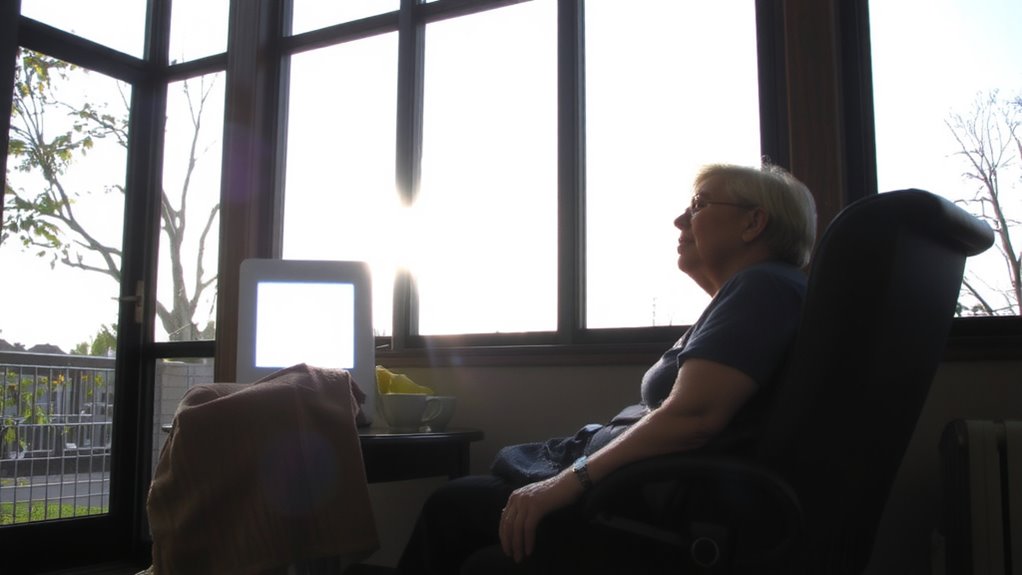
If you’re looking for a non-invasive way to help shift a resident’s internal clock, light therapy could be a practical option. Morning light exposure helps reset circadian rhythms by signaling the brain to reduce melatonin production. You should use a lightbox that emits 10,000 lux for 20–30 minutes shortly after waking. Consistent timing increases effectiveness, especially when aligned with natural daylight patterns. Proper placement-about 16–24 inches from the face, at an angle-ensures adequate light exposure without staring directly at the source. Adjusting melatonin timing can complement this: delaying low-dose melatonin until later in the evening may help. Choose devices with UV filters and a diffused screen for safety and comfort. Most come with a 30- to 90-day trial, so test effectiveness before long-term use. While results vary, many see improvement within two weeks.
Delay Bedtime With Evening Activities and Routines
Using light therapy in the morning can help shift an early sleep pattern, but managing Advanced Sleep Phase Disorder also involves shaping evening habits to gently delay bedtime. You can do this by building calming yet alerting routines after dinner. Evening walks, especially under natural or bright outdoor light, help signal to your body that it’s not time to wind down yet. Even a 20-minute stroll can make a difference over time. Social evenings-like group games, movie nights, or shared meals-also keep your mind engaged and delay drowsiness. These activities don’t need to be intense; consistency matters most. Avoid screens with blue light late at night, as they may disrupt the shift to sleep. Instead, choose low-stimulation social or physical options. With regular timing, these routines support a later, more comfortable bedtime.
Build Individualized Sleep Support Plans for Residents
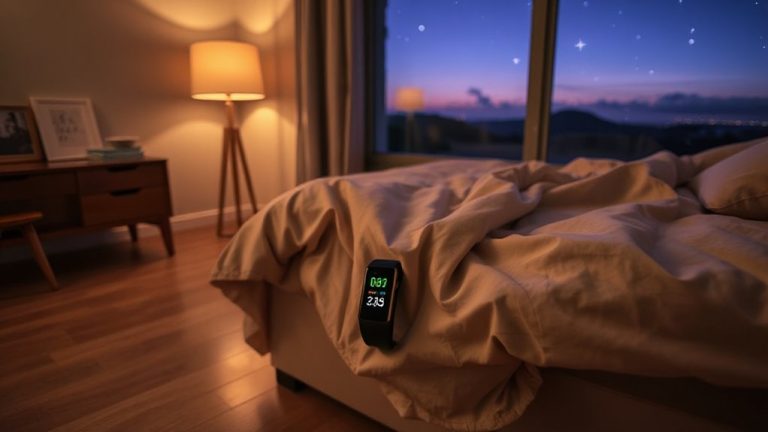
How can you guarantee each resident gets the sleep support they really need? Start by creating individualized sleep plans tailored to their unique patterns and health needs. Use sleep tracking tools-like wrist-worn devices or bed sensors-to collect data over several nights. This helps identify consistent rhythms, disturbances, and early waking trends linked to Advanced Sleep Phase Disorder. Pair this with a thorough medication review to spot any prescriptions that might affect alertness or drowsiness, such as certain antidepressants or blood pressure drugs. Adjust timing or dosage with a physician’s input when needed. These plans should evolve, revisiting tracking data monthly and updating goals. Include non-drug strategies alongside possible sleep aids, weighing benefits and side effects. A personalized approach improves sleep quality while respecting each resident’s medical and lifestyle context. Consider integrating best sleep trackers to enhance accuracy and reliability in monitoring nighttime rest patterns.
Train Staff and Families on Managing ASPD
You’ve already set up personalized sleep plans that respond to each resident’s rhythms and medical background, but those plans work best when everyone involved knows how to support them. Sleep education for staff and families builds consistent routines and strengthens communication strategies across care teams. When everyone understands ASPD’s early sleep and wake times, responses become proactive, not reactive.
| Role | Key Action |
|---|---|
| Nurse | Shares shift notes on sleep changes |
| Family | Reports nighttime observations |
| Aide | Follows lighting and meal timing |
| Coordinator | Hosts monthly sleep education chats |
Clear communication strategies reduce confusion and improve care continuity. Training isn’t one-time-it’s updated as needs shift. With steady sleep education, small adjustments keep residents aligned to their ideal rhythm, improving rest without over-reliance on sleep aids.
On a final note
You can manage ASPD by adjusting light exposure and daily routines. Morning light therapy helps reset circadian rhythms, while evening activities delay early sleepiness. Tailor plans to each resident’s needs, tracking progress over time. Staff and family training guarantees consistent support. These non-drug methods are safe, effective, and low-risk, with most seeing improvements within weeks. Try small changes first, monitor results, and adjust as needed.