How to Use Binaural Beats to Induce Theta Brainwaves for Deep Sleep and Recovery
Use binaural beats between 4–8 Hz to gently guide your brain into theta waves, which support deep relaxation and sleep onset. Listen with noise-canceling headphones 30–60 minutes before bed to block distractions and guarantee accurate frequency delivery. Pair this with dimmed lights and calm breathing for best results. Consistent timing and quality audio improve effectiveness over time. Small adjustments in routine can make a noticeable difference in sleep quality-there’s more to discover about fine-tuning the process.
Notable Insights
- Use binaural beats in the 4–8 Hz range to align with theta brainwaves during light sleep and relaxation.
- Listen with noise-canceling headphones to ensure precise delivery of dual frequencies for brainwave entrainment.
- Start sessions 30–60 minutes before bed for 20–45 minutes to ease into a theta-dominant pre-sleep state.
- Combine beats with dim lighting and deep breathing to enhance melatonin release and relaxation.
- Use high-quality audio tracks to maintain stable 4–6 Hz binaural beats for effective neural synchronization.
Understand Theta Brainwaves and Sleep
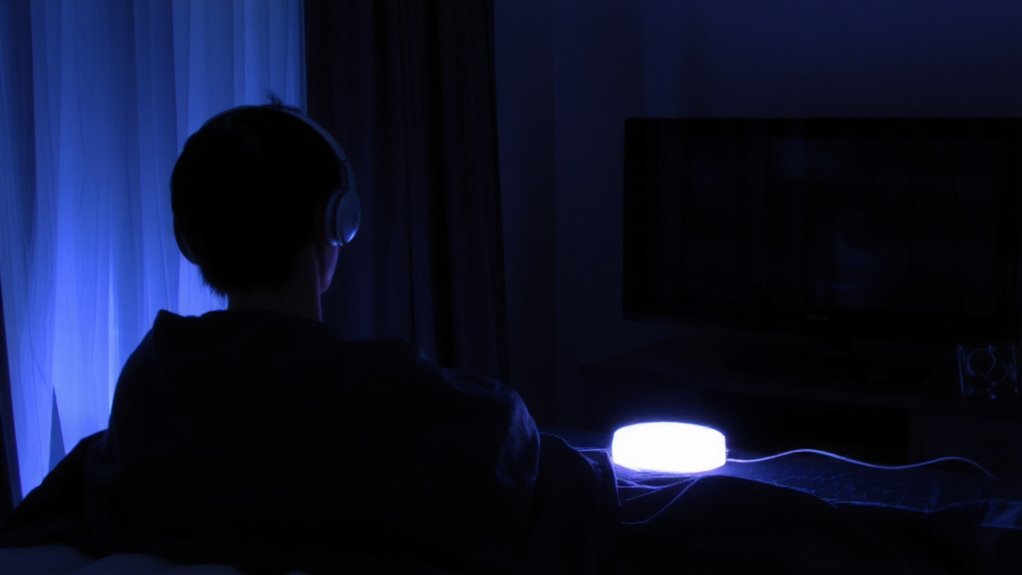
Theta brainwaves, gently pulsing at 4 to 8 hertz, emerge as your body shifts into light sleep and deep relaxation. You’ll start noticing this Theta rhythm just as you drift off-your breathing slows, muscles unwind, and thoughts begin to fade. This phase is key during sleep onset, acting as a bridge between wakefulness and deeper sleep stages. Recognizing theta patterns helps you understand how your brain prepares for restorative rest. If you struggle with falling asleep, tracking these signals might reveal delays in sleep onset, pointing to possible sleep disorders. While no device can diagnose conditions, consumer EEG headbands can monitor theta activity, helping you assess relaxation techniques or sleep aids. Some offer trial periods or warranties, letting you test their performance. Though results vary, consistent theta readings during relaxation suggest your body’s aligning with natural sleep cycles, guiding better decisions about sleep quality and recovery tools.
Use Binaural Beats to Activate Theta Waves
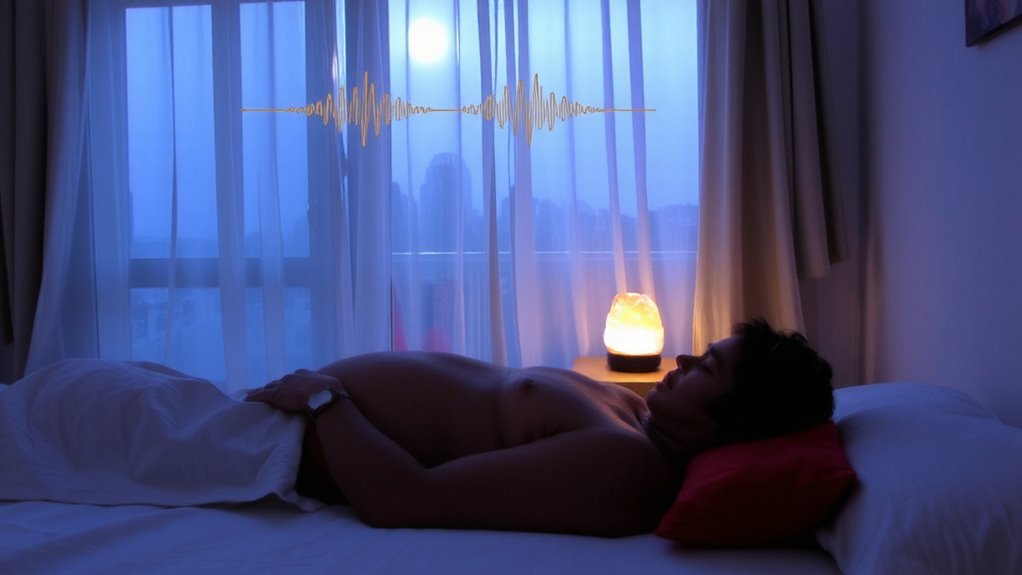
How can you nudge your brain into the calm state needed for sleep? You can use binaural beats to support brainwave entrainment, gently guiding your mind toward theta waves. When you listen with headphones, each ear receives a slightly different frequency, prompting neural synchronization. This alignment helps your brain shift from alert beta waves to relaxed theta states.
| Frequency (Hz) | Effect | Best Use Case |
|---|---|---|
| 4–6 | Deep relaxation | Pre-sleep wind down |
| 6–7 | Meditation | Stress reduction |
| 7–8 | Light theta | Early sleep stages |
| Combined tones | Neural synchronization | Consistent practice |
Regular use may improve sleep onset and quality. Choose high-quality audio with stable tones, ideally from providers offering free trials or satisfaction guarantees. For those exploring sleep aids, binaural beats offer a non-invasive option grounded in brainwave entrainment science.
Use 4–8 Hz Frequencies for Deep Sleep
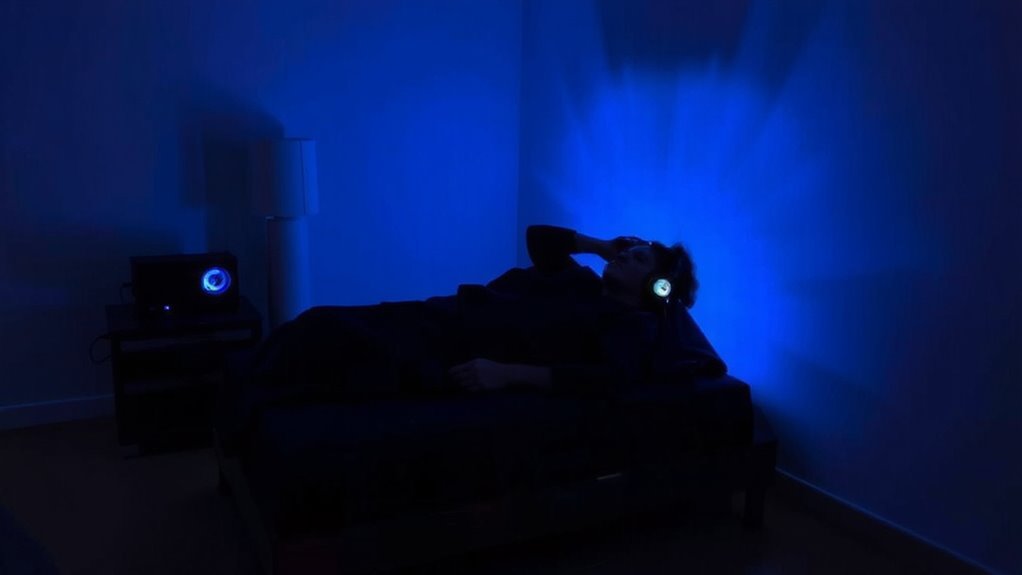
A growing number of sleep researchers suggest targeting the 4–8 Hz frequency range to support deeper, more restorative sleep. You’ll find that 4 Hz entrainment helps guide your brain into the early stages of deep sleep, promoting slower breathing and a calm nervous system. As you move deeper, 8 Hz synchronization supports the shift into sustained theta states, which are linked to healing and mental recovery. These frequencies work together to mirror the brain’s natural nighttime rhythms. Using binaural beats within this range doesn’t require special training-just consistent use. Look for audio tracks that clearly label their Hz output and use high-quality stereo recordings. Most apps and devices offer free trials, so you can test effectiveness before committing. While results vary, many users report improved sleep quality within a week. Always pair frequency use with good sleep hygiene for best results.
Use Noise-Canceling Headphones for Theta Focus
While achieving deep theta focus can depend on several factors, using noise-canceling headphones greatly improves your chances by blocking disruptive ambient sounds. You’ll get better sound isolation, which helps maintain the steady 4–8 Hz binaural beat signal your brain needs. This means less interference from things like traffic, roommates, or household noise. Plus, good noise-canceling headphones deliver sharper audio clarity, so the subtle frequency differences between your ears stay precise. That accuracy matters-it’s what prompts your brain to sync into theta waves. Over-ear models with active noise cancellation tend to perform better than in-ear ones for extended sessions. Look for padded comfort and breathable materials, especially if you sleep with them. Many brands offer trial periods, so test for fit and performance. A solid warranty also helps protect your investment. Choosing the right pair supports consistent results without forcing extra effort on your part.
Build a Bedtime Routine With Theta Binaural Beats
You’ve already considered how noise-canceling headphones help shield your focus and support theta wave alignment by blocking out distractions. Now, build a consistent bedtime routine that pairs theta binaural beats with proven sleep hygiene and relaxation techniques. Start your wind-down 30–60 minutes before bed, dimming lights and playing theta beats at low volume. Combine this with deep breathing or gentle stretching to signal your body it’s time to rest. Consistency strengthens your circadian rhythm and improves sleep depth over time. For side sleepers, choosing comfortable earbuds can make a significant difference in maintaining uninterrupted playback, so consider trying best earbuds for side sleepers designed to stay secure and minimize pressure during sleep.
| Activity | Time Before Bed | Purpose |
|---|---|---|
| Dim lights | 60 min | Boost melatonin production |
| Play theta beats | 30 min | Encourage theta brainwave state |
| Practice deep breathing | 15 min | Activate relaxation techniques |
This structure supports recovery, enhances sleep quality, and fits easily into nightly routines.
Avoid These Binaural Beat Mistakes
Why do some people feel let down after trying binaural beats for sleep? Often, it’s due to common mistakes that reduce effectiveness. You might be using tracks with incorrect frequency pairing, which fails to stimulate theta brainwaves needed for deep rest. Stick to frequencies between 4–8 Hz for sleep support. Also, poor audio quality can interfere with binaural beat performance-low-bitrate files may distort the intended signal, making it harder for your brain to synchronize. Always choose high-quality, lossless audio from reputable sources. Don’t use speakers; binaural beats require headphones to deliver separate tones to each ear. Avoid sessions that are too loud or too short, as both limit results. Start with guided trials from trusted providers, and check return policies if results don’t meet expectations. These steps improve your chances of a helpful, restful experience.
Time Your Sessions for Maximum Sleep Benefits
Since your brain’s responsiveness to binaural beats depends on timing, scheduling sessions at the right moment can make a noticeable difference in sleep quality. The best time to use binaural beats is 30 to 60 minutes before bed, when your brain starts winding down. This prepares your mind to enter theta brainwave states naturally. Keeping your session length between 20 and 45 minutes works well-long enough to shift brain activity, but not so long it disrupts your routine. Use them consistently at night, not during daytime naps, unless you’re testing response. Avoid long sessions that might interfere with sleep cycles. Evening use supports relaxation, especially if you struggle with falling asleep. You’ll want to adjust timing based on how you feel over a few nights. This gentle, timed approach fits easily into most sleep hygiene practices, offering a practical option among sleep aids.
On a final note
You can use binaural beats to support theta brainwave activity, especially between 4–8 Hz, which aligns with deep relaxation and restorative sleep. Pair the audio with noise-canceling headphones and a consistent bedtime routine for best results. While not a standalone fix for sleep disorders, it’s a non-invasive tool worth a two-week trial. Check device compatibility and warranty terms before buying.