The Benefits of Using Valerian for Sleep in People With Arthritis
You might find it easier to sleep with valerian, even if arthritis pain keeps you up. It calms your nervous system, may reduce how intensely you feel discomfort, and promotes deeper rest without next-day grogginess. While it’s not a painkiller, regular use in 300–600 mg doses before bed could help over time. It works best when combined with good sleep habits and a supportive mattress. Be sure to check with your doctor if you’re on other medications. You’ll want to know how long it takes and which form works best for your routine.
Notable Insights
- Valerian may improve sleep quality in people with arthritis by promoting relaxation through GABA receptor interaction.
- It can help reduce nighttime restlessness and awakenings linked to joint pain and inflammation.
- Regular use may lower the perception of pain by calming the nervous system, aiding sleep onset.
- Unlike some sleep aids, valerian typically doesn’t cause morning grogginess, supporting clearer daytime function.
- Benefits often appear within a few nights to weeks, especially when using standardized 0.8% valerenic acid supplements.
Why Arthritis Makes Sleep So Difficult

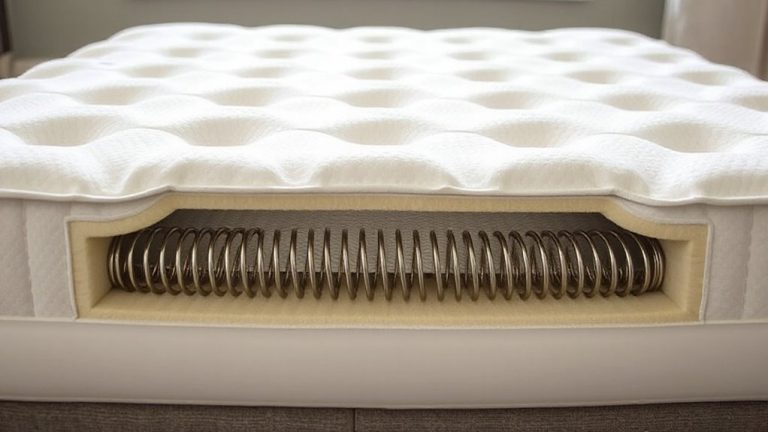
While your body tries to rest, arthritis can turn night into a cycle of discomfort and interrupted sleep. Joint inflammation often worsens at night, making it hard to find a comfortable position. Your movements may be limited, and even slight shifts can trigger pain. Chronic discomfort doesn’t just delay falling asleep-it can wake you mid-cycle, reducing sleep quality. Poor sleep then lowers pain tolerance, creating a feedback loop that’s tough to break. You might notice stiffness in the morning or fatigue during the day, signs your rest isn’t restorative. Over-the-counter aids offer relief for some, but long-term use carries risks. Non-drug strategies like consistent sleep schedules or supportive bedding can help manage symptoms. Addressing sleep issues early improves daily function. Understanding how joint inflammation and chronic discomfort affect rest helps you make informed choices about treatments and sleep aids. A supportive mattress can significantly reduce nighttime pain for arthritis sufferers, with top models offering targeted pressure relief and spinal alignment through features like zoned support and adaptive foam-consider exploring the best mattresses for arthritis relief for options tailored to your needs.
Can Valerian Reduce Arthritis Pain and Improve Sleep?

You’ve probably tried adjusting your sleep routine or tested over-the-counter aids to ease the nighttime discomfort of arthritis, but if the pain and restlessness still interfere with your rest, you might be looking for alternatives that support both sleep and comfort. Valerian is traditionally used for sleep support and may offer additional benefits like mood enhancement and cognitive support over time. While it’s not a painkiller, some users report reduced discomfort perception, possibly due to improved relaxation. Consider how these effects might influence both sleep quality and daily function.
| Benefit | How It Helps | Considerations |
|---|---|---|
| Sleep onset | May help you fall asleep faster | Effects can take 2–4 weeks |
| Mood enhancement | Supports calmness and balance | Mild effect; not a antidepressant |
| Pain perception | Indirectly reduced via relaxation | Not a substitute for pain meds |
| Cognitive support | Better sleep aids mental clarity | Long-term use needs monitoring |
| Safety | Generally well-tolerated | Possible drowsiness the next morning |
How Valerian Helps Arthritis Patients Sleep Better

Since sleep disturbances from arthritis often stem from both pain and tension, valerian may help by targeting the nervous system to quiet nighttime arousal, making it easier to drift off. You likely struggle with restlessness or discomfort that keeps you awake, and valerian promotes natural sedation without the grogginess common with prescription sleep aids. Its compounds interact with GABA receptors, which helps calm overactive nerves. This supports muscle relaxation, reducing the stiffness that often worsens at night. When your muscles are less tense, joint pressure may decrease, helping you stay asleep longer. Unlike stronger sedatives, valerian’s effects are mild, so you can try it with lower risk of dependency. Many users report better sleep quality within a few nights. You’ll want to track your sleep patterns during the first two weeks to see how well it works for you, adjusting timing or dose if needed.
Best Valerian Supplements for Arthritis-Related Insomnia
If you’re looking for a natural way to ease into sleep when arthritis pain makes rest hard to find, choosing the right valerian supplement can make a meaningful difference. You’ll find several formulation types, like capsules, teas, tinctures, and soft gels-each with different absorption rates. Capsules and gels offer precise dosing, while tinctures act faster due to quicker absorption. For arthritis-related insomnia, consistent dosage timing matters: take your supplement 30 to 60 minutes before bed so it aligns with your body’s wind-down phase. Start with a low dose, such as 300 mg, and adjust only if needed after a few nights. Look for products standardized to 0.8% valerenic acid, a key compound. Reputable brands often provide clear labeling, third-party testing, and satisfaction guarantees, helping you try options with less risk.
Using Valerian Safely With Arthritis Medications
Valerian can help improve sleep when arthritis pain interferes with rest, but it’s important to take into account how it interacts with medications you may already be taking. You should always check for possible drug interactions, especially if you’re using anti-inflammatory drugs, blood thinners, or sedatives, since valerian may increase their effects. Talk to your doctor before starting valerian to guarantee dosage safety and avoid complications. Most supplements suggest 300–600 mg taken about 30 minutes to two hours before bedtime, but your needs may vary. Don’t combine valerian with alcohol or other sleep aids unless approved by a healthcare provider. Starting with a lower dose helps gauge your body’s response and reduces risk of drowsiness or upset stomach. Always read labels carefully and choose reputable brands that offer clear ingredient and dosing details.
What Valerian Can: And Can’t: Do for Arthritis Sleep
What can you really expect from valerian when sleep slips away because of arthritis pain? Valerian may help you fall asleep faster and improve sleep quality, but it won’t reduce joint inflammation or cure chronic insomnia. It works best when combined with good sleep habits and consistent timing. Here’s what valerian can and can’t do:
| Benefit | Can Do | Can’t Do |
|---|---|---|
| Sleep Onset | Shortens time to fall asleep | Eliminate nighttime pain entirely |
| Sleep Quality | Enhances deep sleep phases | Replace prescribed pain meds |
| Use Over Time | Possible short-term relief | Proven safe for long term effects |
| Routine Support | Works with dosage consistency | Compensate for irregular intake |
Stick to steady dosing for best results. The long term effects remain unclear, so monitor your response. Dosage consistency increases reliability-but don’t expect miracles.
On a final note
You might find valerian helps ease sleep troubles linked to arthritis, especially if pain disrupts your rest. It won’t fix joint damage or replace medications, but it may support relaxation and help you fall asleep faster. Look for standardized extracts with clear dosing, and check with your doctor before starting, since it can interact with some arthritis drugs. A short trial, paired with good sleep habits, can show if it works for you-many find modest benefits with minimal side effects when used carefully.