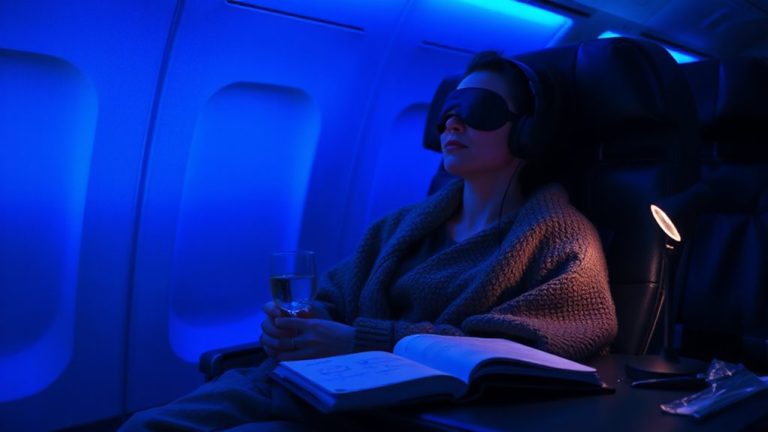
Chronobiology 101: A Beginner’s Guide to Understanding Your Body Clock Mechanisms
Your body clock, or circadian rhythm, runs on a 24-hour cycle influenced by light, genes, and hormones like melatonin. The brain’s SCN uses morning light to boost alertness and evening darkness to prompt sleep. Melatonin rises around 9 p.m., peaks overnight, and fades by morning. Shift work, screens, or travel can throw it off. Staying synced means consistent sleep times, natural light exposure, and limiting evening light. Small changes improve sleep quality and energy-there’s more to discover about fine-tuning your rhythm.
Notable Insights
- Your body clock, or circadian rhythm, regulates sleep, hormones, and body temperature in a 24-hour cycle.
- The suprachiasmatic nucleus (SCN) in the brain uses light cues to synchronize your internal clock with the environment.
- Morning sunlight resets your body clock, while evening screen light delays sleep by suppressing melatonin.
- Melatonin, released at night, promotes sleep, with levels peaking between 2 a.m. and 4 a.m.
- Consistent sleep times, natural light exposure, and limited nighttime light help align your body clock for better health.
What Is Your Body Clock?
Your body clock is a built-in system that helps control when you feel awake or sleepy over a 24-hour period. This rhythm, called your circadian rhythm, runs in the background to manage essential functions like body temperature, hormone release, and digestion. It’s shaped by both genetic predisposition and environmental cues. You’re born with a natural tendency to be an early riser or night owl, thanks to your genes. But light, food, and social routines also influence your cycle. Morning light, for example, signals your brain to wake up, while darkness at night encourages sleep. Respecting this balance supports better sleep and overall health. If sleep issues arise, consider whether your habits align with your biology. Tracking patterns can guide choices about sleep aids or professional care. Consistency and awareness improve long-term outcomes.
What Controls Your Body Clock?
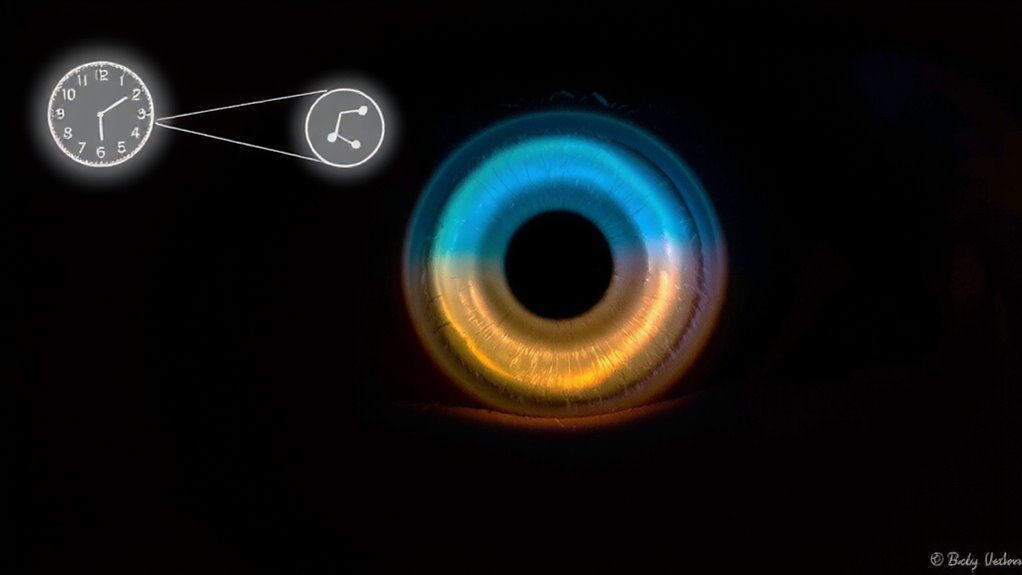
A small region in the brain’s hypothalamus acts as the master controller for your body clock, responding to light and dark signals from the outside world. This area, called the suprachiasmatic nucleus, uses neural pathways to send timing signals to other parts of your brain and body. These signals help regulate when you feel awake or tired. Genetic factors also play a key role-some people inherit a tendency for earlier or later sleep patterns. These natural differences can affect how well you adapt to shift work or late-night schedules. Understanding your body’s internal control mechanisms helps you make informed choices about sleep timing and habits. It can also clarify whether a sleep disorder might need professional evaluation. Sleep aids may help in some cases, but they’re not always needed if your routines align with your body’s built-in rhythms.
How Light Sets Your Circadian Rhythm

What keeps your body in sync with the rising and setting sun? It’s light exposure-especially morning sunlight-that resets your internal clock daily. Your brain’s suprachiasmatic nucleus responds to light cues, aligning your rhythm with the day. Too much artificial lighting at night, like from screens or LEDs, can delay this signal, making it harder to fall asleep. To stay aligned, aim for bright light early in the day and reduce artificial lighting in the evening.
| Time of Day | Light Type | Effect on Rhythm |
|---|---|---|
| Morning | Natural sunlight | Resets clock, boosts alertness |
| Evening | Artificial lighting | Suppresses natural signals |
| Night | Screen light | Delays sleep onset |
Managing light exposure helps maintain consistent sleep patterns and supports long-term sleep health.
When Hormones Like Melatonin Rise and Fall
Though your body’s internal clock runs on its own, it relies on hormonal shifts to signal when it’s time to sleep or wake. You start producing melatonin in the evening as light fades, and your melatonin release patterns follow a predictable nightly rise, typically beginning around 9 p.m. This hormone helps ease you into rest, peaking between 2 a.m. and 4 a.m. Then, levels drop naturally in the early morning hours, aligning with sunrise. The hormone fluctuation timing is key-your body expects consistency. If you’re struggling to fall asleep, understanding these rhythms can guide better choices. Some people find timed melatonin supplements helpful, especially if backed by evidence and used short-term. Look for products with clear labeling, proper dosage (usually 0.5–3 mg), and third-party testing. While not a long-term fix, they may support alignment when used wisely. For those considering supplementation, choosing a third-party tested product can ensure purity and accuracy in dosage.
What Disrupts Your Body Clock?
Because your body clock relies on consistent environmental and behavioral cues, even small changes can throw off its timing, affecting how well you sleep and feel during the day. Shift work forces you to stay awake or sleep at unusual times, confusing your internal clock and often leading to poor sleep quality or daytime fatigue. Similarly, jet lag occurs when you travel across time zones, leaving your body out of sync with local light and dark cycles. Both disrupt melatonin release and body temperature rhythms, making it harder to focus or rest. You might feel groggy or have trouble falling asleep at the right time. These disruptions don’t last forever, but repeated exposure can lead to longer-term sleep issues. Recognizing these triggers helps you make informed choices about adjusting sleep schedules, managing exposure to light, or considering short-term sleep aids if needed. A supportive sleep environment, including the right best beds for memory foam mattresses, can also promote more restful and consistent sleep.
How to Sync Your Life to Your Body Clock
You’ve likely felt the effects when your body clock falls out of alignment, whether from late-night shifts or crossing time zones. To sync your life to your body clock, start by aligning your sleep schedule with natural light patterns-go to bed and wake up at consistent times, even on weekends. Adjusting your social timing helps too; try to plan gatherings and obligations during your peak alertness hours, usually mid-morning to early evening. Your meal patterns matter just as much-eating meals at regular times each day supports metabolic rhythms and improves sleep quality. Avoid heavy meals or caffeine late at night. Exposure to morning sunlight strengthens circadian signals, while reducing screen time before bed minimizes blue light disruption. Small, consistent changes in sleep, social timing, and meal patterns can enhance energy, mood, and overall health over time.
On a final note
You can support your body clock by aligning your daily routine with natural light, limiting screen time at night, and maintaining consistent sleep and wake times-even on weekends. If you struggle with sleep, consider behavioral changes before turning to sleep aids, and consult a professional if problems persist. Many sleep aids offer short-term relief but come with side effects or dependency risks. Look for products with clear labeling, trial periods, or medical backing when needed.