The Impact of Evening Light Exposure on Melatonin and Inflammatory Cytokine Levels
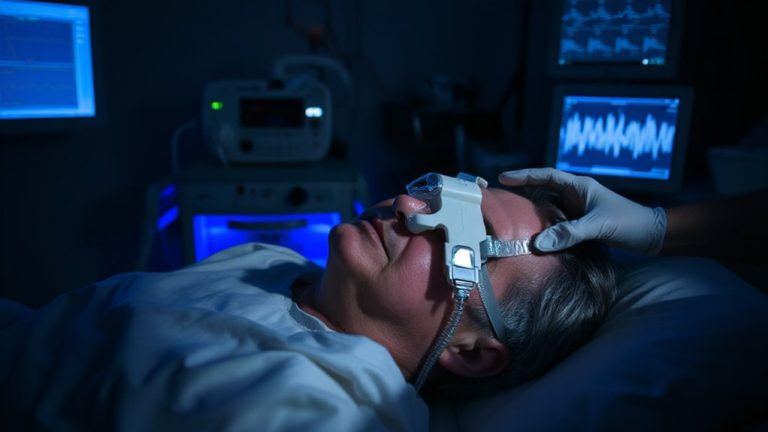
Evening light, especially blue-rich light from screens and bulbs, suppresses your melatonin and delays sleep onset. This circadian disruption reduces melatonin’s anti-inflammatory effects, letting pro-inflammatory cytokines rise over time. Chronic exposure may raise long-term risks like insulin resistance. Switching to warm (2700K or lower) or red-toned lighting after dark supports natural melatonin release. Limiting screen use 1–2 hours before bed improves sleep quality and alignment-small changes that make a measurable difference with consistent use. More details follow on optimizing light for rest and health.
Notable Insights
- Evening blue-rich light exposure suppresses melatonin, delaying sleep onset and disrupting circadian rhythms.
- Reduced melatonin from light at night impairs immune regulation and increases pro-inflammatory cytokine production.
- Circadian misalignment due to evening light contributes to chronic inflammation linked to diabetes and heart disease.
- Warm or red-toned lighting minimally suppresses melatonin and supports healthier sleep physiology.
- Limiting screen use and switching to dim, warm lights 1–2 hours before bed improves sleep and reduces inflammation.
How Nighttime Light Blocks Your Sleep Hormone
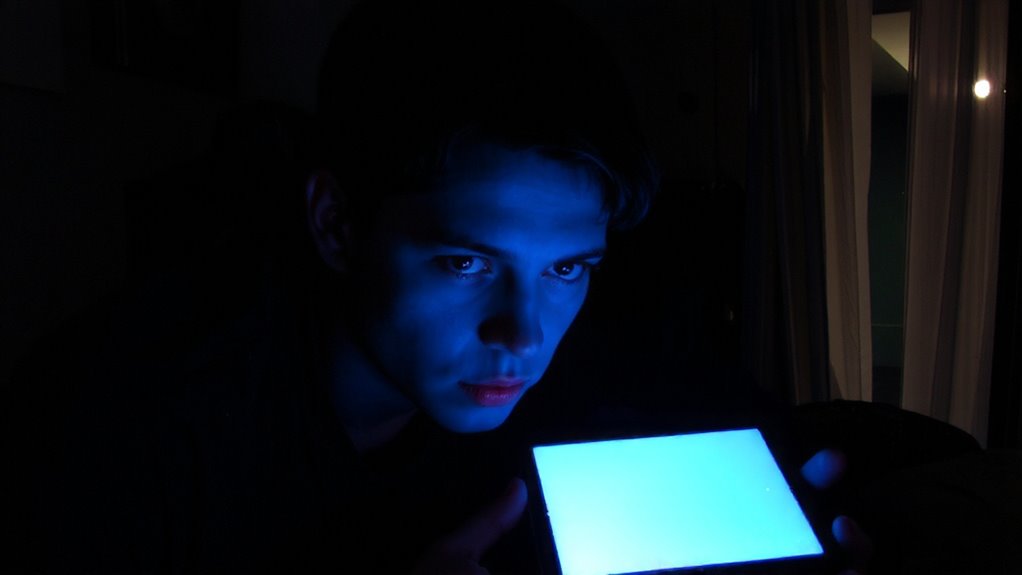
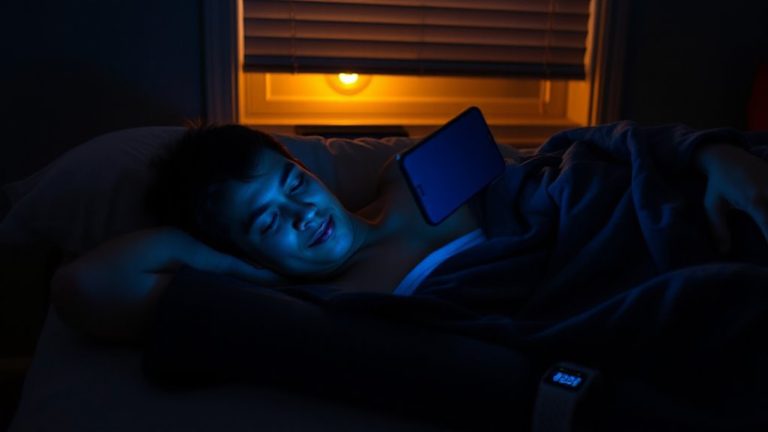
While your body naturally prepares for sleep by releasing melatonin in the evening, exposure to bright or blue-rich light at night can delay that process, especially from screens or overhead lighting. This kind of light exposure causes circadian disruption, tricking your brain into thinking it’s still daytime. As a result, melatonin production drops, making it harder to fall asleep. Poor timing of light can reduce overall sleep quality, leaving you less rested. You might not realize how much late-night screen use affects your cycle until you adjust it. Dimming lights and switching to warmer bulbs in the evening supports natural rhythms. Some wear blue-light-blocking glasses, while others use screen filters with timers. Devices like sleep-tracking wearables can help monitor changes. Short-term trials of these tools often show better sleep quality within a week. Check for return policies if testing new products. For those sensitive to screen light, trying best blue light glasses may help reduce migraine triggers and support better sleep.
Why Light at Night Fuels Inflammation
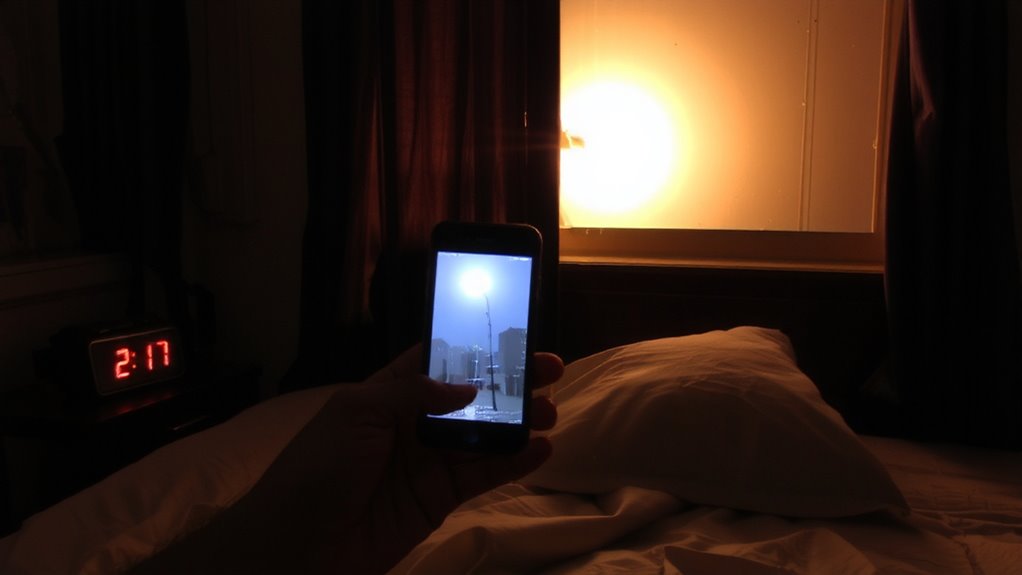
Light at night doesn’t just interfere with your sleep cycle-it can also trigger a chain reaction that increases inflammation in your body. When you’re exposed to light after dusk, it causes circadian disruption, throwing off the natural timing of biological processes. This misalignment lowers melatonin, which normally helps regulate immune responses. With less melatonin, your body produces more pro-inflammatory cytokines. Over time, this contributes to chronic inflammation, linked to conditions like heart disease and diabetes. Circadian disruption also leads to metabolic dysregulation, affecting insulin sensitivity and fat metabolism, further fueling inflammatory pathways. You might not notice it at first, but consistent nighttime light exposure subtly shifts how your body handles energy and immune function. Reducing light during evening hours-especially from screens and bright overhead lights-supports healthier rhythms. Small changes, like dimming lights or using blackout curtains, can make a measurable difference in your long-term health. Upgrading to insulated blackout curtains can significantly enhance light blockage and thermal efficiency, improving sleep quality and circadian alignment.
Blue Light at Night vs. Warm Light: Which Is Worse?
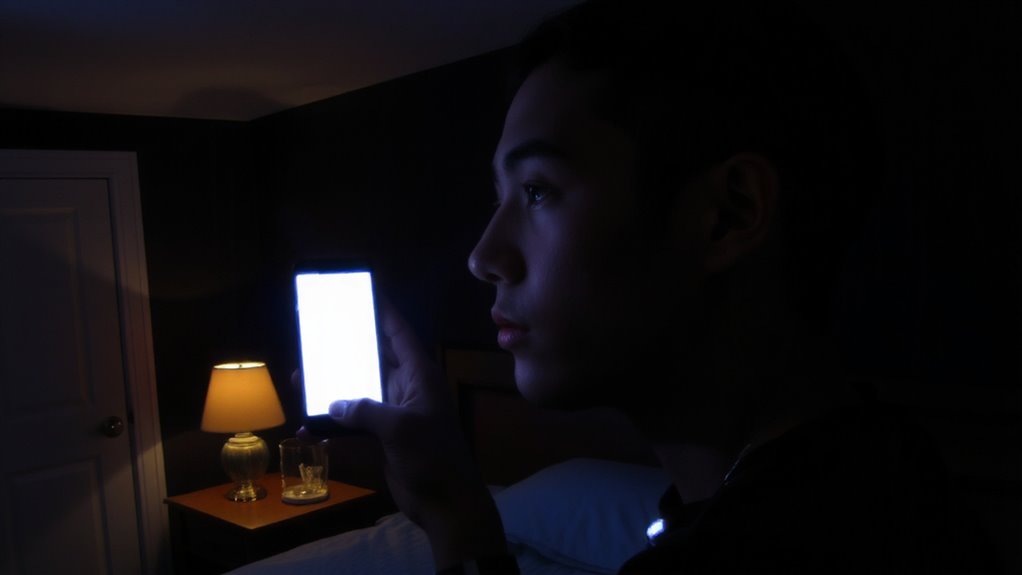
What if the color of your evening light is quietly shaping your sleep and health? Blue light at night affects you more than warm light because of your eyes’ retinal sensitivity to shorter wavelengths. This sensitivity tricks your brain into thinking it’s still daytime, increasing circadian disruption and suppressing melatonin longer. Warm light, with fewer blue tones, causes less interference, supporting a smoother shift to sleep. If you struggle with sleep onset or poor sleep quality, adjusting your lighting may help. Consider using bulbs labeled 2700K or lower in the evening-they mimic sunset tones and reduce physiological strain. Some lamps even offer adjustable color settings, letting you test options over time. Look for products with trial periods so you can assess real-world performance. Small changes in light color can support better sleep hygiene without requiring costly sleep aids. For targeted protection, consider wearing orange and blue light-blocking glasses designed to filter harmful wavelengths during evening screen use.
Why Late Screens Throw Off Your Sleep Schedule
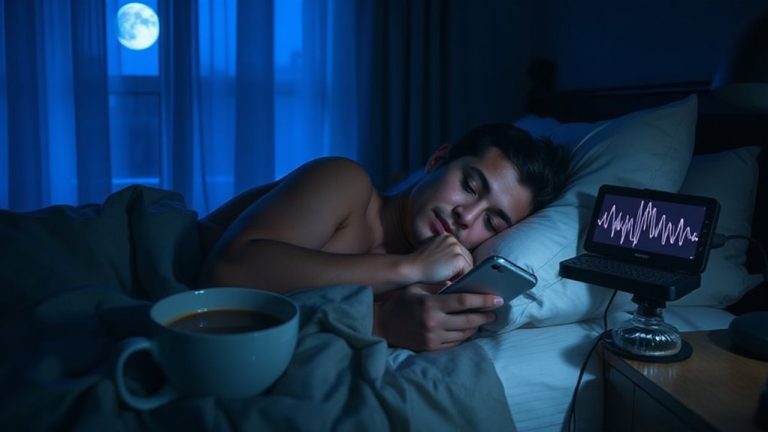
You’re likely exposing yourself to more blue light than you realize simply by scrolling through your phone or watching shows before bed. This light tricks your brain into thinking it’s still daytime, delaying melatonin release and causing sleep disruption. Over time, that delay leads to circadian misalignment, where your body’s internal clock falls out of sync with natural light and dark cycles. This misalignment doesn’t just make it harder to fall asleep-it can reduce sleep quality and affect how you feel the next day. You might feel groggy or unfocused, even after several hours in bed. While some sleep aids may help temporarily, they don’t fix the root issue. Adjusting screen use in the evening offers a more effective, long-term solution. Your sleep health improves when you align habits with your body’s natural rhythms, supporting both rest and recovery without relying on external fixes.
Use Dim Red Lights and Limit Screens After Sunset
Though most evening lighting seems harmless, the type and brightness you choose after sunset can greatly affect your sleep cycle. Your body produces melatonin in darkness, but blue and white light from lamps and screens can delay that, disrupting sleep onset and quality. Red lighting, however, has less impact on melatonin suppression, making it a better choice for nighttime use. Using dim red lighting in bedrooms or hallways helps maintain natural circadian rhythms. Likewise, setting screen curfews-turning off phones, tablets, and TVs one to two hours before bed-reduces exposure to sleep-disrupting light. These changes don’t require costly tools; many devices offer night modes or red-tone filters you can schedule. While results may vary, consistent use over a week often shows improved sleep onset and reduced nighttime wakefulness. It’s a simple, low-risk strategy worth trying, often with noticeable benefits.
On a final note
You can protect your sleep by reducing evening light exposure, especially blue light from screens. Dim red lights are less disruptive to melatonin than bright or blue-rich light. Lowering light intensity after sunset helps maintain natural sleep rhythms and may reduce inflammation linked to poor sleep. Consider using warm lighting, screen filters, or blue-blocking glasses. Test changes for at least a week to gauge effects. Many sleep aids offer trial periods, so compare options before deciding.