Innerspring Mattress Firmness Levels: How to Match Your Sleeping Position
Your sleeping position shapes the firmness you need for proper spine alignment on an innerspring mattress. Side sleepers benefit from softer feels that cushion shoulders, while back sleepers often do best with medium firmness for balanced support. Stomach sleepers usually need firmer coils to prevent hip sinkage and maintain spinal balance. Your weight also matters-lighter individuals may prefer softer coils, whereas heavier ones need firmer support. Consider trial periods and coil quality as you weigh these factors.
Notable Insights
- Side sleepers benefit from softer innerspring mattresses to cushion shoulders and maintain spine alignment.
- Back sleepers should choose medium-firm firmness for balanced support and proper head-to-hip alignment.
- Stomach sleepers need firm innerspring support to prevent hip sinkage and avoid lower back strain.
- Lightweight individuals (under 130 lbs) suit softer coils that contour without over-sinking.
- Heavier individuals (over 230 lbs) require firmer coils to prevent sagging and ensure spinal support.
How Firmness Affects Spine Alignment and Comfort
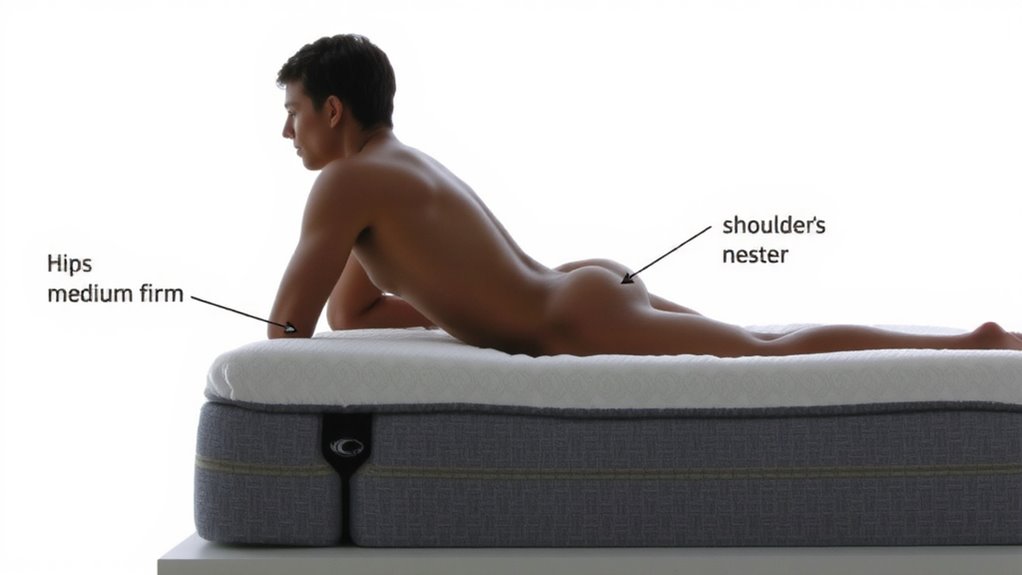
While your ideal mattress may seem like a matter of personal preference, the firmness level you choose plays a measurable role in how well your spine stays aligned during sleep. If it’s too soft, your hips and shoulders sink too deeply, straining your back. If too firm, pressure builds up at key points, reducing comfort and disrupting rest. Proper pressure distribution helps your body relax evenly, especially along the spine’s natural curve. Support balance guarantees your mattress holds you up without sacrificing cushioning where you need it. Innerspring models vary widely-some offer reinforced coils for stability, others pair springs with thin comfort layers that affect resilience. A medium-firm option often provides the best trade-off, promoting alignment while adapting slightly to body contours. Check if the brand offers a sleep trial or warranty, so you can test firmness risk-free. Your posture and comfort depend on this balance, not just personal taste. A good night’s sleep also depends on having the right budget down sleeping bags for camping or travel, ensuring warmth and comfort away from home.
Why Side Sleepers Need Softer Innerspring Mattresses

Why do side sleepers often wake up with shoulder or hip pain? Too-firm mattresses can’t offer enough pressure relief, forcing your joints to bear excess weight. You need a softer innerspring model that contours to your curves, improving shoulder alignment and reducing discomfort. A well-designed soft to medium-soft innerspring pairs pocketed coils with foam or pillow tops for targeted support and cushioning.
| Firmness Level | Pressure Relief | Shoulder Alignment |
|---|---|---|
| Very Firm | Low | Poor |
| Firm | Moderate | Fair |
| Medium-Soft | High | Good |
| Soft | Very High | Very Good |
| Ultra-Soft | Maximum | Excellent |
Look for models with at least a 10-year warranty and a sleep trial of 100 nights. These features let you test pressure relief and alignment in your own home, helping you make a confident, informed choice without risk.
How Medium Firmness Helps Back Sleepers Stay Aligned
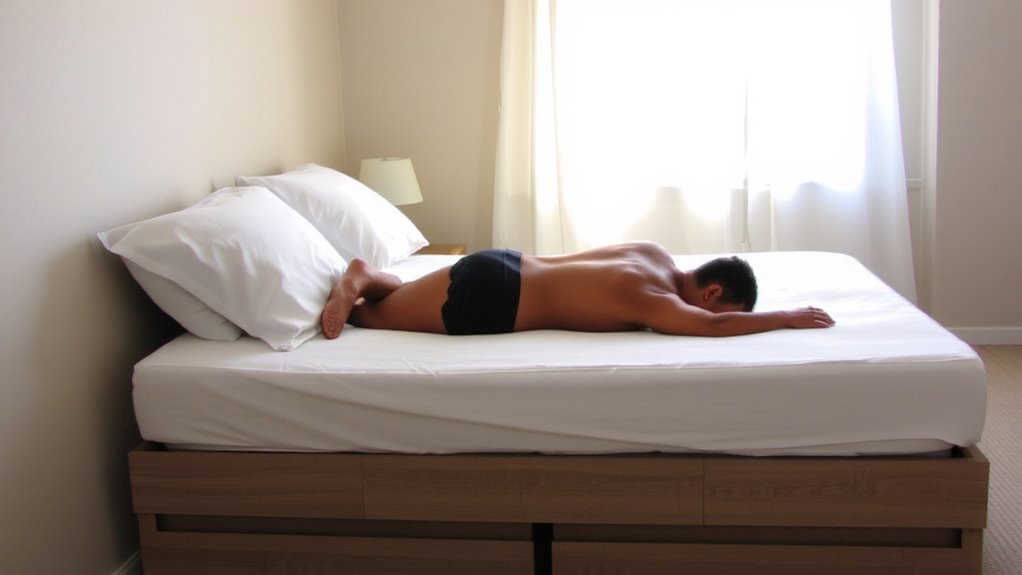
A medium-firm innerspring mattress offers the balanced support your spine needs when sleeping on your back. It keeps your head, shoulders, and hips aligned, reducing strain and helping prevent discomfort. The firmness provides enough pushback to maintain posture, while still offering pressure relief where your lower back and pelvis need it. You’ll notice less stiffness in the morning, especially if you’ve had alignment issues before. Innerspring coils with a comfort layer work together to cushion key areas without sinking too deeply. Motion isolation is modest-better than firmer models but not as strong as all-foam beds-so nighttime movements from a partner may be slightly felt. Look for models with trial periods and warranties to test long-term support. This balance makes medium firmness a reliable, practical choice for back sleepers seeking consistent spinal alignment and restful sleep. Back sleepers with chronic discomfort may benefit significantly from best mattresses for back sleepers.
Why Stomach Sleepers Need Firm Innerspring Mattresses
Stomach sleepers face unique challenges when it comes to spinal alignment, and that’s where a firm innerspring mattress makes a real difference. When you sleep on your stomach, your hips and lower torso sink too deeply into softer surfaces, which can tilt your spine out of position. A firm innerspring offers strong support to keep your body level, reducing strain on your back and neck. Proper pressure distribution helps prevent soreness by evenly spreading your weight. The coil system also enhances motion isolation, meaning if your partner moves, you’re less likely to feel it. Look for models with tempered steel coils and a reinforced edge for durability. Many brands offer sleep trials and warranties, so test one risk-free. You’ll want something supportive yet comfortable enough to promote uninterrupted rest. Firm doesn’t have to mean uncomfortable-it means better alignment.
How Weight Changes Your Ideal Innerspring Firmness
While your body weight plays a key role in how a mattress supports you, it’s especially important when choosing the right firmness in an innerspring model. If you weigh under 130 pounds, a softer innerspring helps maintain proper spinal support by contouring to your curves without excessive sinkage. For those between 130 and 230 pounds, a medium to medium-firm feel usually offers the best pressure distribution and alignment. Heavier individuals, over 230 pounds, often need a firmer coil system to prevent over-sagging and maintain long-term spinal support. Stronger innersprings with tighter coil counts or thicker gauges provide better durability and weight dispersion. These models improve pressure distribution by reducing localized stress on hips and shoulders. Always check warranty length and trial periods-longer coverage often reflects confidence in support performance. Firmness should balance your weight and sleep position for consistent, restful nights.
On a final note
You’ll sleep better when your innerspring mattress matches both your weight and sleep position. Side sleepers usually need softer support to cushion shoulders and hips, while stomach sleepers often need firmness to prevent spine strain. Back sleepers typically do well with medium firmness. Innerspring coils offer durability and airflow, but pair them with comfort layers that suit your body. Check trial periods and warranties before buying-testing guarantees you make a practical, lasting choice.