The Benefits of a 10-Minute Evening Walk for Improving Sleep Quality and Joint Mobility
A 10-minute evening walk helps you fall asleep faster by lowering cortisol and cooling your core body temperature, which signals your brain that it’s time to rest. It loosens stiff hips, knees, and lower back from sitting all day, improving mobility. The gentle rhythm calms your mind without straining your body. Unlike sleep aids, it builds no dependency. You can do it almost anywhere, anytime-rain or shine-and simple indoor moves work too if you keep going.
Notable Insights
- A 10-minute evening walk supports better sleep by naturally lowering cortisol and signaling the body to prepare for rest.
- Rhythmic walking calms the mind, reduces mental chatter, and promotes relaxation without dependency on sleep aids.
- Light activity improves joint mobility by increasing blood flow and reducing stiffness in hips, knees, and lower back.
- The post-walk drop in body temperature helps trigger melatonin release and aligns with circadian rhythm for easier sleep onset.
- Walking 60–90 minutes before bed, especially with evening light, enhances sleep quality and can be done indoors if needed.
Why a 10-Minute Evening Walk Beats Long Workouts for Sleep
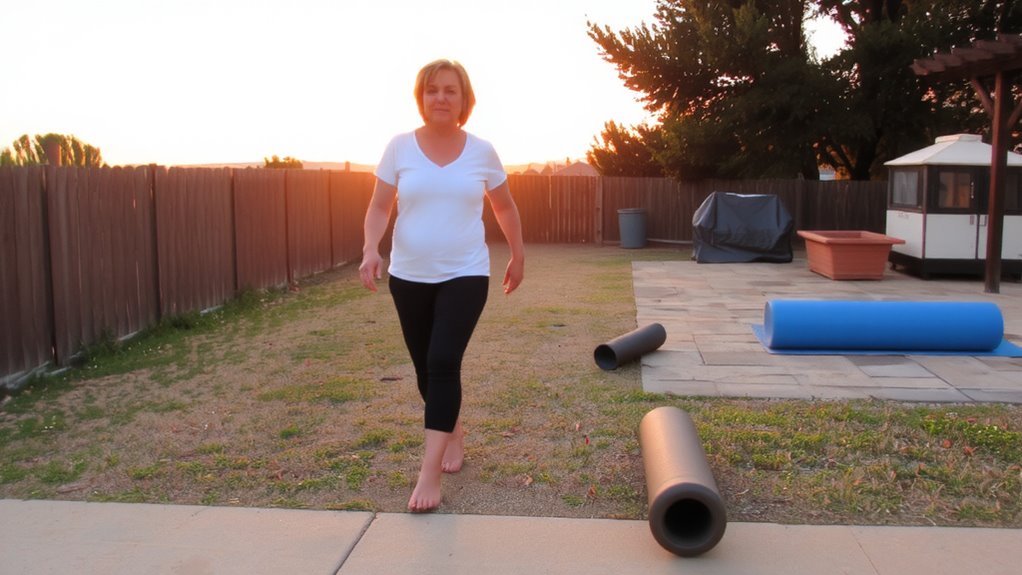
Why spend an hour sweating when ten minutes outside might do more for your sleep? You’re not alone if you’ve struggled with falling or staying asleep. A short evening walk helps shape better sleep architecture by gently signaling your body that it’s time to wind down. Unlike intense workouts, which can spike cortisol, this light activity supports cortisol reduction, easing mental chatter. Your core temperature rises slightly then drops post-walk-an ideal cue for sleep onset. There’s no equipment or cost involved, and you can start tonight, rain or shine. Think of it as preventive care, not a cure. It won’t replace prescribed sleep aids for diagnosed disorders, but it may reduce their use over time. Trial it for two weeks: consistent timing matters most. You’re not fixing anything broken-just aligning with natural rhythms. Simple, accessible, and backed by sleep science.
Loosen Stiff Joints After Sitting All Day
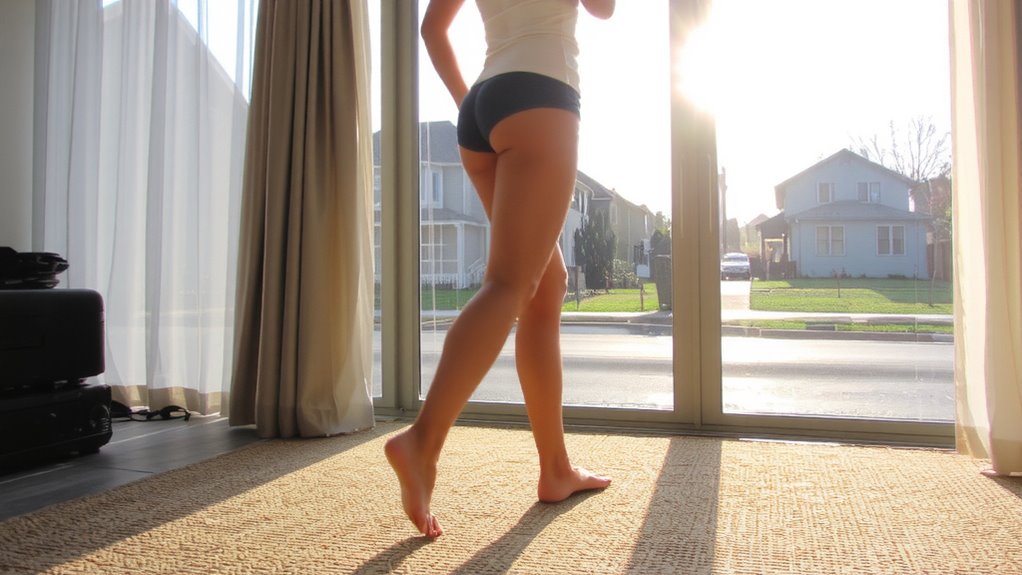
While you might not feel it at first, hours of sitting can quietly tighten your hips, knees, and lower back, making movement stiffer and less fluid by evening. A short walk helps restore joint flexibility and promotes muscle relaxation without overexertion. Gentle motion increases blood flow to stiff areas, easing discomfort and supporting mobility. You don’t need speed or distance-just consistent, low-impact movement.
| Joint Area | Benefit After Walking |
|---|---|
| Hips | Improved range of motion |
| Knees | Reduced stiffness |
| Lower Back | Decreased tension |
| Shoulders | Enhanced circulation |
This simple practice supports your body’s need for daily motion. Over time, better joint flexibility and muscle relaxation may reduce reliance on sleep aids or long recovery routines. It’s a practical step toward balanced physical function, especially if desk work fills your day. Consider trying it for a week to assess changes in comfort and movement.
How Body Temperature Triggers Better Sleep
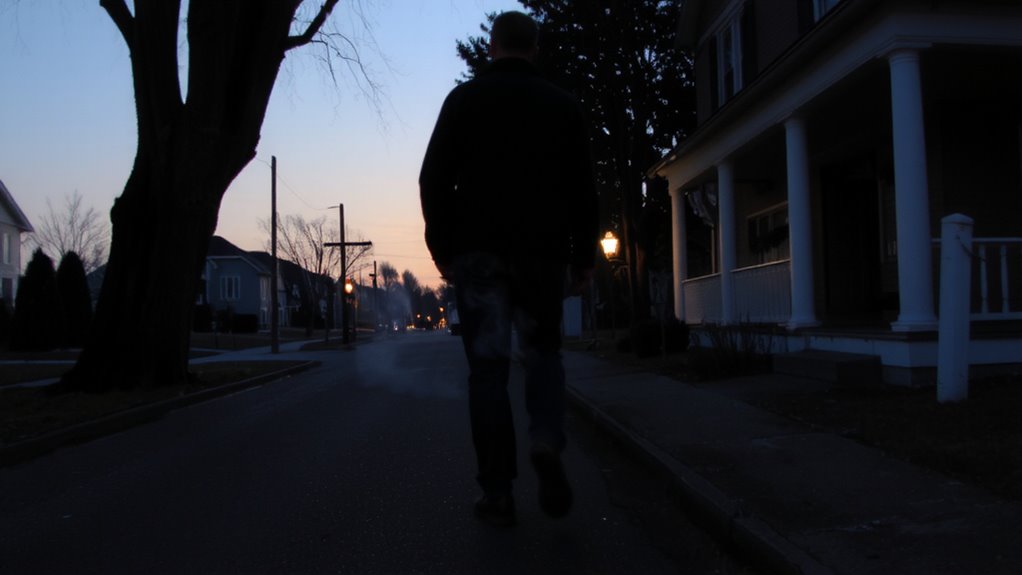
A drop in your body temperature signals the brain that it’s time to sleep, and a brief evening walk can help speed up this natural cooldown. Your circadian rhythm relies on temperature shifts to regulate sleep timing, and moving your body in the early evening gently raises heat, followed by a faster decline afterward. This dip supports a smoother shift into rest. As your core cools, it promotes melatonin release, the hormone that prepares you for sleep. This process strengthens your body’s natural rhythm without relying on sleep aids. For those with mild sleep issues, this non-invasive method offers a consistent, drug-free approach. Unlike supplements, which vary in effectiveness, temperature cues are built into your biology. A regular 10-minute walk provides predictable input, helping you assess what works best over time, with no side effects or trial limitations.
How a 10-Minute Walk Calms Your Mind at Night
That drop in body temperature isn’t just helping you fall asleep-it’s also setting the stage for a quieter mind. As you walk, your breathing slows and your heartbeat steadies, signaling your brain to shift into a calmer state. This simple rhythm of movement supports stress reduction by lowering cortisol, helping you unwind naturally. You don’t need special equipment or a long time commitment-just comfortable shoes and a safe path. The repetition of steps creates mental clarity, letting nagging thoughts settle. Over time, this nightly routine can improve your ability to shift from active thinking to restful stillness. It’s not a cure-all, but it offers a drug-free option for managing sleep difficulties. Unlike sleep aids, it carries no risk of dependency and builds no tolerance. Try it for a week and observe how your mind feels-lighter, clearer, and more ready for sleep.
Best Time to Walk for Sleep and Mobility
If you’re looking to improve both sleep quality and mobility, timing your walk right can make a noticeable difference. Aim for a 10-minute walk about 60 to 90 minutes before bedtime, when evening sunlight is still present but not too intense. This exposure helps regulate your circadian rhythm, signaling your body to prepare for rest. Walking during this window supports joint mobility by gently loosening stiff muscles after a day’s inactivity. If possible, try barefoot grounding on safe, clean surfaces like grass or dirt-this practice may reduce inflammation and improve nighttime relaxation. While not a substitute for medical sleep aids or treatment for sleep disorders, this routine complements other strategies by promoting natural physiological shifts. Stick to flat, even paths to avoid injury and maintain steady movement. Over time, this simple practice can become a reliable part of your body’s nightly wind-down process.
Make Your Walk a Daily Habit
Think of your evening walk as a daily tune-up for your body and mind-something small but steadying, like brushing your teeth or locking the door at night. You’re more likely to stick with it if you use habit stacking, linking the walk to an existing routine, like heading outside right after dinner or right before your nightly skincare. This simple pairing builds automaticity over time. For consistency tracking, try marking a calendar or using a habit app-visual progress reinforces commitment without pressure. These tools don’t judge missed days but help you notice patterns, which supports long-term adherence. Starting small guarantees sustainability, especially if sleep quality or joint stiffness is a concern. Over days, this habit can influence circadian rhythms naturally, potentially reducing reliance on sleep aids. It won’t replace medical treatment for sleep disorders, but it’s a low-risk, accessible behavior worth trialing. With modest effort and clear tracking, it’s a habit that builds quietly but performs reliably.
Safe Indoor Alternatives for Evening Movement
What if you could enjoy many of the same benefits as an evening walk without stepping outside? With proper indoor lighting and attention to surface safety, you can stay active and support better sleep and joint mobility. These gentle movements require little space but offer real benefits when done consistently.
| Activity | Equipment Needed | Time Required |
|---|---|---|
| Marching in place | Comfortable shoes | 10 minutes |
| Chair yoga | Sturdy chair | 8–10 minutes |
| Light stretching | Yoga mat (optional) | 10 minutes |
| Arm circles and steps | Open space | 10 minutes |
Choose well-lit areas and clear walkways to avoid tripping. Non-slip floors enhance surface safety, especially if you’re using mats. Good indoor lighting helps maintain alertness without disrupting melatonin later. Try one routine for a week and note how your body responds before adjusting. These options can fit into most lifestyles and may help ease into healthier sleep patterns.
On a final note
A 10-minute evening walk helps you sleep better and keeps joints moving without straining your schedule. It cools your body gradually, signaling it’s time to rest, while easing tension from sitting all day. You don’t need special gear-just supportive shoes and a safe path. Try it most nights, even indoors if needed. Over time, this small habit may reduce reliance on sleep aids and improve comfort, offering a practical, low-risk option worth testing for better rest and mobility.