Why Advanced Sleep Phase Disorder Patients Wake Up Too Early and Can’t Fall Back Asleep
You wake up too early because your internal clock shifts your sleep cycle forward, completing deep sleep by midnight and raising alertness by 4 a.m. This isn’t laziness or stress-it’s a biological rhythm disorder where your body can’t stay asleep longer, even if tired. Light exposure and melatonin timing play key roles in adjusting this pattern. Treatments like morning light therapy or evening melatonin may help reset your schedule over time. There are options to explore that could improve your sleep timing and quality with consistent use.
Notable Insights
- Their internal body clock shifts sleep timing earlier, causing natural wake times around 3–4 a.m.
- Deep sleep ends early, reducing sleep pressure and making return to sleep biologically unlikely.
- Circadian rhythms finish their sleep-promoting phase before desired wake time.
- The body becomes alert due to early morning hormone changes like rising cortisol.
- External light and noise at dawn can trigger awakening when sleep drive is already low.
What Is Advanced Sleep Phase Disorder (ASPD)?
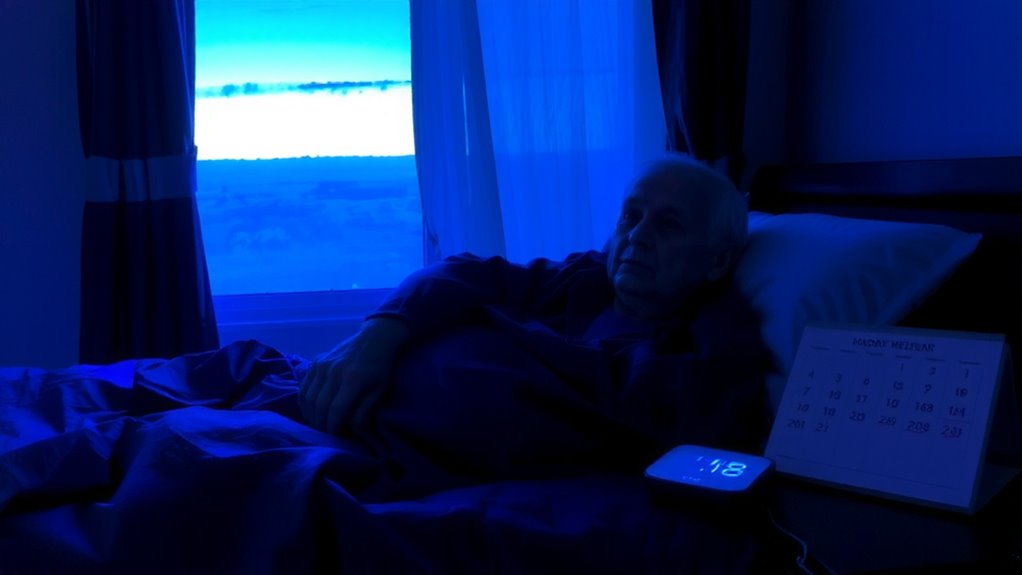
Think of your body’s internal clock like a built-in timer that runs a little too fast. In Advanced Sleep Phase Disorder (ASPD), this shift causes you to fall asleep and wake up much earlier than typical. You may feel sleepy by 7 or 8 p.m. and rise by 3 or 4 a.m., even if you don’t want to. This isn’t just being an early bird-it’s a form of circadian misalignment, where your sleep cycle clashes with social or work demands. There’s often a genetic predisposition, especially if a close family member has similar patterns. The condition is real, chronic, and diagnosable through sleep logs or actigraphy. While not dangerous, it can disrupt evening plans or productivity. Light therapy, melatonin, and behavioral shifts can help, but treatments require consistency. Knowing the signs helps you decide whether to track sleep patterns or consult a specialist.
Why You Fall Asleep Too Early With ASPD

Why does your body insist on shutting down by early evening, no matter how much you try to stay awake? With ASPD, your internal clock runs on a shifted schedule due to circadian misalignment. Your natural sleep drive kicks in as early as 6–8 p.m., making it hard to stay alert. This early fatigue isn’t just habit-it’s often tied to a genetic predisposition, meaning family members may share similar patterns. Light cues, like evening screens or indoor lighting, can worsen the misalignment by reinforcing the shifted rhythm. While sleep aids might help delay bedtime temporarily, they don’t reset your clock. Treatments like morning light therapy or timed melatonin may offer better long-term alignment. If you’re consistently falling asleep hours earlier than desired, tracking sleep patterns and consulting a specialist can clarify whether ASPD is the cause and guide effective, personalized adjustments.
Why You Wake Up at 4 A.M. and Can’t Go Back to Sleep
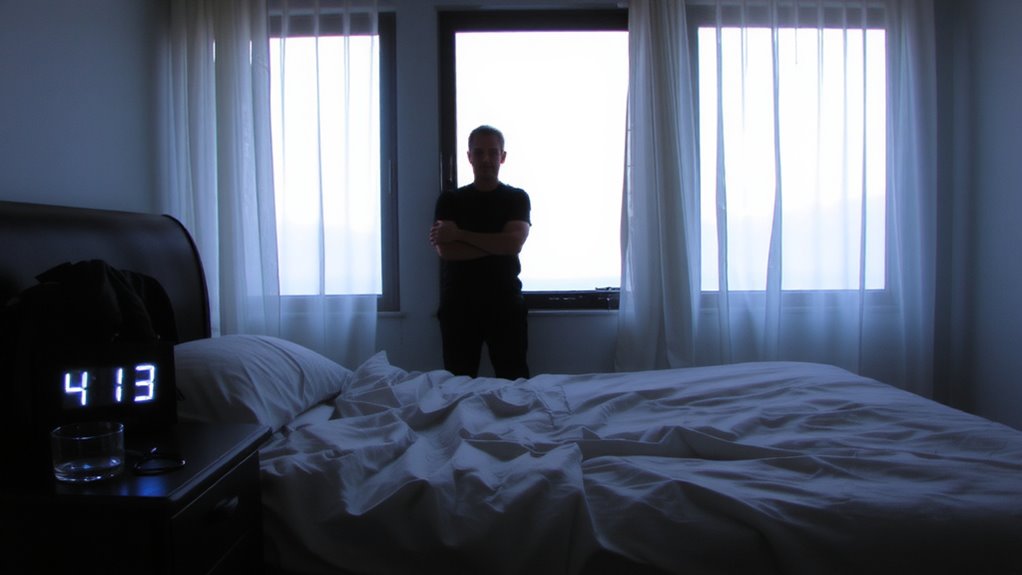
What makes your eyes open at 4 a.m., wide awake and unable to drift back? It’s likely a core trait of advanced sleep phase disorder-your internal clock shifts early, triggering a restless awakening when sleep pressure drops too low. This isn’t just poor habit; it’s early insomnia, where you fall asleep too soon and finish deep sleep by midnight. By 4 a.m., your body’s already cycled through rest, leaving you alert. Light exposure, stress, or noise can worsen it, but the root is biological. You might lie there frustrated, knowing you need rest but unable to return. Treatments like morning light therapy or timed melatonin can help adjust timing. Some find relief with short-term sleep aids, though they don’t fix the internal clock. A doctor can assess whether your wakefulness stems from ASPD or other causes, guiding safer choices with minimal side effects.
How Your Body Clock Gets Stuck on Early Time
Your body clock can become locked into an early schedule due to changes in the circadian rhythm that control sleep and wake times. This shift isn’t just habit-it’s often tied to circadian rigidity, where your internal clock resists adjusting to new light or social cues. Once set, it’s tough to shift later, making you fall asleep by 7 or 8 p.m. and wake at 4 a.m., even if you want to stay up. Internal desynchronization may also occur, where your sleep-wake cycle drifts out of sync with other body rhythms like temperature or hormone release. That can worsen sleep quality and daytime function. The result? A pattern that feels fixed, limiting evening activities and affecting relationships. Treatments exist, but first understanding your rhythm’s structure helps guide choices. You’ll want to assess timing, symptoms, and daily impact before trying interventions.
How Light and Melatonin Can Reset Your Sleep
How can you nudge your internal clock back into better alignment? You can use light therapy and adjust melatonin timing to shift your sleep schedule later. Morning light exposure delays your internal clock, helping you stay awake longer at night. Use a light therapy box for 20–30 minutes soon after waking. Evening melatonin, taken 5–7 hours before bedtime, shifts your rhythm later when timed right. Consistency matters most-stick to the same schedule daily. For those considering supplementation, choosing the right melatonin sleep aids can enhance effectiveness and support better sleep quality.
| Factor | Timing | Effect on Sleep |
|---|---|---|
| Light Therapy | Morning (after waking) | Delays sleep onset |
| Melatonin Timing | Late afternoon/early evening | Promotes later sleep |
| Daily Routine | Consistent daily use | Stabilizes internal clock |
These tools work best when combined.
Treatments That Help You Sleep Later and Longer
Could timing be the key to shifting your early sleep pattern? Yes-combining light therapy in the evening with delayed sleep schedules can help. You’ll also want strong sleep hygiene: keeping a consistent bedtime, avoiding screens before bed, and limiting caffeine or alcohol. These habits support your body’s ability to stay awake later and sleep longer. There are also medication options, like low-dose melatonin taken in the morning or prescription drugs that affect circadian timing-talk to your doctor to see which might fit your needs. Most treatments work best when used together over weeks. Progress may feel slow, but sticking with changes improves results. Always consult a sleep specialist to tailor therapy to your lifestyle and health.
On a final note
You may feel stuck waking too early with ASPD, but your body clock can adjust. Light exposure in the evening and timed melatonin help shift your sleep later. Consistent routines strengthen results. These methods are safe, non-invasive, and often effective within weeks. If sleep aids are considered, short-term options exist, but they require medical guidance. Talk to a sleep specialist to weigh benefits, timing, and trial periods tailored to your needs.