Exploring The Benefits Of Using Sound Machines As A Noise Pollution Solution For Better Sleep
You’re not just blocking noise with a sound machine-you’re masking it with steady audio that helps your brain relax. Unlike earplugs, these devices cover sudden sounds like barking dogs or slamming doors using white, pink, or brown noise. Look for adjustable tone, volume, and 360-degree speakers for even coverage. Reliable models often come with trial periods, so you can test what works best for your sleep. Stronger masking fits noisy bedrooms, while nature sounds may soothe but lack consistency. Your ideal choice balances frequency range, build quality, and personal comfort. Learning how placement and timing affect results could further improve your sleep routine.
Notable Insights
- Sound machines mask disruptive noises with consistent audio, improving sleep quality in noisy environments.
- They use white, pink, or brown noise to cover sudden sounds like slamming doors or barking dogs.
- Frequency tuning allows customization to block low rumbles or mid-range chatter effectively.
- 360-degree sound distribution ensures even coverage, enhancing effectiveness in larger or shared rooms.
- Combining sound therapy with routines helps the brain relax and maintain uninterrupted sleep cycles.
How Sound Machines Block Noise for Better Sleep
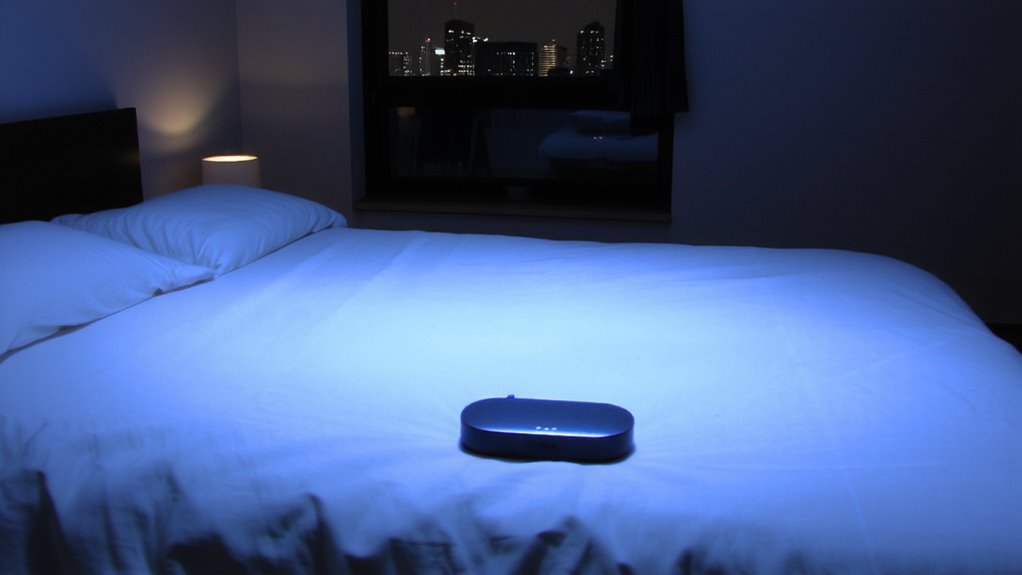
While your brain might still register sudden noises like a slamming door or barking dog, a sound machine doesn’t block those sounds the way earplugs do-instead, it covers them up with consistent, soothing audio. This is called sound masking, and it works by filling your room with steady background noise that makes disruptive sounds less noticeable. You’ll find machines offering frequency tuning, which lets you adjust the pitch to match your environment or personal comfort. Lower frequencies, like brown noise, often work better for deep rumbles, while mid-range frequencies suit traffic or chatter. Because your sensitivity may vary, look for models with adjustable tone and volume for better control. Many reliable brands include trial periods, so you can test effectiveness without risk. Sound machines won’t eliminate noise, but with proper sound masking and frequency tuning, they can help your brain relax-supporting steadier sleep, especially if you’re sensitive to disturbances. For napping specifically, some machines are optimized to provide the most effective noise masking during short rest periods.
Best Sound Machines for Noisy Bedrooms
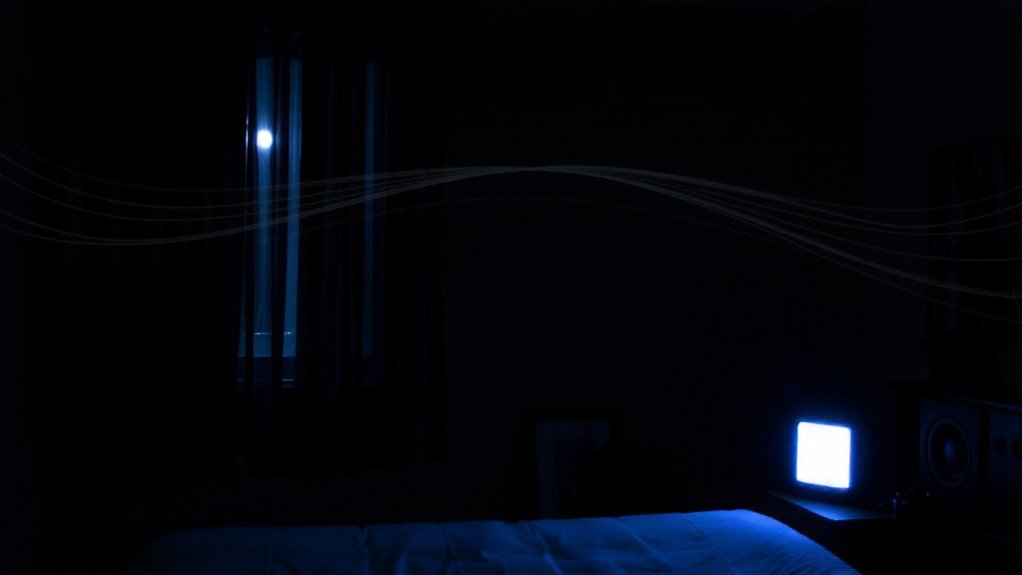
If you’re dealing with a noisy bedroom, choosing the right sound machine can make a real difference in how well you sleep. Look for models with strong sound therapy options, like adjustable white noise, pink noise, and brown noise, since they cover a range of disruptive sounds. Machines with 360-degree speakers offer even sound distribution, which enhances sleep enhancement by reducing audio dead spots. Durable build quality and simple controls matter, especially if you plan to move it between rooms. Some top options include the LectroFan Classic, known for its fan-based masking sounds and solid construction, and the Hatch Restore 2, which combines sound therapy with gentle lighting features. Many come with trial periods or warranties, so you can test comfort and performance. Prioritize consistent output and noise variety to match your bedroom’s acoustic challenges for the best results. A key factor in selecting the right device is understanding the type of sound therapy options that align with your sleep needs.
White Noise vs. Nature Sounds: Which Helps Sleep More?
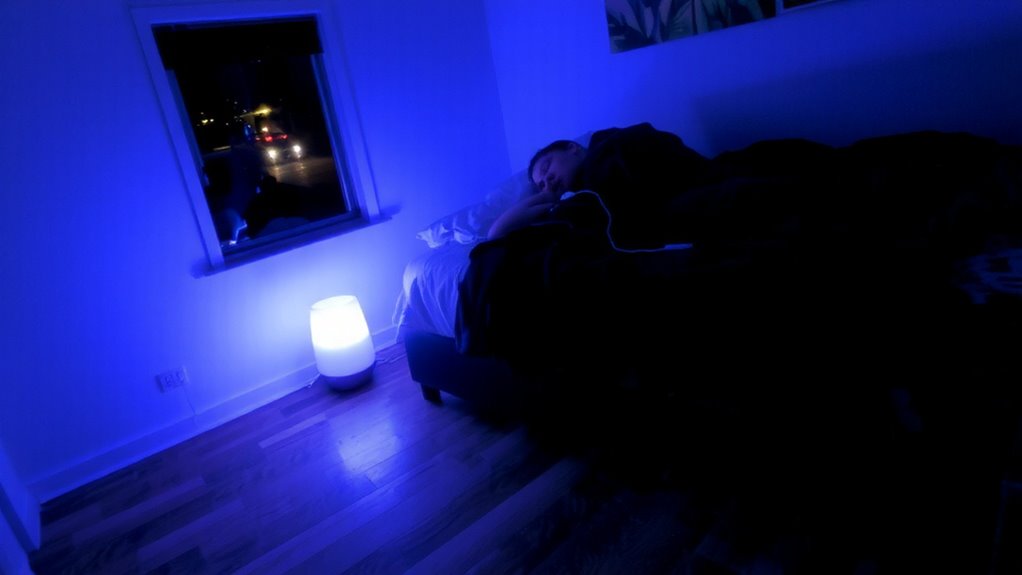
What kind of sound truly helps you fall asleep faster and stay asleep longer-steady white noise or soothing nature sounds? White noise offers a consistent frequency that masks sudden noises, helping your brainwave entrainment settle into a calm state. Many find it effective for blocking distractions and supporting sleep cycle alignment, especially in chaotic environments. Nature sounds, like rain or ocean waves, create a relaxing atmosphere that may reduce anxiety for some users. These sounds can feel more natural and pleasant, possibly improving sleep quality over time. While white noise provides even coverage across frequencies, nature sounds vary more, which might interrupt deep sleep in sensitive individuals. You’ll want to weigh your personal sleep patterns and sensitivities. Both options support brainwave entrainment, but their impact on sleep cycle alignment depends on consistency and preference. A short trial can help you decide what truly works for your rest. For those seeking optimal results, considering one of the best white noise machines can enhance sound consistency and coverage.
What to Look for in a Sleep Sound Machine
Since not all sound machines deliver the same quality or functionality, choosing the right one means paying close attention to key features that affect performance and comfort. You’ll want clear, consistent sound quality-look for models with high-fidelity audio and minimal looping interruptions. Poor sound quality can distract rather than soothe, especially in quiet rooms. Consider device portability if you travel often or move the machine between rooms; compact, lightweight designs with battery options offer greater flexibility. Built-in speakers should provide even coverage across your space without needing excessive volume. Check for durable construction, intuitive controls, and digital stability. Many brands offer trial periods or warranties, so test the unit in your bedroom environment. These practical details help guarantee the machine supports uninterrupted rest without adding new annoyances.
When Sound Machines Help Most
While you might not need a sound machine every night, they’re especially helpful when outside noise disrupts your sleep or when your environment feels too quiet, making it hard to relax. In urban living, traffic, sirens, or neighbors can easily interrupt your rest. A sound machine masks these abrupt sounds with steady, soothing audio. Shift workers who sleep during the day often struggle with noise pollution and sunlight, so consistent sound helps cue the brain it’s time to rest. Even in quiet homes, silence can heighten awareness of small noises, disrupting sleep cycles.
| Situation | Benefit |
|---|---|
| Urban living | Blocks street noise |
| Daytime sleep | Supports shift workers |
| Light sleepers | Reduces disturbances |
| Noisy households | Masks activity sounds |
| Insomnia | Encourages relaxation |
How to Use a Sound Machine for Better Sleep
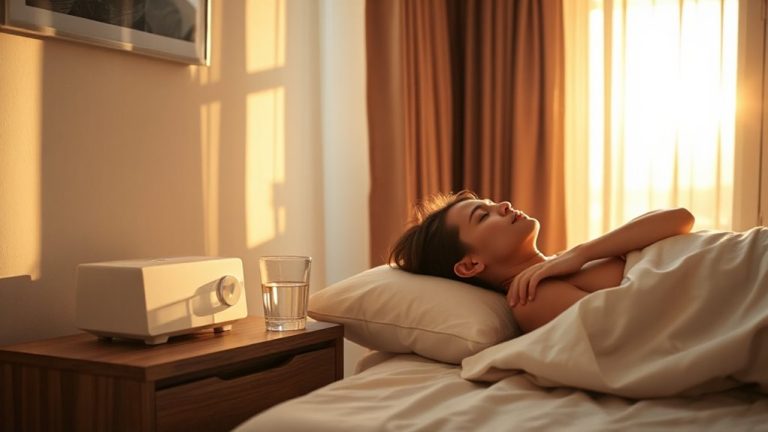
You’ve likely found that sound machines help in noisy or overly quiet environments, but knowing how to use one effectively makes a bigger difference than just turning it on. Start by integrating the device into your nightly sleep routines, turning it on at the same time each evening to signal to your body that it’s time to wind down. For best results, pay attention to sound placement-position the machine a few feet from your bed, slightly behind or to the side, to create a natural sound field without overwhelming your senses. Don’t use it too loud; a soft, consistent volume works better for brain relaxation. Test different sounds like white noise, pink noise, or nature tones to see what supports your sleep pattern. Many models offer timers and warranty options, so try features over a week or two before making a final decision.
On a final note
You can use a sound machine to reduce nighttime noise disturbances, helping you fall asleep faster and stay asleep longer. Models with adjustable volume, timer settings, and multiple sound options-like white noise or nature sounds-offer flexibility. Many come with solid construction and reliable performance, plus trial periods or warranties. Test different sounds to see what works best for your sleep routine.