Why People With Advanced Sleep Phase Disorder Fall Asleep by 7 PM
You fall asleep by 7 p.m. because your internal clock runs ahead of most people’s, driven by genetic shifts that advance your circadian rhythm. This causes melatonin to rise earlier-sometimes in the late afternoon-making you feel sleepy before typical evening hours. Light exposure, meal times, and routines can influence this, but the root cause is often biological. Treatments like evening bright light therapy or timed melatonin may help adjust your schedule; consistency matters most. Exploring how these options work could clarify the best path for your lifestyle.
Notable Insights
- People with ASPD have an advanced circadian rhythm, causing sleep onset as early as 6–9 p.m.
- A genetic mutation in clock-related proteins shifts the internal body clock to an earlier schedule.
- Early melatonin release, beginning as early as 3–4 p.m., triggers sleepiness before typical evening hours.
- Light exposure, meal timing, and daily routines can reinforce the advanced sleep-wake cycle.
- The misalignment between internal timing and social schedules leads to falling asleep by 7 p.m.
What Is Advanced Sleep Phase Disorder?
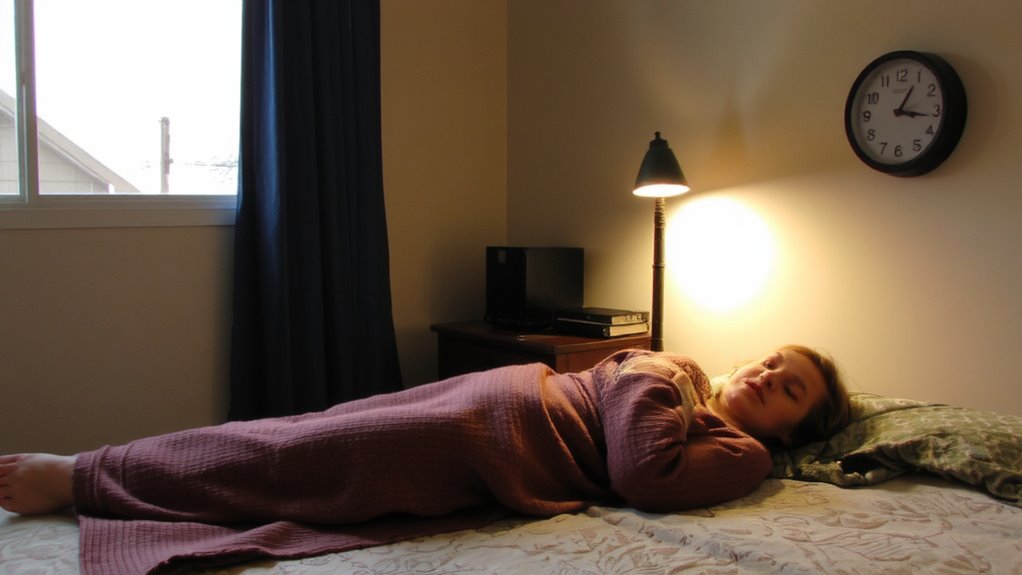
While most people stay awake into the evening, you might notice that you feel sleepy long before then-sometimes as early as 7 p.m. This shift isn’t just a preference; it could signal Advanced Sleep Phase Disorder (ASPD). Your sleep patterns begin much earlier than societal norms, with sleep onset often between 6–9 p.m. and wake times between 2–5 a.m. ASPD involves a change in circadian alignment, meaning your body’s internal clock runs on an advanced schedule. Though harmless for some, it can disrupt work, social life, or family routines. Light exposure, meal timing, and daily habits influence circadian alignment. Treatments like timed bright light therapy or melatonin supplements may help realign rhythms. Consulting a sleep specialist allows you to assess options based on your lifestyle and needs, improving long-term sleep quality without rushing to solutions.
How a Gene Mutation Causes Early Sleep

One in four people with a strong tendency to fall asleep early may carry a gene mutation tied to Advanced Sleep Phase Disorder. This genetic variation affects proteins involved in your body’s internal clock, shifting your sleep-wake cycle earlier than typical. As a result, you might feel sleepy by early evening and wake up well before sunrise. When your internal rhythm doesn’t match social or environmental time, circadian misalignment can occur, potentially disrupting daily routines. While this mutation doesn’t require treatment, understanding it helps explain your sleep patterns. If sleep timing causes strain, consider light therapy in the evening or timed melatonin-used carefully under guidance. Evaluating lifestyle adjustments or consulting a sleep specialist allows informed choices. Some find reassurance just knowing biology plays a role, easing concerns about being “out of sync.”
Why ASPD Triggers Early Melatonin Release
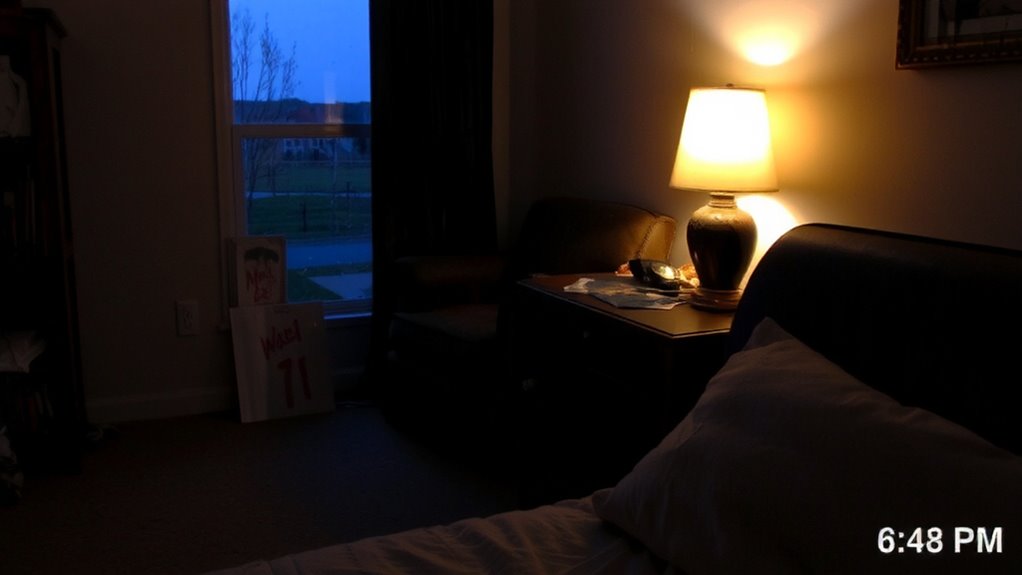
Up to 70% of people with Advanced Sleep Phase Disorder start releasing melatonin far earlier than average, often by late afternoon. Your melatonin onset shifts forward, sometimes beginning as early as 3 or 4 PM, because your body’s internal clock activates circadian triggers ahead of the typical schedule. This early signal makes you feel sleepy long before most evening activities end. Since melatonin helps regulate sleep-wake cycles, this shift means your body is biologically preparing for bed much sooner than usual. The change is linked to genetic variations that affect circadian timing, not poor sleep habits or lifestyle choices. Understanding your melatonin onset can help you plan bedtime routines or discuss light therapy options with a doctor. Some find timed bright light exposure in the evening helps delay circadian triggers slightly. Knowing how your system works lets you make informed choices about managing sleep timing.
How ASPD Affects Social Life and Work
What happens when your body clock runs hours ahead of everyone else’s? You’re battling social isolation and work conflicts daily. While friends unwind, you’re fighting sleep by 7 PM. Weekend plans? Often missed due to your early sleep need. At work, your peak energy comes before dawn, making afternoon meetings a struggle.
| Situation | Challenge |
|---|---|
| Evening gatherings | Hard to stay awake, leading to social isolation |
| Team collaborations | Misaligned energy peaks cause work conflicts |
| After-work events | Usually asleep when they start |
| Morning deadlines | High performance, but unsustainable long-term |
You adapt by scheduling meetings early or switching roles with better hours. Employers may accommodate, but not always. These adjustments help, but they don’t fix the mismatch. Recognizing patterns is the first step toward practical change.
Resetting Your Circadian Rhythm: Treatment Options
Although your body clock feels locked into an early schedule, several treatment options can shift it closer to the typical day-night cycle. Light therapy, used in the evening, helps delay your circadian rhythm by signaling your brain to stay alert later. You’ll sit near a bright light box for 30 to 60 minutes, ideally right after your usual early wind-down time. Consistency matters-use it daily for best results. Sleep restriction might also help by temporarily limiting time in bed, increasing sleep pressure, and gradually pushing bedtime later. This method requires tracking your sleep and adjusting bedtime in small steps, usually under a doctor’s guidance. Both options need commitment and monitoring. Light therapy devices vary in brightness and UV filtering, so choose one around 10,000 lux with minimal blue light risks. Results often appear in weeks, but relapse is possible if routines lapse.
On a final note
You might have advanced sleep phase disorder if you’re falling asleep by 7 p.m. and waking too early. This condition, often linked to a gene mutation, shifts your body’s clock forward, prompting melatonin release hours earlier than usual. It can limit social time and disrupt work schedules. Light therapy in the evening, timed melatonin supplements, and consistent wake-up times may help reset your rhythm, improving daily function without side effects when used correctly. Talk to a sleep specialist to confirm and explore options.