Lemon Balm for Nighttime Asthma: Dosage, Benefits & Risks
You can use lemon balm before bed to help calm your nerves and possibly ease nighttime airway resistance, but it won’t replace your inhaler or prescribed asthma meds. Try 300–500 mg of extract or a cup of tea about 30 minutes before sleep, and watch for side effects or interactions with other drugs. It may support relaxation, but proven treatments should stay central to your plan-keeping symptoms in check matters most for lasting relief. More details follow on safe, effective steps you can take tonight.
Notable Insights
- Lemon balm may help relaxation and indirectly reduce nighttime airway resistance but is not a direct asthma treatment.
- Evidence supporting lemon balm for asthma symptoms is limited and insufficient to replace standard medical therapies.
- Use 300–500 mg of dried leaf extract 30 minutes before bed, in tea, capsule, or tincture form.
- Lemon balm can interact with sedatives, thyroid medications, and asthma drugs; consult a healthcare provider first.
- Never substitute proven asthma treatments with lemon balm; use it only as a complementary support with medical guidance.
Why Nighttime Asthma Gets Worse
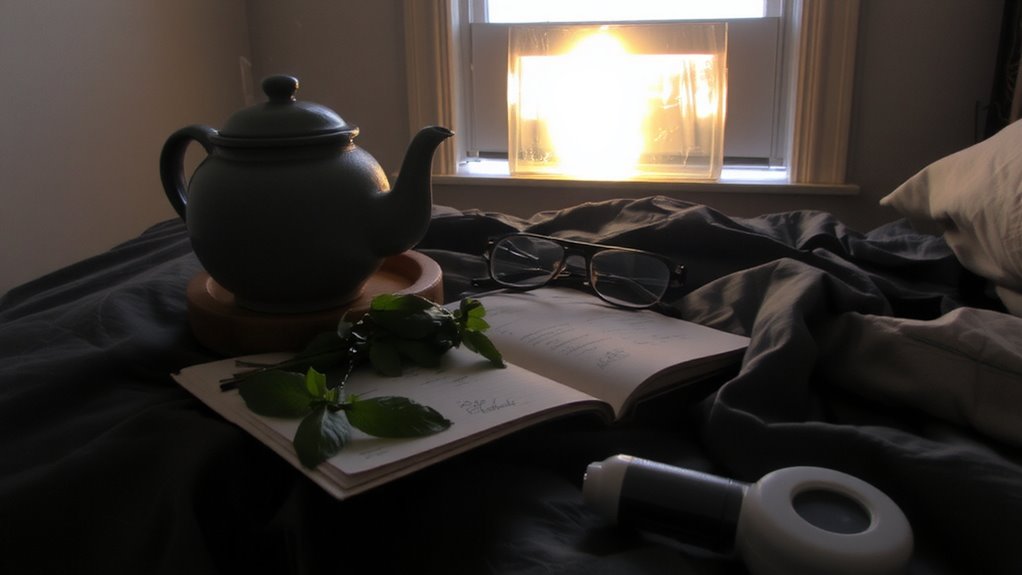
Why does asthma seem to flare up more often at night? Your sleep environment plays a bigger role than you might think. When you lie down, gravity can increase postnasal drip and put pressure on your lungs, making breathing harder. At night, your body’s natural cortisol levels drop, which can reduce airway openness. Also, your sleep environment may harbor dust mites, pet dander, or mold-common triggers for allergen exposure. These irritants build up in bedding, carpets, and pillows, worsening symptoms while you sleep. Poor bedroom ventilation or using scented products can further aggravate airways. Consider washing bedding weekly in hot water and using allergen-proof covers to reduce nighttime triggers. Keeping pets out of the bedroom and using a HEPA air purifier may help improve air quality. Small, informed changes to your sleep environment can reduce allergen exposure and support steadier breathing through the night. A HEPA air purifier designed for best sleep air purifiers can minimize nighttime allergens and promote easier breathing.
Natural Support for Nighttime Asthma Symptoms
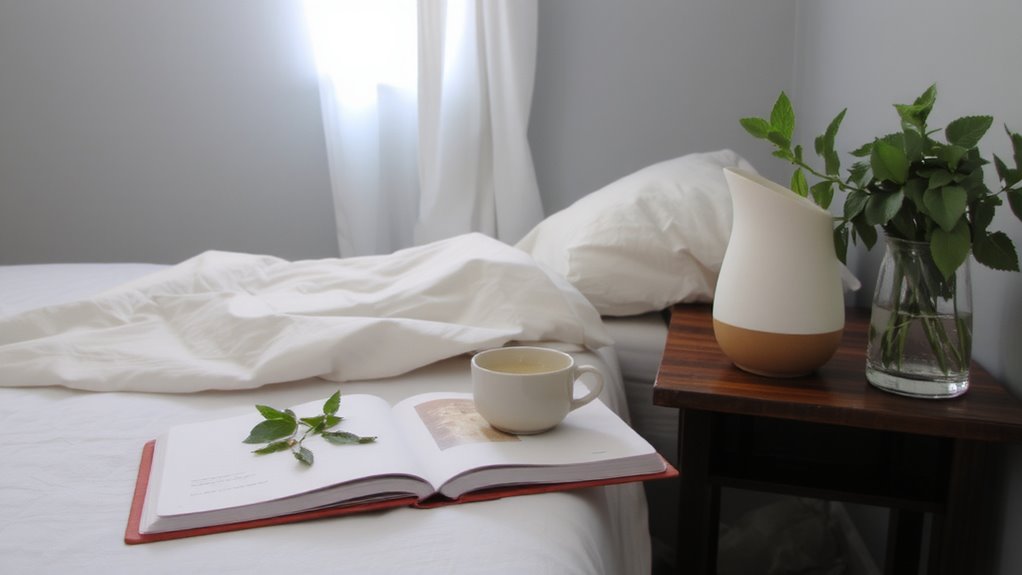
How might you ease nighttime asthma without relying solely on medication? You can explore natural options that support breathing and sleep quality. Aromatherapy benefits may include calmer airways when using diffusers with soothing scents, though results vary. Essential oils should be used cautiously, especially around sensitive lungs. Herbal interactions are a key concern-some supplements affect how medications work, so reviewing them with a healthcare provider is essential. Sleep position matters; elevating your head slightly might reduce symptom triggers. Breathable bedding and allergen-resistant covers can help maintain a cleaner sleep environment. These adjustments don’t replace treatment but may complement it. Consider tracking changes over a week to evaluate what supports your breathing. Natural methods require careful trial, and warranties or guarantees on sleep aids should be checked before purchase.
Can Lemon Balm Help Easier Breathing at Night?
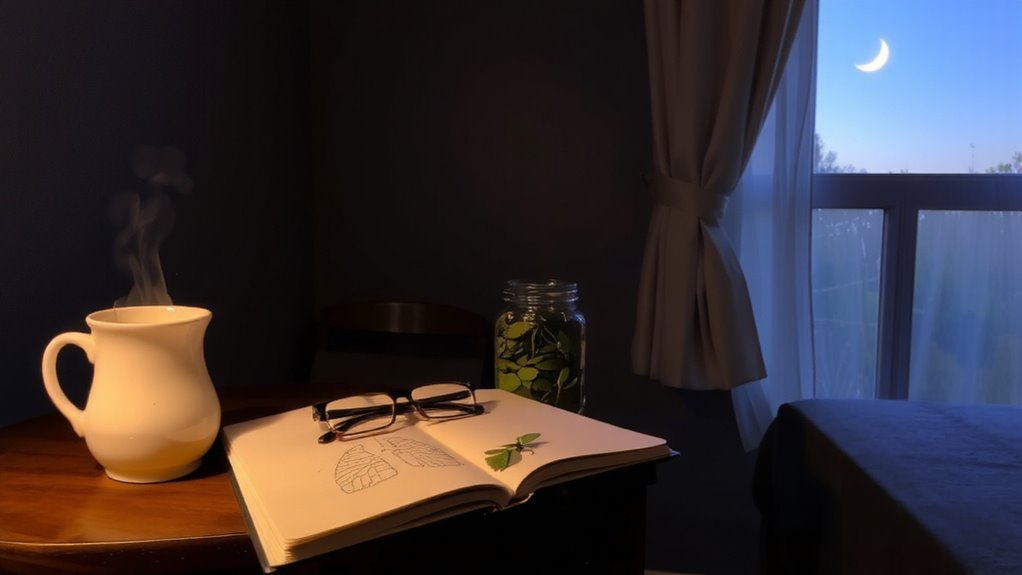
Could something as simple as lemon balm make a difference in how easily you breathe at night? Some studies suggest lemon balm effects may support breathing improvement by promoting relaxation and reducing nighttime airway resistance. You might find it helps calm the nervous system, which can indirectly ease asthma-related breathing struggles during sleep. While not a direct treatment, its mild sedative properties could help you relax enough to breathe more freely. Evidence isn’t strong enough to replace standard care, but trying lemon balm as a complementary option may be worth considering. You’d want to weigh this against other sleep aids and assess how it fits your routine. Results vary, so monitor your symptoms closely. Always consult your doctor before adding it to your nighttime routine, especially if you’re using other medications for sleep disorders or asthma.
How to Use Lemon Balm Safely Before Bed
While you’re looking for ways to ease nighttime asthma symptoms, adding lemon balm to your routine might offer gentle support-if used correctly. Stick to recommended dosage guidelines, like 300–500 mg of dried leaf extract about 30 minutes before bed, to help avoid overuse. You can take it as tea, capsule, or tincture, but consistency matters more than form. Be mindful of potential interactions, especially if you’re on sedatives, thyroid meds, or asthma prescriptions-lemon balm may amplify drowsiness or affect drug performance. Don’t combine it with alcohol or other sleep aids unless cleared by a professional. Start with a low dose to see how your body responds, and monitor changes in breathing or alertness. Though generally safe, lemon balm works best as part of a broader sleep hygiene routine, not a replacement for proven asthma treatments.
When to See a Doctor About Nighttime Asthma
Isn’t it concerning when coughing or wheezing interrupts your sleep several nights a week? That’s a sign your asthma may not be well-controlled, and it’s time to talk to your doctor. You should also watch for emergency signs like severe shortness of breath, struggling to speak, or lips turning blue-these need immediate care. Even if your symptoms are mild but frequent, seeing a doctor helps you explore better treatment options. They can adjust your inhaler use, suggest nighttime medications, or check for sleep disorders like sleep apnea that worsen asthma. Lemon balm might soothe you before bed, but it’s not a substitute for proven therapies. A doctor can guide you on safe, effective sleep aids and long-term management. Getting the right diagnosis means better sleep and fewer nighttime disruptions. Don’t wait-timely care improves your breathing and overall health.
On a final note
You might find lemon balm helps calm nighttime asthma symptoms by supporting relaxation and reducing airway irritation. It’s gentle, plant-based, and can be taken as a tea or supplement before bed. Still, it’s not a replacement for prescribed treatments. Always check with your doctor, especially if symptoms persist or worsen. Using it alongside proven therapies may improve sleep quality-just start small, monitor effects, and guarantee product quality with third-party tested brands.