Why Delayed Sleep Phase Disorder Can Worsen Without Treatment
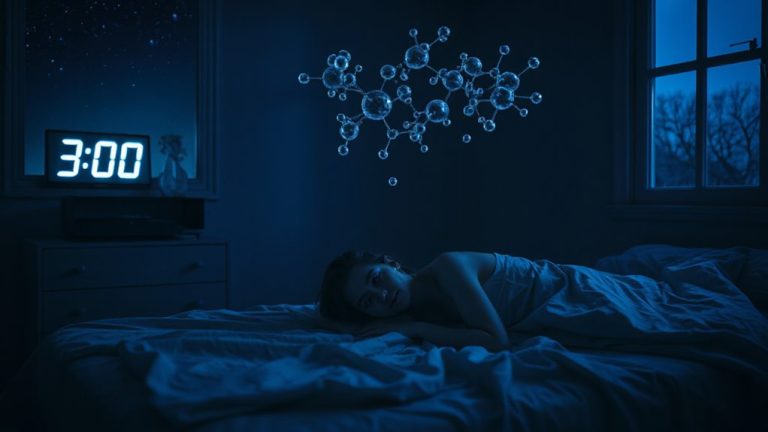
You might find your bedtime drifting later over time because DSPD shifts your internal clock, delaying melatonin release and making early sleep nearly impossible. Without treatment, this cycle reinforces itself, worsening sleep quality and daytime fatigue. It can impact work, mood, and relationships. Light therapy and consistent routines help reset your rhythm. Trying these strategies could lead to more lasting improvements in how you feel and function.
Notable Insights
- Without treatment, the sleep cycle progressively shifts later, deepening circadian misalignment.
- Delayed melatonin release becomes more entrenched, making it harder to fall asleep earlier.
- Chronic sleep deprivation impairs daytime functioning, reducing motivation to maintain routines.
- Social isolation and missed obligations increase stress, worsening sleep and mental health.
- Untreated DSPD raises risks of depression, anxiety, and long-term insomnia due to hormonal imbalances.
What Is DSPD and How Does It Affect Your Sleep?
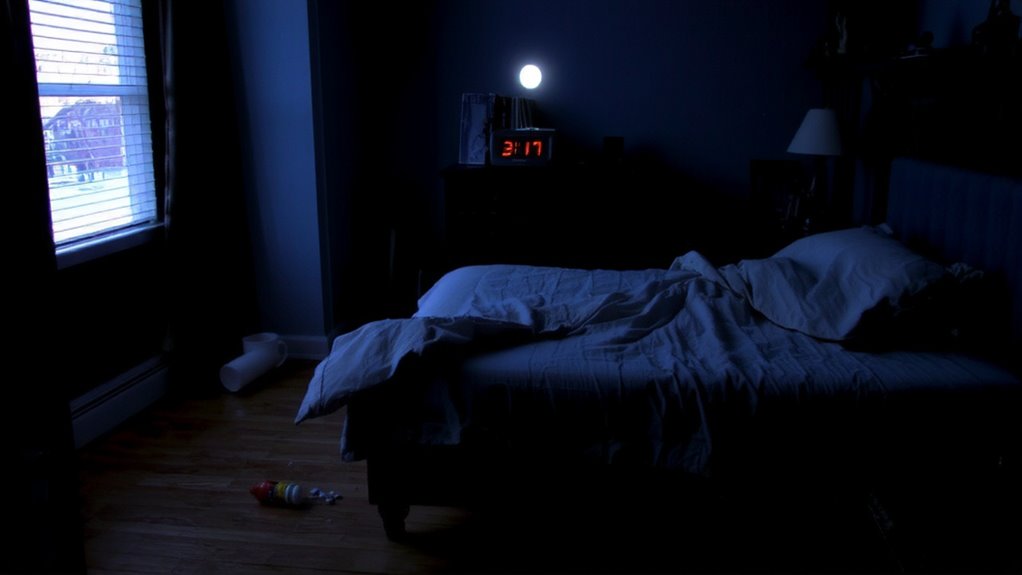
Visualize your internal clock running hours behind the rest of the world-that’s the reality of Delayed Sleep Phase Disorder (DSPD). Your sleep cycles begin much later than typical, often pushing bedtime past midnight, even if you want to sleep earlier. You might not feel sleepy until 2 a.m. or later, and waking for work or school feels nearly impossible. This delay stems from a shift in melatonin levels-your body doesn’t release the hormone until late at night, delaying drowsiness. Unlike poor sleep habits, DSPD is consistent and long-term. It’s not laziness; it’s biology. Shifts in sleep cycles make maintaining schedules hard, affecting daily performance. Treatment options like light therapy or low-dose melatonin supplements can help reset timing when used correctly. Talk to a sleep specialist to confirm diagnosis and explore safe, structured plans. Early intervention improves long-term adaptation.
How DSPD Hijacks Your Body’s Internal Clock
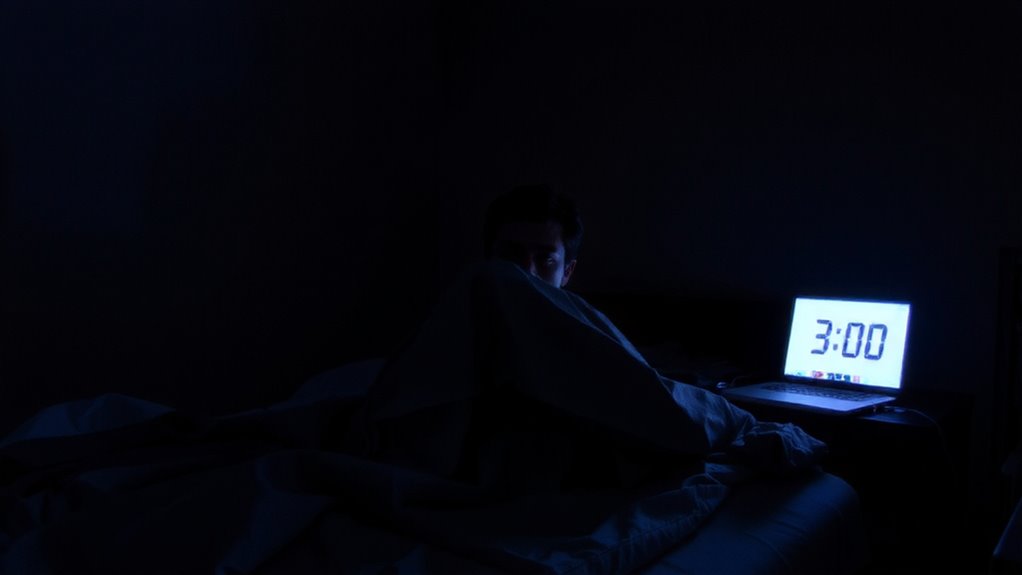
Why does your body resist sleep long after everyone else has turned off the lights? DSPD throws your internal clock off track through circadian misalignment, shifting your natural sleep-wake cycle later than typical societal norms. Your brain begins producing melatonin much later at night, causing melatonin disruption that delays drowsiness. This isn’t just staying up late-it’s a biological shift where your body truly isn’t ready for sleep until the early morning hours. Even if you force yourself to bed earlier, your sleep quality suffers because your internal rhythm isn’t aligned. This misalignment affects how well you function during the day, making mornings especially difficult. Recognizing this pattern helps you choose treatments like timed light exposure or melatonin supplements under professional guidance. Addressing circadian misalignment early supports better long-term sleep outcomes and improves daily performance.
Why Your Bedtime Slips Later Without Treatment
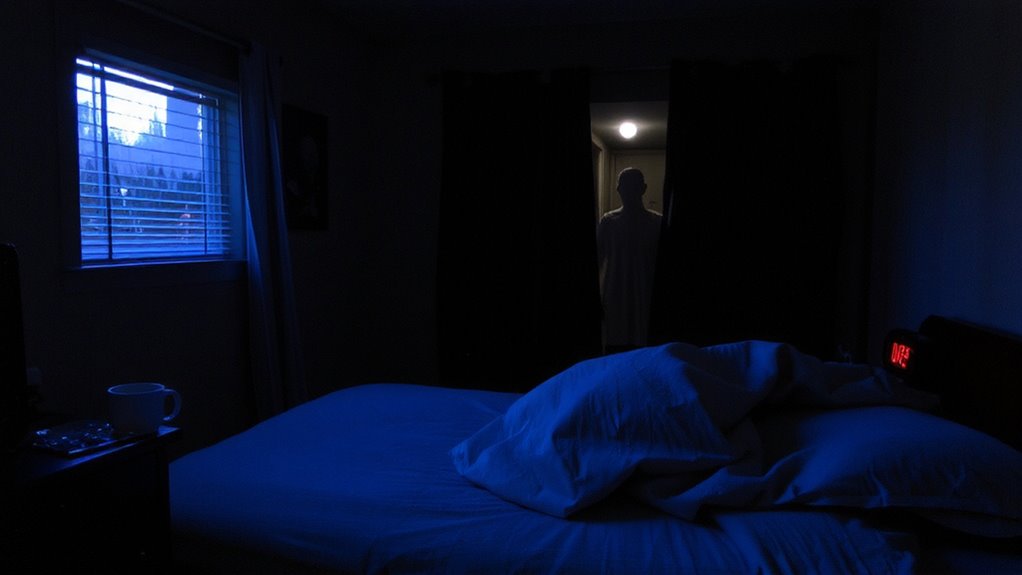
How does your bedtime keep creeping later, even when you try to stick to a schedule? Without treatment, Delayed Sleep Phase Disorder (DSPD) disrupts your natural rhythm, pushing your sleep time further into the night. Your body’s internal clock shifts because of a hormonal imbalance, particularly in melatonin release, which normally helps you feel sleepy at night. When this signal is delayed, you simply can’t fall asleep earlier, no matter how hard you try. Over time, staying up later reinforces the cycle, making it harder to reset. This delay often leads to social isolation, as you miss out on evening activities or feel too fatigued to engage. Sleep becomes inconsistent, worsening the disorder’s hold on your routine. Recognizing this pattern is key to seeking treatment-like light therapy or prescribed sleep aids-that targets timing and balance to help restore a healthier sleep schedule.
How DSPD Disrupts Work, School, and Relationships
Even though you might manage to fall asleep eventually, the delayed timing caused by DSPD often leaves you struggling to wake up early enough to meet work or school demands. You’re likely dealing with chronic sleep deprivation, which impairs focus, slows reaction time, and reduces productivity. Late sleep cycles make morning responsibilities harder, increasing the chance of tardiness or missed deadlines. Social events in the evening may feel manageable, but your inability to stay up with others’ schedules can lead to social isolation. Over time, relationships with family, friends, and coworkers may weaken. You might skip gatherings to protect your sleep routine, further limiting connection. Adjusting your schedule with light therapy or consistent sleep aids could help realign your rhythm. Some melatonin supplements offer gradual release and a 30-day trial period, letting you test effectiveness safely.
How DSPD Increases Depression and Anxiety Risk
Could it be that your sleep pattern is doing more than just shifting your schedule? When you have Delayed Sleep Phase Disorder (DSPD), the ongoing sleep deprivation from missing restorative hours can seriously affect your mental health. Your body’s internal clock is off, which often leads to hormonal imbalance-especially in cortisol and melatonin-making it harder to regulate mood. This imbalance, combined with constant fatigue, increases vulnerability to depression and anxiety. You might notice low motivation, irritability, or trouble focusing, all of which can worsen without consistent sleep. Unlike temporary insomnia, DSPD is persistent, so solutions like light therapy, melatonin supplements at specific times, or structured sleep schedules are often needed. Treatments are most effective when started early and matched to your routine. Talk to a sleep specialist to explore options with proven results and clear usage guidelines.
Why Ignoring DSPD Can Lead to Chronic Insomnia
While your body keeps trying to adjust, delaying sleep night after night can slowly rewire your brain’s ability to fall asleep at a typical hour, making it harder over time to settle into any consistent pattern. Ignoring DSPD lets this cycle continue, increasing the risk that occasional sleep delays become chronic insomnia. Your brain starts associating bedtime with wakefulness, not rest, weakening sleep drive when you actually need it. Over time, this contributes to cognitive impairment, making focus, memory, and decision-making more difficult. Social isolation often follows, as missed events and fatigue strain relationships. Without intervention, the disorder entrenches itself, making treatment longer and more complex. Addressing DSPD early with structured routines improves outcomes. Treatments like light therapy and schedule adjustments work best before insomnia becomes persistent, helping reset your internal clock before complications deepen.
How Light Therapy and Routine Reset Your Sleep
Light therapy and consistent daily routines help retrain your body’s internal clock when sleep patterns have drifted out of sync. You can improve circadian alignment by exposing yourself to bright light early in the morning while avoiding bright screens at night. Proper melatonin timing also matters-taking it a few hours before your desired bedtime signals your brain that sleep is approaching.
| Time of Day | Action | Purpose |
|---|---|---|
| 7:00 AM | 20–30 min light box use | Boost alertness, shift rhythm earlier |
| 8:00 AM | Wake and expose to natural light | Strengthen circadian alignment |
| 6:00 PM | Dim indoor lighting | Prepare for melatonin timing |
| 9:00 PM | No screens, relax | Support natural melatonin release |
| 10:30 PM | Consider low-dose melatonin | Reinforce sleep signal, if advised |
Consistency builds results over weeks.
On a final note
You might not fix delayed sleep phase disorder on your own, but treatment can reset your rhythm. Without help, your sleep schedule may keep slipping, affecting mood, focus, and health. Light therapy, consistent wake times, and melatonin-used correctly-can improve timing. These tools work best when matched to your needs and lifestyle. A sleep specialist can guide your trial, adjust dosing, and track progress. With proper support, better sleep is possible-and worth trying for.