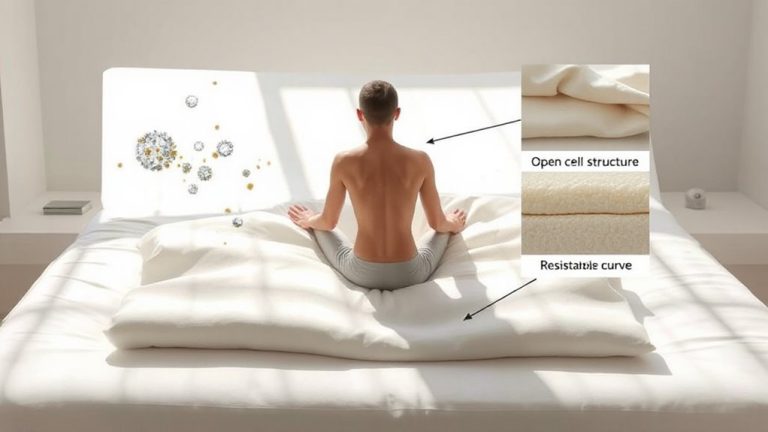
Incorporating Magnesium Into a Pre-Bedtime Stretch Routine
Take magnesium 30–45 minutes before bed to help your muscles relax and support calm nerve function. Pair it with gentle stretches like child’s pose or a seated forward bend to ease tension. Use magnesium glycinate or citrate from a tested brand for better absorption. Avoid intense moves or late dosing to prevent restlessness. Doing this consistently primes your body for deeper sleep-small adjustments can make a noticeable difference over time.
Notable Insights
- Take magnesium 30–45 minutes before bed to optimize absorption and support relaxation.
- Choose magnesium glycinate or taurate for enhanced calm and sleep quality.
- Perform gentle stretches 15–20 minutes before sleep to avoid stimulating the nervous system.
- Avoid intense or bouncing movements that counteract relaxation and hinder sleep onset.
- Combine consistent timing of magnesium and stretching to improve sleep onset and depth.
Why Magnesium Helps You Sleep Better
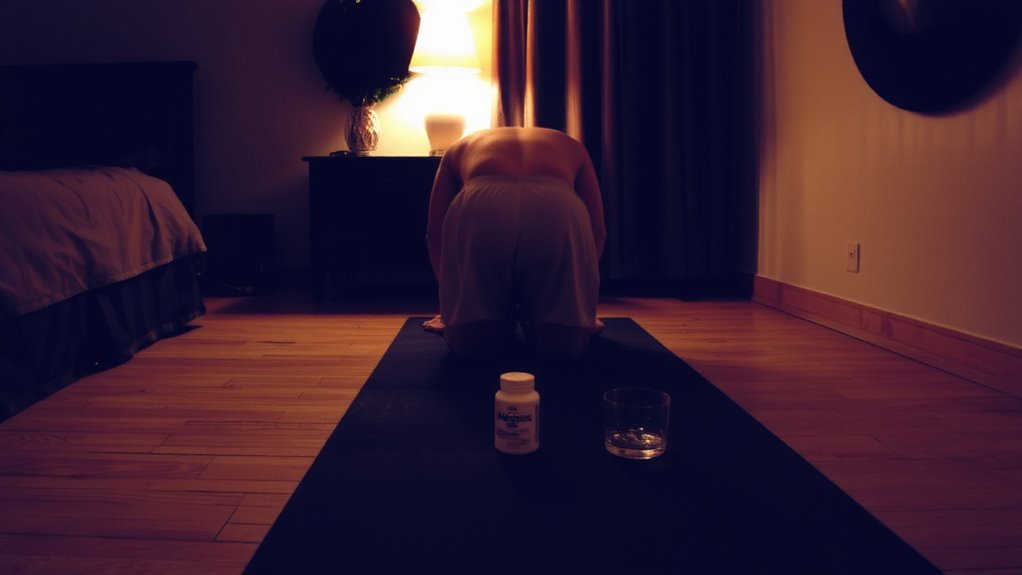
What if the key to falling asleep faster and staying asleep longer isn’t another supplement or sleep tracker, but a mineral your body may already be lacking? Magnesium plays a crucial role in muscle recovery and nerve function, both of which affect your sleep quality. It helps regulate neurotransmitters that signal your body to relax and prepare for rest. Without enough magnesium, your muscles may stay tense, slowing recovery and making it harder to unwind. Poor nerve function can disrupt sleep cycles, leading to frequent awakenings. Studies suggest adequate magnesium supports deeper, more consistent sleep. It’s not a cure-all, but if you struggle with rest, a deficiency might be a contributing factor. You can test this safely through dietary changes or short-term supplementation. Always consider consulting a healthcare provider to rule out underlying conditions. Some research indicates that taking a high-quality magnesium supplement may enhance relaxation and improve sleep onset and duration.
Best Magnesium Sources for Nightly Relaxation
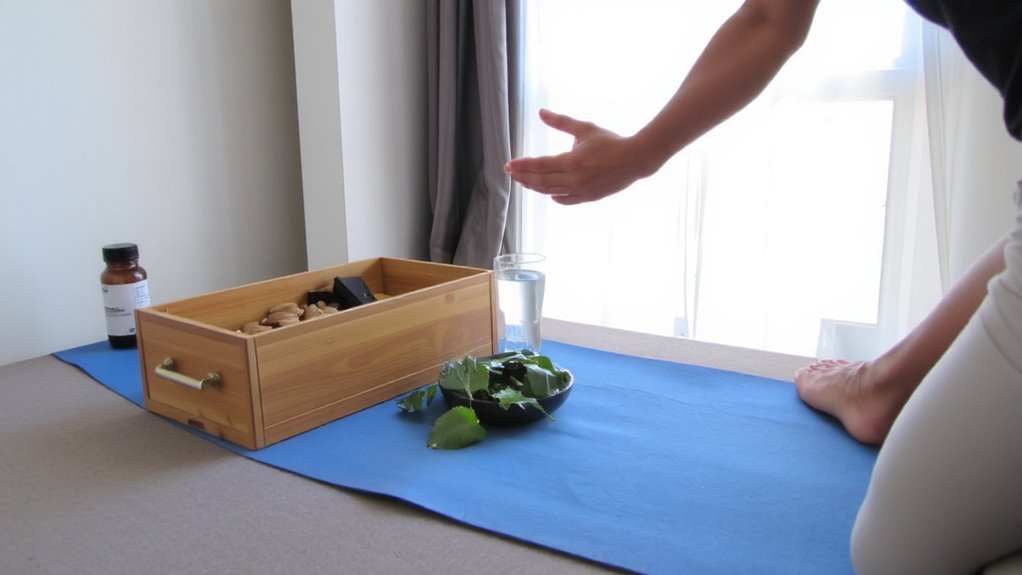
How do you guarantee your body gets enough magnesium to support relaxation each night? You can start by adding magnesium-rich food sources like spinach, almonds, avocado, and black beans to your evening meal. These natural options help boost intake without relying solely on supplements. If dietary magnesium isn’t enough, consider common supplement types such as magnesium glycinate or citrate, both known for their absorption and calming effects. Glycinate is often preferred for sleep support due to its gentle impact on the stomach. When choosing a supplement, check dosage details and look for third-party tested brands to verify quality. Some come with trial periods or satisfaction guarantees, so you can assess effectiveness. Pairing consistent intake with your nightly routine may improve relaxation over time. Always consult a healthcare provider before starting a new sleep aid, especially if you have existing sleep disorders or take other medications. For targeted support, magnesium taurate supplements offer a form of magnesium known for promoting cardiovascular health and supporting neurological calmness.
The 5 Best Stretches to Pair With Magnesium
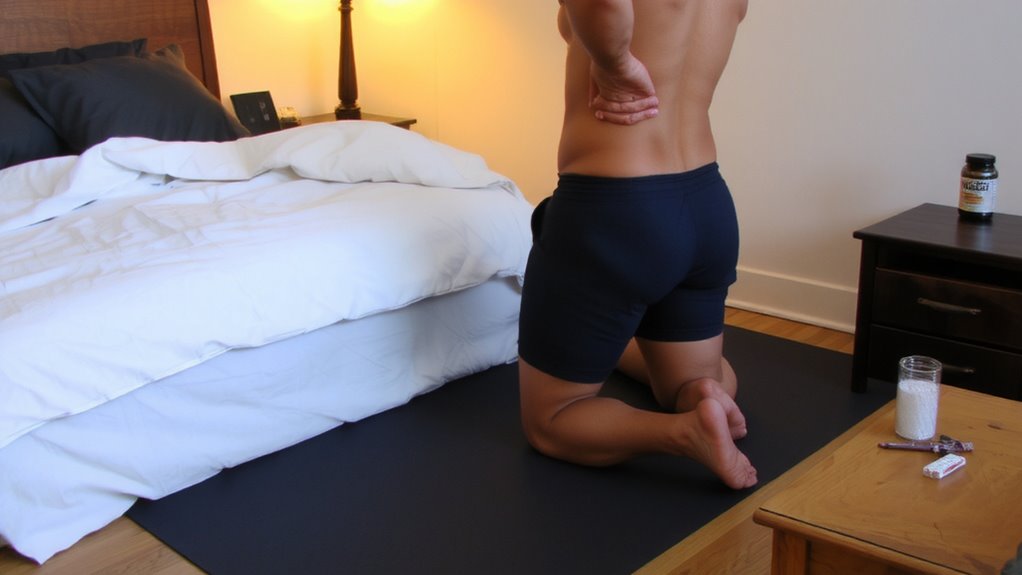
A relaxed body begins with deliberate movement, and pairing magnesium intake with targeted stretches can quietly enhance your nightly wind-down. Try the child’s pose first-kneel down, stretch your arms forward, and lower your chest toward the floor to release lower back tension. Follow with the seated forward bend, where you reach for your toes; this lengthens the spine and calms the nervous system. The supine twist gently eases spinal stiffness-just lie on your back and draw one knee across your body. Add the standing calf stretch against a wall to ease tightness, then finish with the shoulder roll to reduce upper body strain. These moves use dynamic tension to awaken muscle memory, making them more effective over time. Consistent practice builds awareness, helping your body shift smoothly into rest. Each stretch requires no equipment and can be tried safely at home. For enhanced results, consider combining these stretches with best supplements for deep sleep.
When to Take Magnesium and Stretch for Best Results
Why does timing matter when combining magnesium and stretching for sleep? Proper magnesium timing and stretch synchronization help your body wind down efficiently. Taking magnesium 30–45 minutes before bed allows absorption to peak just as you begin relaxing. This supports muscle relaxation and nervous system calm. Doing gentle stretches during this window-about 15–20 minutes before sleep-complements the mineral’s effects. Together, they promote deeper recovery and smoother shifts into rest.
| Action | Ideal Time Before Bed |
|---|---|
| Take magnesium | 30–45 minutes |
| Begin stretching | 15–20 minutes |
| Lights out | 0 minutes (on schedule) |
Aligning magnesium timing with stretch synchronization enhances sleep onset and quality, especially for those with mild sleep onset issues. Try this sequence consistently for at least a week to assess improvements.
Common Magnesium and Stretching Mistakes That Disrupt Sleep
Isn’t it frustrating when a routine meant to help you sleep ends up doing the opposite? Taking magnesium too late can lead to poor timing, leaving you either too alert or experiencing digestive discomfort. You might not realize it, but a magnesium overdose, even in mild forms, can cause restlessness or nighttime awakenings. High doses may also lead to loose stools, disrupting your sleep cycle. Stretching too intensely before bed can have a similar effect-activating your nervous system instead of calming it. Avoid bouncing or deep twists; they signal your body to stay awake. Pairing intense movement with incorrect supplement timing reduces benefits. For steady results, take magnesium earlier in the evening and follow with gentle, static stretches. This balance supports muscle relaxation without overstimulation. Watch dosage recommendations and give your body time to respond. Small, consistent choices shape better sleep habits.
Build Your Magnesium-Enhanced Bedtime Routine
Consistency starts with structure. To build your magnesium-enhanced bedtime routine, focus on both consistent timing and your sleep environment. Begin each night by taking magnesium 30 minutes before bed-this supports muscle relaxation and helps regulate sleep cycles. Follow it with a 10-minute stretching sequence targeting neck, shoulders, and hips to release tension. Keep lights low and screens off to signal your body it’s time to wind down. Over time, this combination may improve sleep quality.
| Step | Time | Purpose |
|---|---|---|
| Take magnesium | 30 min before bed | Supports relaxation |
| Dim lights | 30 min before bed | Prepares sleep environment |
| Stretch major muscles | 10 min | Releases physical stress |
| Lights out | Same time daily | Encourages consistent timing |
On a final note
You’ll sleep better when magnesium and stretching work together. Take a quality supplement 30–60 minutes before bed, then do gentle stretches to ease tension. Choose forms like magnesium glycinate for better absorption and fewer digestive effects. Start slow, track how you feel, and adjust timing or dosage as needed. Consistency matters most-try this routine for at least two weeks to see results.