Exploring How Different Sleeping Positions Affect Breathing During Sleep
Sleeping on your back can let your tongue and soft palate relax into your airway, making breathing harder and worsening snoring or sleep apnea. Side sleeping, especially on your left, keeps your airway more open and reduces breathing interruptions. Stomach sleeping may restrict airflow due to neck twist and face compression. A supportive pillow that aligns your neck can improve airflow. Trying different positions with proper support often leads to better nighttime breathing.
Notable Insights
- Back sleeping can restrict airflow due to tongue and soft palate collapse, worsening snoring and sleep apnea.
- Side sleeping improves airway alignment, reduces tissue collapse, and decreases breathing disruptions during sleep.
- Stomach sleeping may ease breathing slightly but often causes neck strain and spinal misalignment.
- Left side sleeping is most effective for reducing sleep apnea episodes and enhancing respiratory efficiency.
- Proper pillow use supports neutral neck positioning, helping maintain open airways in all sleep positions.
What Happens When You Sleep on Your Back?
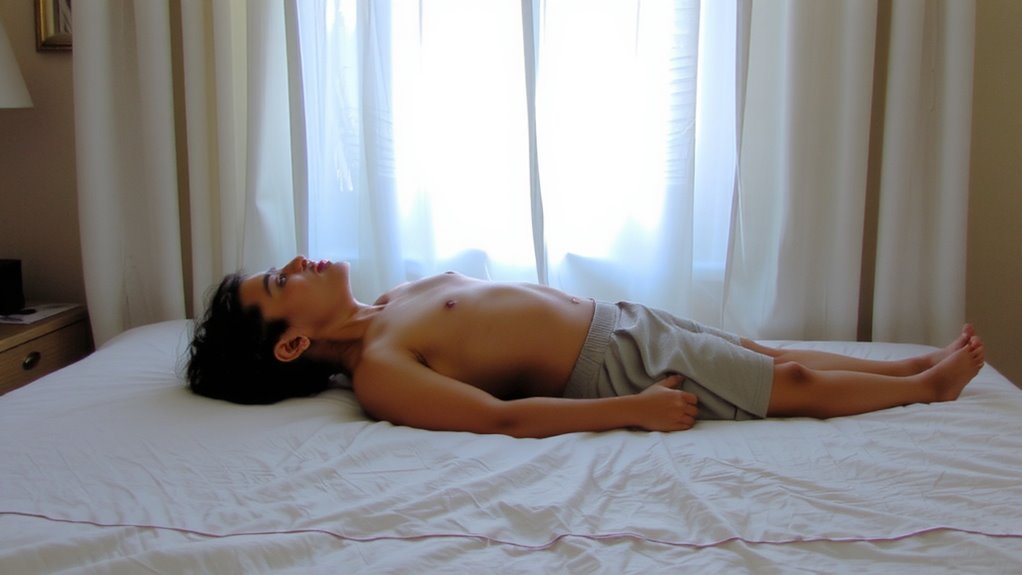
While sleeping on your back might seem like the most natural position, it can affect your breathing in ways you may not expect. Your tongue and soft palate are more likely to relax into your airway, increasing respiratory effort and possibly disrupting oxygen flow. This can fragment your sleep architecture, reducing time in deep and REM stages. Even slight shifts in head position may worsen airflow resistance, especially if you have sleep apnea or nasal congestion. Some people find relief using positional therapy devices designed to discourage back sleeping, often backed by trial periods and adjustable support. Others benefit from CPAP machines that maintain airway pressure. These tools help maintain stable breathing and support better sleep architecture over time. It’s worth testing options under medical guidance to see what improves your comfort and breathing efficiency, without committing to a single solution too soon. One alternative to consider is a best sleep apnea mouthpiece, which can help reposition the jaw to keep the airway open during sleep.
Can Side Sleeping Reduce Snoring and Improve Breathing?

Have you ever wondered why switching to your side might help you breathe easier at night? Changing your sleep posture to side sleeping often improves airway alignment, reducing the likelihood of soft tissues collapsing into your throat. This position supports a more open airway, which can decrease snoring and promote steady breathing throughout the night. Many people find that sleeping on their side helps maintain consistent airflow, especially if they’re prone to mild sleep apnea or nighttime congestion. Unlike back sleeping, side positioning minimizes tongue displacement, enhancing overall airway stability. You might consider trying a body pillow or positional aid to stay on your side comfortably. Some devices are designed specifically to encourage better sleep posture and come with trial periods, so you can assess their effect on your breathing. Experimenting with support tools can offer practical insight into whether side sleeping works for you. Using hypoallergenic allergy pillowcases can further support restful breathing by reducing exposure to common nighttime allergens.
Is Sleeping on Your Stomach Blocking Your Airway?
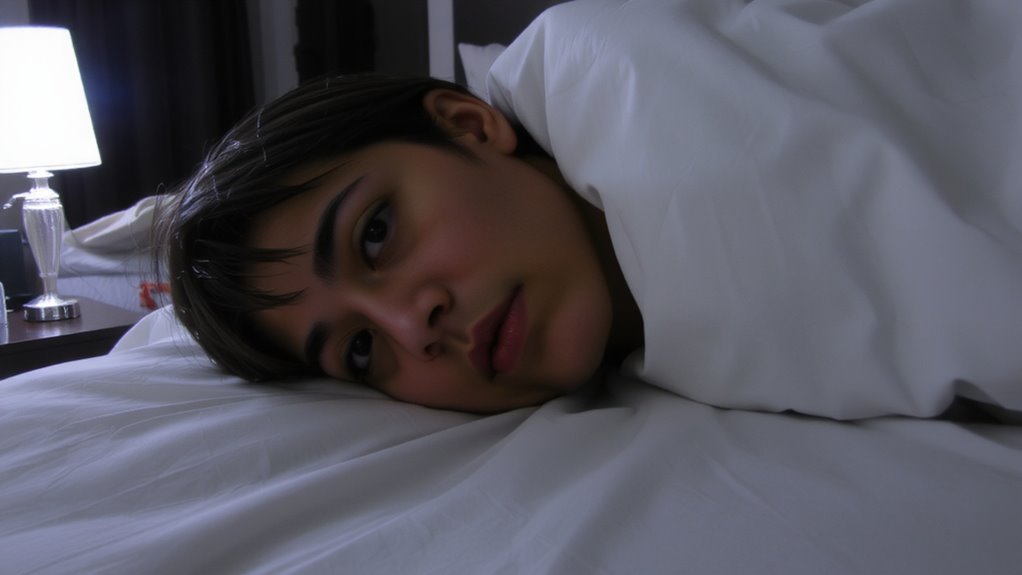
Sleeping on your stomach might seem comfortable, but it can restrict your airway by twisting your neck to one side for hours. This position often causes facial compression, pressing your face into the pillow, which may limit airflow and increase breathing effort. You’re also likely to experience neck strain, as your spine stays twisted through the night, reducing comfort and possibly disrupting sleep quality. While some people breathe fine in this position, others may unknowingly worsen mild breathing issues. Specialized pillows designed to reduce facial compression could help, but results vary. If you prefer stomach sleeping, consider trying a flat pillow or one with a face hole to support better alignment. It’s worth testing how small changes affect your breathing and morning comfort. Always observe your body’s response over several nights to make informed decisions about position or sleep aids. Side sleepers may benefit from higher loft pillows to maintain spinal alignment, and those transitioning from stomach to side sleeping should consider pillow height carefully.
Best Sleep Positions for Sleep Apnea
Why do some sleep positions help with sleep apnea more than others? Because they reduce tongue displacement and lower nasal resistance, keeping your airway more open. When you lie on your back, gravity pulls your tongue backward, narrowing the throat. Side sleeping prevents this shift and supports steady airflow. Here’s how common positions compare:
| Sleep Position | Effect on Sleep Apnea |
|---|---|
| Back | Increases risk due to tongue displacement |
| Stomach | May help, but neck strain can offset gains |
| Left side | Reduces apnea events and improves breathing |
| Right side | Slightly less effective than left, but still good |
| Elevated head | Lowers nasal resistance; aids milder cases |
Try adjustable beds or body pillows to stay on your side. Consistency matters-use positional aids if needed. Test changes over several nights to see what lowers snoring or gasping.
How Pillows Change Your Breathing During Sleep
Your choice of pillow can make a real difference in how well you breathe at night, especially if you’re already adjusting your sleep position to manage apnea symptoms. Pillow height affects your neck alignment-too high or too low can restrict airways, making breathing harder. A properly supported neck keeps your spine neutral, which helps maintain open breathing passages. Material firmness also plays a role: firmer pillows hold shape better, offering consistent support, while softer ones may compress too much, reducing effectiveness. Memory foam adjusts to your shape but may retain heat, whereas latex or shredded foam allows more airflow. Some pillows are designed specifically for sleep apnea, with adjustable height to suit side or back sleepers. Brands often offer trial periods, so test one for a few weeks. Look for products with removable covers and firmness options to match your comfort and breathing needs.
Pick the Right Sleep Position for Better Breathing
How you position your body when you sleep can shape the quality of your breathing throughout the night. If you’re someone who struggles with nasal congestion, sleeping on your back might worsen airflow due to gravity pulling soft tissues slightly inward. Side sleeping often supports ideal alignment of the spine and airway, reducing interruptions in breathing and lessening snoring. For those with sleep apnea or frequent congestion, this position can make a noticeable difference. Stomach sleeping may relieve congestion for some but often strains the neck and spine, disrupting alignment. You’ll want to evaluate a supportive pillow to maintain the natural curve of your neck. Trial different positions over a few nights to assess comfort and breathing ease. Many find relief by combining side sleeping with slightly elevated heads. There’s no one-size-fits-all, but small adjustments can improve your nighttime breathing with no extra gear needed.
On a final note
You might breathe easier by adjusting your sleep position and using supportive pillows. Sleeping on your back can worsen snoring, while side sleeping often improves airflow, especially if you have sleep apnea. Stomach sleeping may strain your neck and restrict breathing. Try a contoured pillow or adjustable bed to maintain alignment. Most pillows last 1–2 years, so replace them when flattened. Test positions gradually and track changes in snoring or morning energy.