How to Wash Wool Blankets Without Felting or Shrinking
Check the care label first to see if your wool blanket is pure wool or a blend, as this affects how it handles water and agitation. Always use cold water and a gentle, enzyme-free detergent made for wool. Wash by hand or on the machine’s delicate cycle, avoiding wringing or twisting. Never put it in the dryer-lay it flat to dry, reshaping it as it dries to maintain its form. You’ll keep it soft and shrink-free with proper care, and there’s more to getting it just right.
Notable Insights
- Check the care label to confirm washing method and avoid heat or agitation that causes felting.
- Identify fiber content, as 100% wool requires more caution than blends to prevent shrinkage.
- Wash in cold water using a delicate machine cycle or hand wash with gentle pressing, not wringing.
- Use a wool-safe, enzyme-free, low-sudsing detergent to protect fibers and ensure thorough rinsing.
- Dry flat away from heat, reshape while damp, and allow 24–48 hours for even air drying.
Check the Care Label on Your Wool Blanket
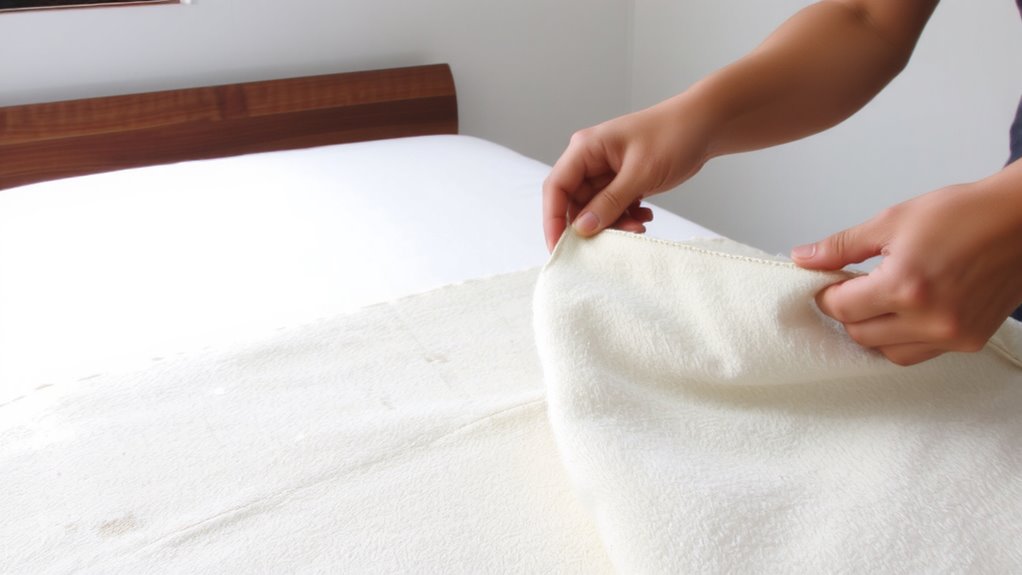
Why risk damaging your wool blanket when the answer is right in front of you? Flip it over and check the care label-it’s the simplest step you can take to protect your investment. The label lists the fabric type and important care symbols that guide how to clean it safely. These symbols tell you if the blanket is machine washable, needs hand washing, or requires dry cleaning. Ignoring them could lead to shrinking or felting, especially with pure wool. You’ll often see icons for water temperature, tumble drying, and ironing-each one critical. Since wool responds poorly to heat and agitation, following these symbols helps maintain softness, shape, and performance. Taking a moment to read them guarantees your blanket stays comfortable for years, supporting restful sleep without unnecessary damage. That small check makes all the difference.
Know If It’s 100% Wool or a Blend
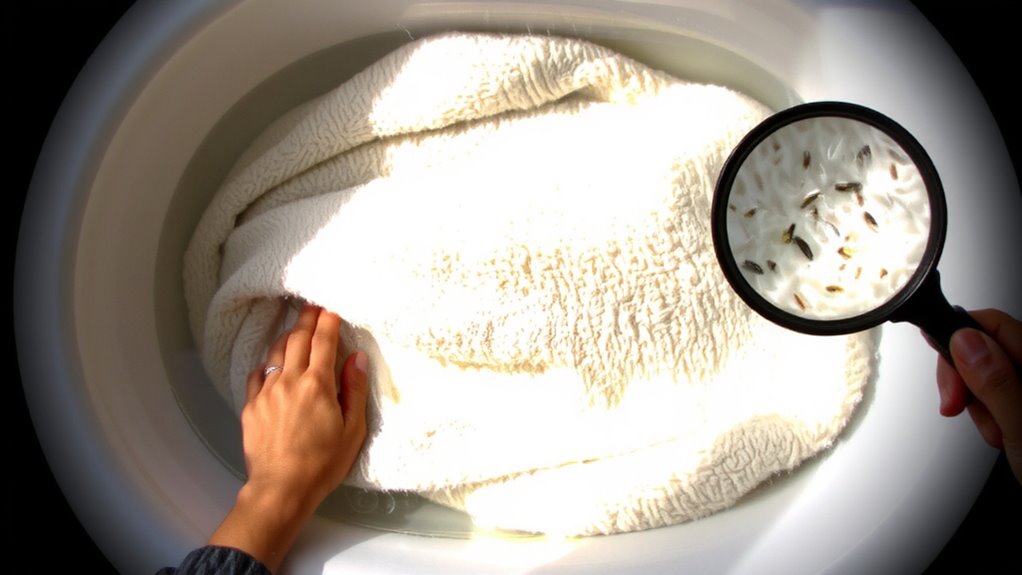
You’ve checked the care label, and now it’s time to look a little deeper at what your blanket is actually made of. Knowing the fiber content helps prevent damage during cleaning. A 100% wool blanket behaves differently than a wool blend, especially when exposed to moisture and agitation. Consider the garment history-how it’s been stored, used, or washed before-as this affects durability. Blends with synthetic fibers may resist shrinking but lose some natural breathability. Below is a quick comparison:
| Fiber Type | Shrink Risk | Breathability |
|---|---|---|
| 100% Wool | High | Excellent |
| Wool-Polyester | Medium | Good |
| Wool-Cotton | Low-Medium | Fair |
Understanding fiber content and garment history guides safer care choices and helps maintain comfort over time.
Wash in Cold Water (By Hand or Machine)
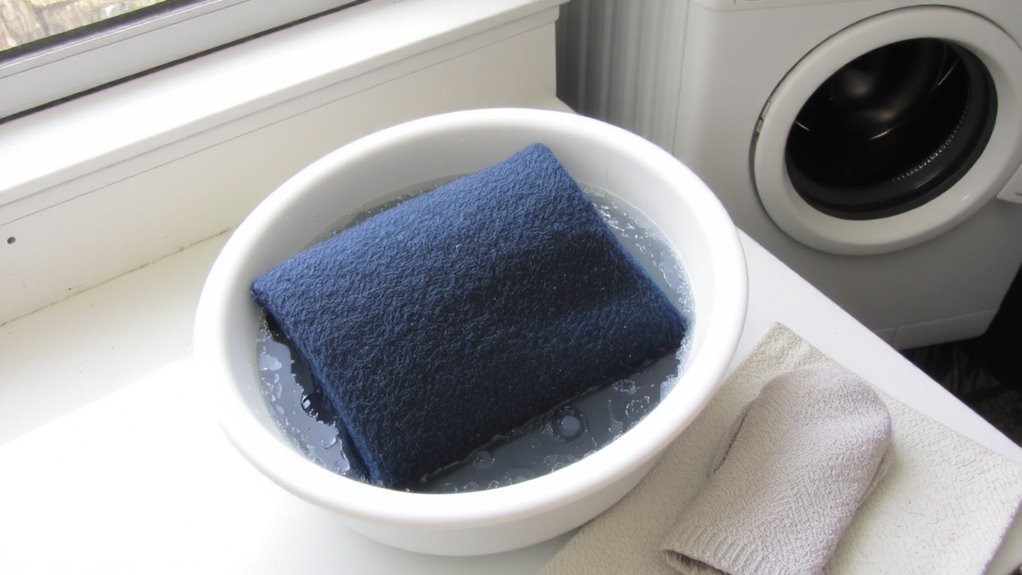
When washing your wool blanket, sticking to cold water is essential to prevent shrinkage and fiber damage, especially since wool responds poorly to heat and agitation. Whether you’re using a machine or washing by hand, keep the water cold and the movement to a minimum. If machine washing, select the delicate cycle with gentle agitation-this reduces stress on the fibers. For hand washing, lightly press the blanket in the water instead of wringing or twisting. Avoid soaking it for long periods, as extended moisture exposure can weaken the wool and encourage felting. Fill the tub just enough to submerge the blanket briefly, then drain promptly. Use slow, careful motions to maintain the fabric’s structure. Always support the blanket’s weight when wet to prevent stretching. Cold water helps preserve softness and shape, making it easier to care for over time. This method keeps your blanket cozy and reliable for restful nights.
Use a Wool-Safe Detergent Only
A small amount of the right detergent can make all the difference in keeping your wool blanket soft and structurally sound. Always choose a detergent labeled for wool, with an enzyme free formula-these enzymes in regular detergents break down natural fibers and can weaken your blanket over time. Your washing method, whether hand or machine, should rely on gentle agitation to preserve the weave. Even agitation that feels mild to you might stress wool if the wrong detergent is used. Below are key features to look for:
| Feature | Why It Matters |
|---|---|
| Enzyme free formula | Protects wool fibers from breakdown |
| pH-balanced | Prevents fiber distortion and color fade |
| Low suds | Rinses cleaner, less residue |
| Gentle agitation compatible | Works with hand or machine wash |
Use only a capful-more isn’t better. Excess detergent is hard to rinse and may degrade fibers over time.
Dry Your Wool Blanket Flat: Never in the Dryer
Because wool fibers are sensitive to heat and agitation, drying your blanket in a machine can cause irreversible shrinkage and damage, so it’s best to air-dry it flat. Lay it on a clean, dry surface like a drying rack or spare bed, reshaping it gently to its original dimensions. Good air circulation helps speed up drying while reducing the risk of mildew, so choose a well-ventilated room-never direct sunlight, which can weaken fibers. Flip the blanket halfway through to guarantee even moisture control on both sides. Avoid hanging it, as the weight of trapped water may stretch the fabric out of shape. Depending on thickness and humidity, drying may take 24 to 48 hours. Patience here preserves softness, structure, and longevity. Proper air circulation and moisture control aren’t just practical-they’re essential for maintaining your blanket’s performance and comfort over time. For those seeking durable and ethically produced options, consider exploring Top Wool Blankets Made in the USA.
Refresh It Between Washes Without Water
While your wool blanket doesn’t need frequent washing, it can still pick up odors or lose its freshness over time-so giving it a quick, water-free refresh keeps it comfortable and hygienic between deep cleanings. Airing blankets outdoors for a few hours helps remove moisture and neutralize smells naturally, especially in cool, dry air with light breeze. Just lay it flat or drape it over a clean railing, avoiding direct sunlight to prevent fiber damage. You’ll notice the fabric feels lighter and smells cleaner almost instantly. For surface debris or flattened fibers, brushing fabric gently with a soft-bristle clothes brush restores loft and texture. This also helps distribute natural lanolin oils, maintaining softness. These simple steps extend time between washes, reduce wear, and support long-term durability without stressing the fibers. You’ll maintain performance and comfort while minimizing shrinkage risks.
On a final note
Always check the label and treat wool with care to avoid shrinking. Wash by hand or on a gentle cycle using cold water and a mild, wool-safe detergent. Never wring or twist-press out water gently. Dry flat to maintain shape and texture. When possible, air out between washes to freshen. With proper care, your wool blanket stays soft, durable, and warm for years.