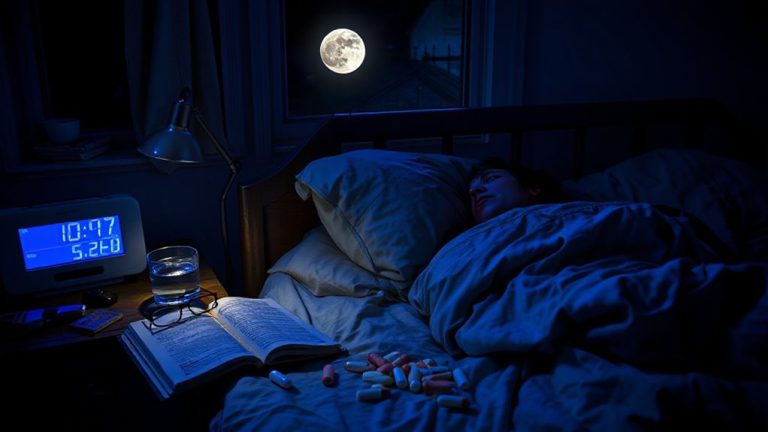
Why Narcolepsy Patients May Experience Sleep Terrors
You’re more likely to experience sleep terrors with narcolepsy because your brain struggles to control sleep stages smoothly. Sudden shifts between wakefulness and deep sleep can trigger episodes of intense fear, screaming, or thrashing-often without memory afterward. REM sleep fragments may intrude into non-REM cycles, destabilizing sleep and increasing arousal confusion. Poor sleep quality, stress, or irregular schedules raise your risk. Managing sleep routine and reducing triggers helps improve nighttime stability, and exploring how these patterns connect could clarify your next steps.
Notable Insights
- Narcolepsy disrupts sleep architecture, increasing vulnerability to non-REM arousal disorders like sleep terrors.
- Frequent sleep stage shifts in narcolepsy raise the likelihood of partial awakenings during deep sleep.
- Sleep fragmentation prevents restorative slow-wave sleep, promoting conditions for sleep terror episodes.
- Emotional stress and poor sleep quality in narcolepsy further destabilize sleep and trigger arousals.
- REM intrusion may blur sleep stages, intensifying fear experiences during transitions from deep sleep.
What Are Sleep Terrors?
Ever woken up in a panic, heart racing, unsure what just happened? You might’ve experienced sleep terrors, a type of arousal disorder where your brain gets stuck between deep sleep and wakefulness. These episodes usually occur during the first third of the night, when sleep architecture is rich in slow-wave sleep. Unlike nightmares, sleep terrors rarely involve detailed dreams, and you likely won’t remember them. They’re more common in children but can persist or start in adulthood, especially with stress, sleep deprivation, or disrupted sleep schedules. Because they’re tied to sleep cycles, improving sleep hygiene-like keeping a regular bedtime or reducing screen time-can reduce frequency. Sleep aids or medications aren’t first-line fixes, but doctors may recommend evaluation through sleep studies if episodes continue. Monitoring and adjusting your sleep environment could help manage arousal disorders effectively over time.
Sleep Terrors vs. Nightmares: Key Differences
Sleep terrors and nightmares can both disrupt rest, but they stem from different stages of sleep and affect you in distinct ways. Nightmares occur during REM sleep and often involve vivid, disturbing stories tied to emotional stress. You usually wake up remembering them clearly. Sleep terrors happen in deep non-REM sleep, often with screaming or thrashing-though you likely won’t recall the episode. Environmental noise can trigger either, especially if you’re sensitive or sleep-deprived.
| Feature | Sleep Terrors | Nightmares |
|---|---|---|
| Sleep Stage | Non-REM (deep sleep) | REM |
| Memory of Event | Rarely remembered | Clearly recalled |
| Triggers | Fatigue, environmental noise | Emotional stress, anxiety |
Recognizing these differences helps guide better sleep habits and decisions about seeking care.
Why Narcolepsy Triggers Sleep Terrors?
Because narcolepsy disrupts the brain’s control over sleep-wake cycles, it can cause sleep stages to shift unpredictably, increasing the chance of events like sleep terrors. You might notice these episodes happen more often when emotional stress is high, as stress worsens your sleep quality and triggers instability in your sleep patterns. Sleep fragmentation-a common issue in narcolepsy-means your rest is frequently interrupted, preventing deep, restorative sleep and making night terrors more likely. When your brain doesn’t stay in a stable sleep phase, the risk of sudden partial awakenings rises, especially during shifts. Managing emotional stress through therapy or mindfulness, and improving sleep hygiene, can reduce fragmentation. Consider tracking your sleep and discussing patterns with a specialist. Some find relief with regulated sleep schedules or prescribed interventions, though results vary. Always consult a professional before trying new sleep aids or treatments.
How REM Intrusion Causes Nighttime Terror?
What makes REM intrusion so disruptive to sleep stability? It occurs when REM sleep, usually reserved for later in the night, breaks into wakefulness or other sleep stages. For you, this means vivid dreams can surface while you’re partially awake, fueling nighttime terror. This REM intrusion blurs the line between dreaming and reality, heightening fear. Nocturnal disruptions follow, often without full recall, leaving you exhausted. These episodes aren’t just unsettling-they interfere with consistent rest. The brain’s normal safeguards, like muscle paralysis during REM, may activate at the wrong time, increasing confusion. Managing REM intrusion involves tracking sleep patterns and consulting a specialist. Treatments might include scheduled naps, medication adjustments, or sleep aids with proven REM regulation. Always review trial periods and warranties when considering devices. Understanding your sleep architecture helps you make informed choices about interventions, balancing benefits and risks to improve rest.
Sleep Terrors or Hallucinations? How to Tell?
How can you tell whether that intense nighttime episode was a sleep terror or a hallucination? Sleep terrors usually happen during non-REM sleep and involve a strong fear response-you might scream, sweat, or thrash without being fully awake. You likely won’t remember details the next morning. Hallucinations, often tied to narcolepsy, occur when waking or falling asleep and feel vividly real, with detailed images, sounds, or sensations. They’re commonly triggered by emotional triggers like stress or irregular sleep. Unlike sleep terrors, you’ll recall the episode clearly. Recognizing the timing and content helps differentiate them. If episodes disrupt your rest, consider tracking sleep patterns and discussing them with your doctor. Accurate identification guides treatment choices, from improving sleep hygiene to evaluating sleep aids or medications. Monitoring symptoms helps determine whether to adjust lifestyle factors or seek further evaluation.
Why Sleep Paralysis Fuels Fear in Narcolepsy?
Ever woken up unable to move, speak, or escape a crushing sensation on your chest? That’s sleep paralysis, and when you have narcolepsy, it hits harder. Your brain’s neurological sensitivity makes these episodes more frequent and intense, often sparking intense fear. You’re awake but trapped, and that helplessness can leave lasting emotional trauma, especially if episodes repeat. The fear isn’t just in the moment-it can make you dread bedtime, disrupting sleep even more. Because your sleep-wake cycles are already unstable, calming strategies matter. Practicing good sleep hygiene, keeping a consistent schedule, and trying relaxation techniques may reduce episodes. Some find relief with doctor-approved sleep aids that stabilize REM cycles. Though no device cures it, tools like white noise machines or weighted blankets might ease anxiety. Talk to your provider about treatment plans, including therapies with solid trial results and clear safety guidelines.
What Triggers Sleep Terrors in Narcolepsy?
Why do sleep terrors strike when you’re already struggling with narcolepsy? It’s tied to unstable brain chemistry that disrupts normal sleep-wake cycles. Your brain may slip into REM sleep too quickly, blending dream content with partial arousal. This mix can trigger intense fear, even if you don’t recall details. Sudden shifts in brain chemistry-especially in neurotransmitters like hypocretin-play a big role. These imbalances make your sleep architecture fragile, raising the odds of sleep terrors. Stress, irregular schedules, or poor sleep hygiene can worsen it. Monitoring your sleep patterns helps identify triggers. Some find relief with consistent bedtime routines or prescribed medications that stabilize REM cycles. Devices like sleep trackers offer data to guide treatment. Always consult a sleep specialist to weigh options, including therapy or sleep aids with trial periods and medical oversight, ensuring safer, more restful nights.
On a final note
You might confuse sleep terrors with nightmares, but they’re different-terrors happen in non-REM sleep and often involve intense fear, screaming, or confusion. Narcolepsy can trigger them due to disrupted sleep cycles and REM intrusion. Sleep paralysis and hallucinations may add to nighttime fear. Consider tracking symptoms and discussing sleep aids or therapy with a doctor. Many treatments offer trial periods and clear warranties, helping you find safe, effective support for better rest.