How Light Therapy Can Help Reset Your Body’s Internal Clock During Jet Lag Situations
Light therapy helps reset your internal clock by exposing you to bright, full-spectrum light that mimics sunlight, signaling your brain to suppress melatonin and boost alertness. Use a 10,000-lux light box for 20–30 minutes soon after waking, especially when natural light isn’t available. Morning light eases eastward jet lag, while evening exposure helps westward travel. Pick a portable, rechargeable lamp with UV filters and an adjustable stand. Many models are FDA-registered and come with warranties or trial periods to test effectiveness. Small adjustments in timing and device choice make a noticeable difference in how quickly you adapt-there’s more to take into account for travel-specific strategies.
Notable Insights
- Light therapy helps reset the internal clock by exposing users to bright, full-spectrum light that mimics natural sunlight.
- Morning light exposure after eastward flights advances circadian rhythms, helping the body adjust to earlier time zones.
- Evening light exposure after westward flights delays the internal clock, aiding adaptation to later sleep schedules.
- Using a 10,000 lux light box for 20–30 minutes at the right time enhances alertness and aligns circadian rhythms.
- Avoiding evening light and using therapy during targeted windows prevents melatonin disruption and supports faster jet lag recovery.
Why Light Therapy Beats Jet Lag
Light exposure plays a key role in syncing your internal clock, and that’s where light therapy shines. When you travel across time zones, your body faces circadian disruption, leaving you tired or alert at the wrong times. Light therapy helps by delivering bright, full-spectrum light that mimics sunlight, triggering your brain to reduce melatonin suppression early in the day. This shift tells your body it’s time to wake up, even if you’ve just landed. You can use a light box for 20–30 minutes each morning, ideally within an hour of waking. Most models are portable, with UV filters for eye safety. Look for devices with at least 10,000 lux intensity and a clean, wide light field. Many come with a warranty and adjustable brightness. Used consistently, light therapy offers a non-invasive, drug-free way to adjust your rhythm after travel.
When to Use Light Therapy After Flying
Once you land, timing your light therapy right can make a real difference in how quickly you adjust. To support circadian alignment, start light exposure based on your destination’s time zone. Using a light therapy device within the first few hours after waking helps signal your body that it’s time to be alert. This short burst of bright light can improve your sleep quality at night and reduce insomnia symptoms. Be consistent-use it daily during the first few days after flying.
| Time After Landing | Purpose |
|---|---|
| 0–1 hour | Boost alertness |
| 1–2 hours | Begin circadian shift |
| Morning (local time) | Promote circadian alignment |
| Early afternoon | Moderate light exposure |
| Evening | Avoid bright light |
This structured approach supports better sleep and eases adjustment.
Morning or Evening Light: East vs. West Flights
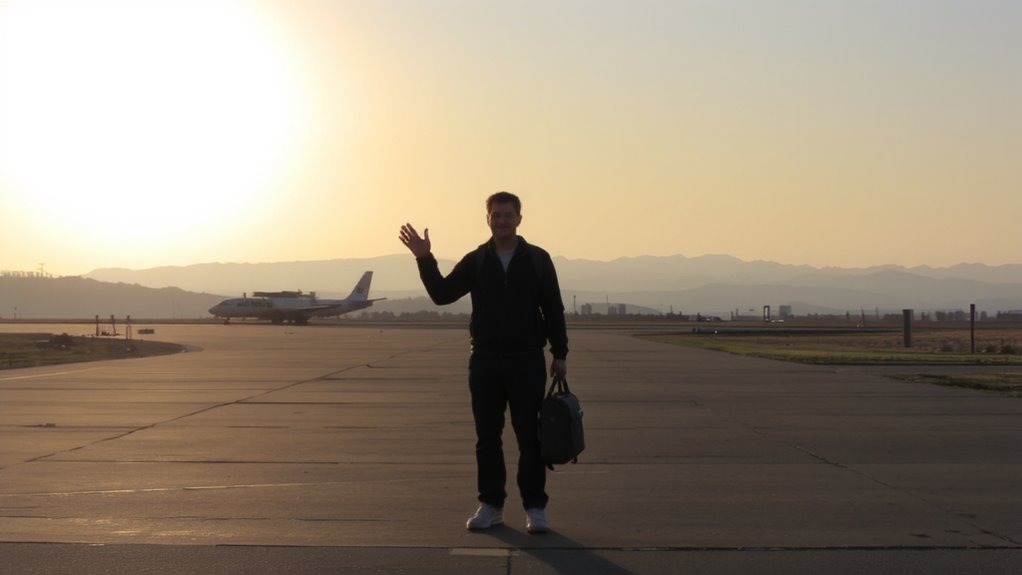
You’ll want to time your light exposure based on which direction you’ve flown, since eastward and westward trips disrupt your internal clock in different ways. For eastbound flights, your body loses time, making it harder to fall asleep early-morning light helps by giving your brain strong eastbound cues to start the day sooner. This shifts your rhythm forward, aligning with local time faster. Westbound trips stretch your day, causing westbound delays in your cycle, so evening light exposure works better. It tells your brain the day is still going, delaying melatonin and helping you stay awake until bedtime. Use light therapy shortly after sunrise when traveling east, or in the late afternoon when heading west. This simple timing adjustment supports smoother shifts, reduces fatigue, and improves sleep quality without medication. Consistency matters, so aim for daily sessions during the first few days. For optimal results, consider using a best sleep therapy light designed to deliver clinically effective light intensity.
How to Choose a Travel-Friendly Light Therapy Lamp
A good travel-friendly light therapy lamp can make adjusting to a new time zone easier, especially when you’re on the move. Look for a model with a portable design so it fits in your bag without adding bulk. A lightweight, foldable, or compact build helps it stay protected and accessible. Battery life matters-choose one with a rechargeable battery that lasts several sessions on a single charge, just in case outlets aren’t handy. Make sure it delivers 10,000 lux of bright white light, the standard intensity for effective use. Check whether it’s FDA-registered and offers a trial period or warranty, so you can test it risk-free. Some lamps include adjustable brightness or glare-free screens, which help during short or repeated use. Prioritize build quality and reliable performance, since durability makes a difference when traveling frequently.
Create a Pre- and Post-Flight Light Schedule
If you’re heading into a new time zone, shifting your light exposure before and after your flight can ease the shift by aligning your body’s internal clock with local daylight hours. Start adjusting your sleep timing a few days early-gradually move your bedtime closer to your destination’s schedule. Use bright light exposure in the morning if you’re traveling east, or in the evening for westward trips. This helps reset your circadian rhythm. After landing, get natural sunlight during daylight hours, even if you’re tired. Avoid bright screens at night since they delay sleep timing. If natural light isn’t available, use your travel-friendly light therapy lamp for 20–30 minutes at the right time. Consistent light exposure and disciplined sleep timing improve adaptation. It may take a few days, but sticking to the schedule supports faster, smoother alignment without relying on sleep aids.
On a final note
You can ease jet lag by using light therapy wisely. Adjust your exposure based on whether you’ve flown east or west-morning light helps westward trips, evening light suits eastward ones. Pick a compact lamp with at least 10,000 lux, tested for durability and backed by a solid warranty. Follow a pre- and post-flight schedule to support your body’s shift. Trial different timings to find what works best for your sleep rhythm.