Sleep Optimization for Middle-Aged Adults With Multiple Responsibilities
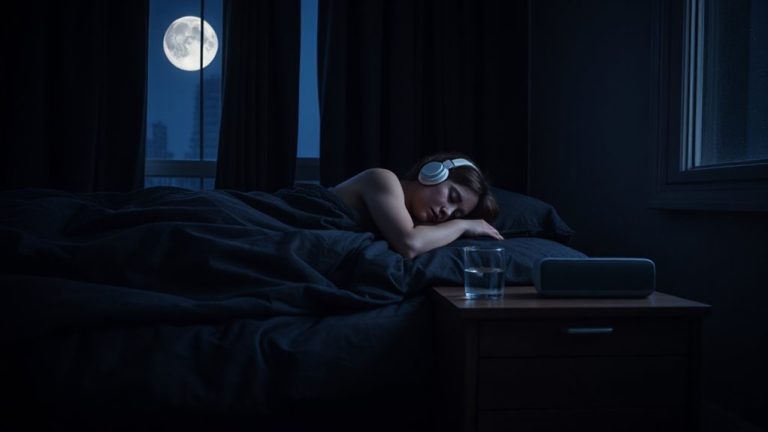
You’re likely noticing sleep changes in your 40s and 50s due to shifting hormones, stress, and aging bodies. Prioritize consistent bedtimes, even on weekends, to stabilize your internal clock. Try a 10-minute breathing routine to ease nighttime anxiety and track sleep patterns to spot disruptions. Keep screens off 30 minutes before bed and aim for a cool, dark room around 65°F. Supportive mattresses and breathable bedding help comfort as your body changes. If you’re still tired despite enough sleep, or notice snoring or leg twitching, it’s worth checking for sleep apnea or restless legs. Small adjustments can improve rest, especially when you know which signs point to deeper issues-next steps become clearer with the right clues.
Notable Insights
- Prioritize consistent sleep and wake times, even on weekends, to regulate your body’s internal clock.
- Create a wind-down routine by reducing screen time and practicing mindful breathing to ease evening stress.
- Optimize your bedroom environment with a cool temperature, blackout curtains, and comfortable, supportive bedding.
- Track sleep patterns and daily energy levels to identify disruptions related to hormones or lifestyle demands.
- Consult a doctor if fatigue persists despite adequate sleep, especially with snoring or leg discomfort at night.
Why Sleep Gets Harder in Your 40s and 50s (And How to Fight It)
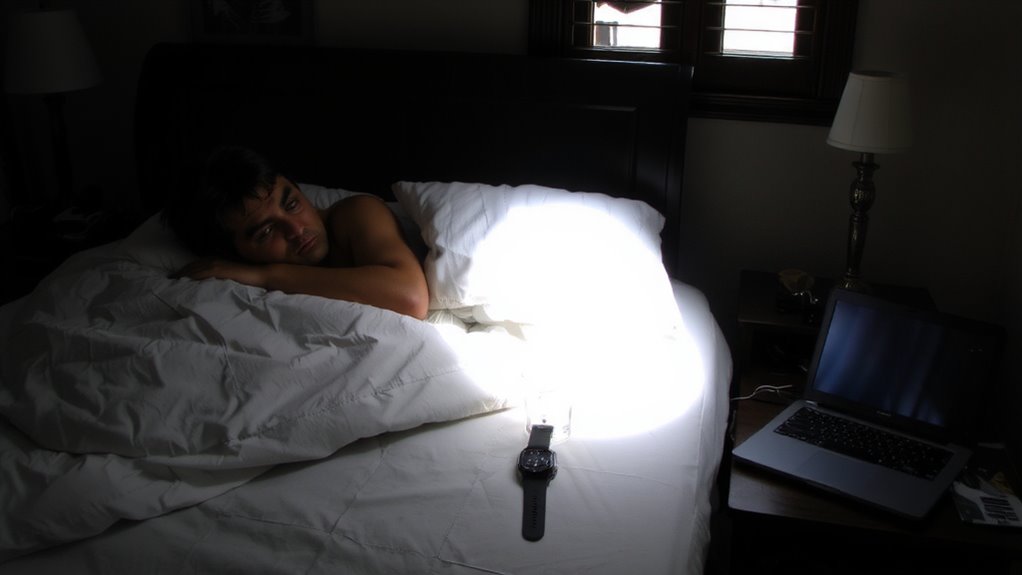
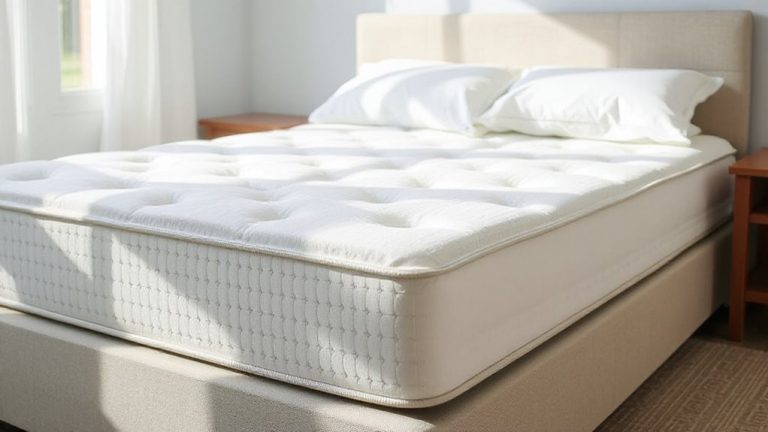
While aging naturally affects your sleep patterns, you’re not powerless to improve rest as you enter your 40s and 50s. Hormonal shifts, like declining estrogen and testosterone, can disrupt your sleep architecture, reducing deep sleep and causing more nighttime awakenings. You might notice you fall asleep slower or feel less rested, even after similar hours in bed. These changes are normal, but that doesn’t mean you should ignore them. Evaluating your sleep quality helps determine if adjustments are needed-like adjusting room temperature or limiting alcohol. Over-the-counter sleep aids may offer short-term help, but check with your doctor, especially if taking other medications. Some prescription options target hormonal imbalances, and many come with trials or money-back guarantees. Consider wearables that track sleep stages to monitor changes over time. Choices depend on your symptoms, health, and lifestyle, so review benefits and side effects carefully. A supportive best-rated mattress can significantly improve sleep comfort and spinal alignment.
Calm Your Mind and Balance Hormones for Better Sleep
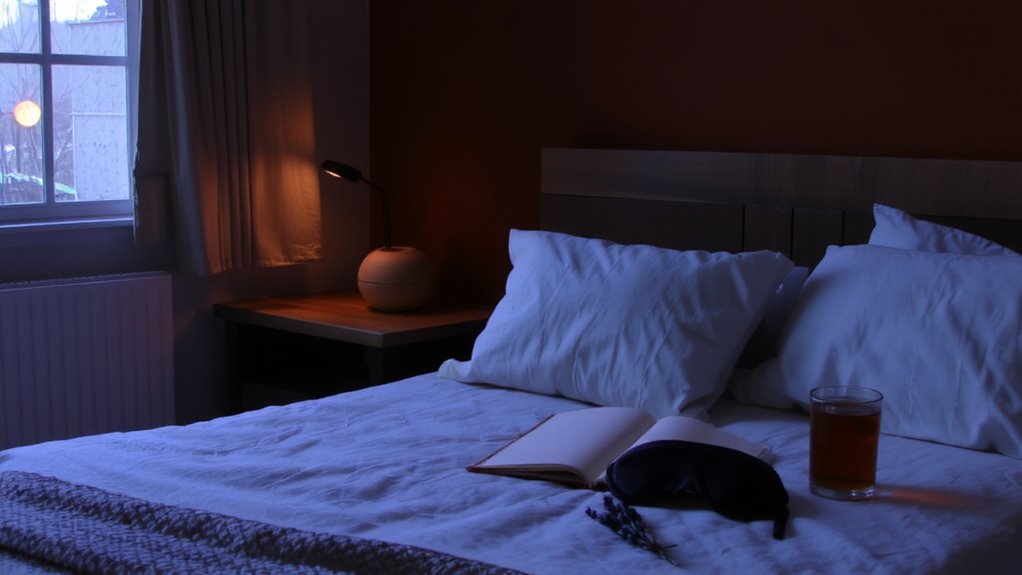
You’re not imagining it-sleep can feel like a moving target in your 40s and 50s, and the mental chatter or hormonal shifts you’re experiencing might be part of the reason. Calming your mind with mindful breathing can reduce nighttime anxiety and ease your shift into rest. Just five to ten minutes nightly, focusing on slow, deep breaths, helps signal your nervous system to relax. Hormone tracking offers insight into how cortisol, melatonin, or sex hormone fluctuations may affect your sleep cycle. Using logs or apps, you can identify patterns linked to mood, energy, or wakefulness. This data informs discussions with healthcare providers about possible imbalances. Rather than assuming supplements or medications are needed, start with these non-invasive strategies. They’re low-risk, cost little, and require minimal time. Tracking outcomes over two to three weeks helps determine what’s effective. Some people may also benefit from targeted support like best magnesium supplements during menopause to help regulate sleep and mood.
Build a Realistic Sleep Routine (Despite a Busy Life)
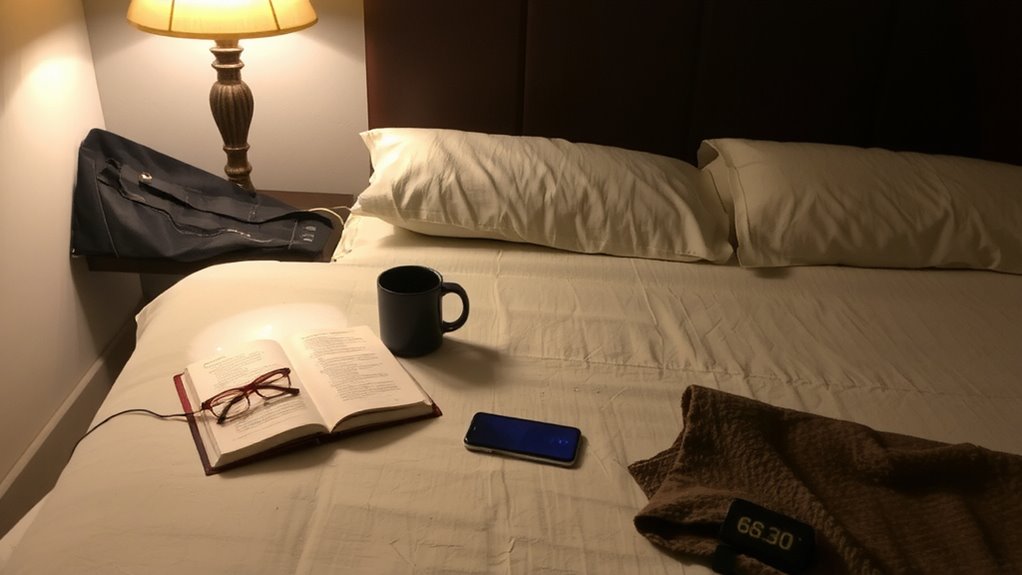
How do you carve out time for sleep when your schedule feels packed from morning to midnight? Start by setting a realistic bedtime that fits your actual life, not an ideal one. Bedtime consistency helps regulate your body’s clock, so aim to sleep and wake at the same time daily, even on weekends. Use sleep tracking to observe patterns-how long you sleep, how often you wake, and how rested you feel. This data helps you adjust wisely. Maybe you need 30 minutes less screen time or a short wind-down routine. Small changes add up. Prioritize what works long-term over quick fixes. Trial adjustments for at least a week to assess impact. There’s no perfect schedule, just one that supports your energy and health with steady habits and informed tweaks. A cool, quiet bedroom environment can enhance sleep quality, so consider using a best tower fan for consistent airflow without disruptive noise.
Make Your Bedroom Work for Your Aging Body
Since your body’s sleep needs change with age, adjusting your bedroom environment can make a real difference in rest quality. You may find it harder to fall or stay asleep, so consider ergonomic furniture that supports your joints and spine-like a mattress with pressure relief and adjustable bases that reduce strain. Look for models with trial periods, so you can test comfort over time. Temperature regulation is also key; your body’s ability to manage heat shifts as you age. Choose breathable bedding, moisture-wicking pajamas, and keep the room between 60–67°F. A fan, cooling mattress pad, or breathable cotton layers can help maintain steady sleep temperatures. Blackout curtains and noise-reducing materials minimize disruptions. Test changes one at a time to see what improves your sleep. A few smart upgrades can align your space with your body’s evolving needs.
When to See a Doctor: Sleep Disorders in Midlife
If you’ve noticed your sleep isn’t as restful as it used to be, it might be more than just aging at play-some changes could point to a treatable sleep disorder. You should talk to a doctor if you often feel tired despite getting enough sleep, or if your partner says you snore loudly or stop breathing during the night-these are signs of sleep apnea. That condition disrupts breathing and can be managed with devices like CPAP machines once diagnosed. Also, if you get an uncomfortable urge to move your legs at night, especially with a tingling sensation, that might be restless legs syndrome. Both issues are common in midlife and can affect your energy and focus during the day. A sleep study may be recommended to confirm the problem. Treatment options vary, but many people see real improvement with proper diagnosis and care. Don’t ignore persistent symptoms-they’re worth checking out.
On a final note
You might sleep less deeply now, but small, consistent changes can help. Prioritize a set bedtime, even on busy days, and limit screen use before bed. Try relaxation techniques if your mind races. If fatigue persists despite good habits, talk to your doctor about sleep disorders or safe aid options. Many treatments have trial periods or warranties, so test them fairly. Comfortable bedding, cool temps, and dark rooms often improve rest without medication.