Navigating the Challenges of Insomnia Through Cognitive Behavioral Therapy Techniques
You can tackle insomnia by using cognitive behavioral therapy techniques like CBT-I, which improves sleep without relying on medications. It works by adjusting your bedtime habits, limiting time in bed to boost sleep efficiency, and retraining your brain to link bed with sleep. You’ll learn to reduce worry about sleeping, follow consistent schedules, and use relaxation methods. These strategies build long-term skills, offering results that last. There’s more to discover about making them work for you.
Notable Insights
- CBT-I addresses insomnia’s root causes by reshaping sleep habits and thoughts, unlike medications that only mask symptoms.
- Sleep restriction increases sleep efficiency by limiting time in bed to actual sleep duration, boosting sleep drive over time.
- Stimulus control strengthens the bed-sleep connection by using the bed only for sleep and sex, reducing wakefulness.
- Managing sleep anxiety with relaxation techniques reduces arousal and improves sleep onset without performance pressure.
- Consistent routines, sleep journals, and environmental adjustments help sustain long-term improvements from CBT-I strategies.
What Is CBT-I and Why It Beats Sleep Meds

Ever wondered why you’re still tired despite taking sleep meds night after night? You might be overlooking a more effective solution: cognitive behavioral therapy for insomnia (CBT-I). Unlike medications, which mask symptoms, CBT-I targets the root causes of sleep problems. It combines tools like sleep hygiene-habits that support consistent rest-and relaxation training, which helps quiet your mind and body. You learn to reframe negative thoughts about sleep, improve your wind-down routine, and build a healthier relationship with bedtime. Studies show CBT-I often works better long-term than pills, with fewer side effects. You don’t just depend on a drug; you develop skills you can use for life. It takes effort and practice, but the payoff is real, lasting improvement. If you’re weighing options, consider trying CBT-I-many find it’s the change they’ve been looking for.
Why Limiting Time in Bed Helps You Fall Asleep Faster
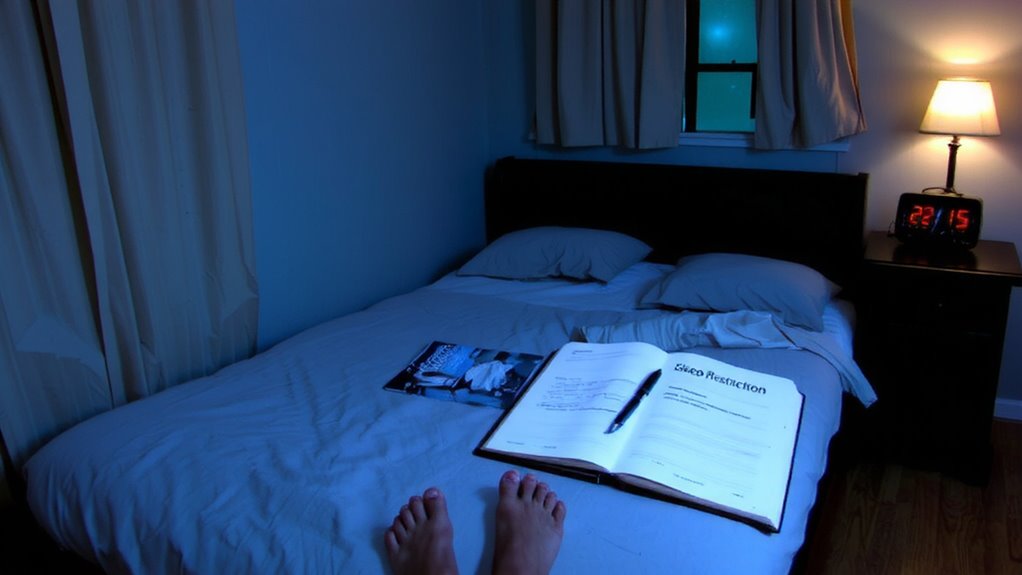
When you spend too much time lying awake in bed, your brain starts to associate the bed with wakefulness instead of sleep, which can make falling asleep even harder over time. Sleep restriction helps reset this pattern by limiting your time in bed to match your actual sleep need. This boosts bedtime efficiency-the percentage of time in bed actually spent sleeping. Higher efficiency strengthens the bed-sleep connection, so you fall asleep faster. You’ll likely feel more tired at first, but consistency improves sleep drive and quality.
| Sleep Time (hrs) | Recommended Time in Bed (hrs) |
|---|---|
| 5 | 5.5 |
| 6 | 6.5 |
| 7 | 7.5 |
Stick to your schedule for several weeks to see improvements in how quickly and easily you drift off.
Use Stimulus Control to Reinforce CBT-I
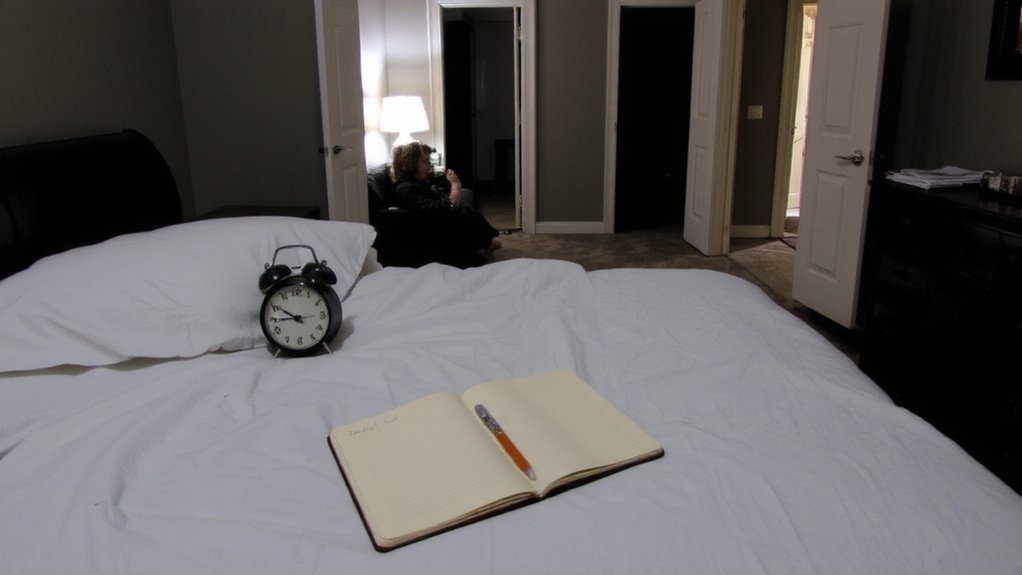
The key to strengthening your sleep-wake cycle lies in retraining your brain to see the bed as a place for sleep only, not for worrying, scrolling, or lying awake. You build a strong bed association by using your bed only for sleep and sex-nothing else. If you can’t fall asleep within 20 minutes, get up and move to another room. Do something quiet and calm until you feel sleepy, then return to bed. This strengthens the mental link between bed and sleep. Keep your sleep environment consistent: same bedtime, same wake time, even on weekends. Avoid screens and bright lights at night. Over time, your body learns to connect your sleep environment with actual rest. Stimulus control doesn’t fix everything overnight, but it’s proven to improve sleep quality when followed consistently.
Stop Worrying About Not Sleeping
Why does lying awake feel so frustrating, as if every minute counts and sleep becomes a race against time? When you worry about not sleeping, your body tightens and your mind races, making rest harder. This anxiety can undo good sleep hygiene, like keeping a consistent bedtime or limiting screen use before bed. Instead of stressing over lost minutes, focus on what you can control. Practice relaxation techniques-deep breathing, progressive muscle relaxation, or guided imagery-to signal your body it’s safe to rest. These methods aren’t quick fixes, but with regular use, they train your nervous system to unwind. Worrying less about sleep often leads to more of it. Give yourself permission to rest quietly, even if you’re not asleep. Reducing pressure on yourself supports long-term improvement far more than any sleep aid ever could.
How Cognitive Restructuring Fights Sleep Anxiety
Though your thoughts about sleep might feel automatic, you can learn to spot and reshape the ones that fuel anxiety. Cognitive restructuring helps you identify negative thoughts-like “I’ll never fall asleep”-and question their accuracy. When you challenge these beliefs, you weaken the fear cycle that keeps your mind racing at night. Instead of accepting every worry as truth, you practice replacing them with balanced, realistic statements. This shift doesn’t erase stress, but it reduces how much it affects your sleep. Over time, your brain starts seeing bedtime as less threatening. You’re not changing facts-you’re changing your response. That small shift breaks the pattern of dread and hyperarousal. By directly tackling the thoughts behind sleep anxiety, cognitive restructuring builds a calmer mindset. You stay in control, making intentional choices instead of reacting to fear.
When to Combine CBT-I With Other Sleep Strategies
You’ve made progress tackling sleep anxiety by reshaping the thoughts that keep you awake, but there are times when adding other strategies gives you better results. If your sleep environment stays noisy or too bright despite behavioral changes, combining CBT-I with tweaks like blackout curtains or white noise machines can help. Likewise, if you take sleep medication, aligning CBT-I with proper medication timing may improve outcomes-some find it easier to stick with therapy when short-term aids smooth the early weeks. Pairing stimulus control with environmental fixes strengthens habits without relying solely on pills. Don’t assume CBT-I needs support right away; trial it fully first. But if progress stalls after several weeks, consider integrating sleep environment upgrades or adjusting medication timing under medical guidance. These combinations aren’t shortcuts-they’re thoughtful additions that address different parts of sleep disruption. Always track changes over a few nights to see what’s actually working. A supportive best bed ideas choice can further enhance sleep quality by aligning comfort with therapeutic efforts.
Sticking With CBT-I: Turning Techniques Into Lasting Routines
Even if progress feels slow at first, sticking with CBT-I often leads to lasting improvements when you treat it like building a habit rather than finding a quick fix. You can strengthen consistency by using sleep journal soluble to track patterns and setbacks, helping you see what works over time. Routine anchoring-pairing your bedtime habits with stable daily cues like meals or hygiene-makes it easier to follow through, even on tough nights. Think of these tools as supports, not strict rules, so you can adjust without quitting. Unlike sleep aids, which offer temporary relief, CBT-I builds skills that last. It might take a few weeks to notice changes, but regular practice improves your chances. Give each technique a fair trial, ideally 2–4 weeks, before deciding it’s not right for you. Small, steady steps create routines that work with your life, not against it. A popular way to support this process is through the use of best sleep journals, which are specifically designed to help identify triggers and improve sleep hygiene over time.
On a final note
You can manage insomnia effectively with CBT-I, a structured method that improves sleep without relying on medications. It works by adjusting your thoughts and habits around sleep, giving long-term results. While sleep aids may help short-term, they don’t fix underlying issues. CBT-I requires practice and consistency, but most people see improvement within weeks. Consider combining it with good sleep hygiene for best results. Give yourself time to adjust-lasting change builds through steady effort.