Sleep Medication Stopped Working? Causes & Next Steps
Your sleep meds may stop working because your brain adjusts over time, making them less effective. Don’t change the dose on your own-talk to your doctor first to avoid risks like dependence or side effects. Consider trying cognitive behavioral therapy for insomnia (CBT-I), which often works better long-term. Check for other issues like sleep apnea or anxiety that could be interfering. If you’re still tired, have trouble waking, or feel anxious about doses, it might be time for a change. More options and insights are just ahead.
Notable Insights
- Consult your doctor before making any changes to your medication regimen.
- Do not adjust your dosage on your own due to risks of dependence or side effects.
- Consider cognitive behavioral therapy for insomnia (CBT-I) as a long-term alternative.
- Evaluate for underlying conditions like sleep apnea or anxiety that may affect sleep.
- Monitor symptoms like daytime drowsiness or lack of relief to assess medication effectiveness.
Why Your Sleep Meds Stop Working
While your sleep medication might have worked well at first, it’s not unusual for its effects to weaken over time, especially if you’ve been using it regularly. This happens because your body undergoes tolerance development, meaning you need higher doses for the same effect. This is tied to neurotransmitter adaptation-your brain’s chemical signals adjust to the medication’s presence, reducing its impact. GABA, a key neurotransmitter in sleep regulation, may become less responsive, making the drug less effective. These changes are normal and don’t mean you’ve done anything wrong. They simply reflect how your nervous system maintains balance. Sleep aids often work best over short periods, and long-term use can加重 these adaptations. Understanding this helps you weigh options, like adjusting routines or considering alternatives. It’s about working *with* your biology, not against it. You’re not alone-many people experience this shift, and solutions exist.
Talk to Your Doctor Before Changing Doses
If you notice your sleep medication isn’t helping like it used to, don’t increase the dose on your own-talk to your doctor first. Making changes without guidance can lead to serious risks, including dependence or worsened side effects. Your doctor can assess whether a dosage adjustment is safe and appropriate based on your health history and current symptoms. They’ll also review potential interactions with other medications you’re taking. Proper side effect management is key, as higher doses may increase dizziness, grogginess, or memory issues. Together, you and your doctor can weigh the benefits and risks, ensuring any changes support long-term sleep health. Open communication allows for smarter decisions about your treatment plan. This approach helps maintain safety while addressing your evolving sleep needs effectively and responsibly.
Try Proven Non-Medication Sleep Therapies
Your doctor might suggest adding non-medication therapies if your sleep medication loses effectiveness over time or causes unwanted side effects. Cognitive behavioral therapy for insomnia (CBT-I) is a proven option that helps you reshape sleep habits and thoughts about sleep. It’s often more effective long-term than medication alone. Pairing it with consistent sleep hygiene practices-like keeping a regular sleep schedule and limiting screen time before bed-can make a real difference. These strategies work best when used together over time. Exploring a best sleep support system can further enhance your sleep environment and complement these therapies.
Could Another Condition Be Blocking Your Sleep?
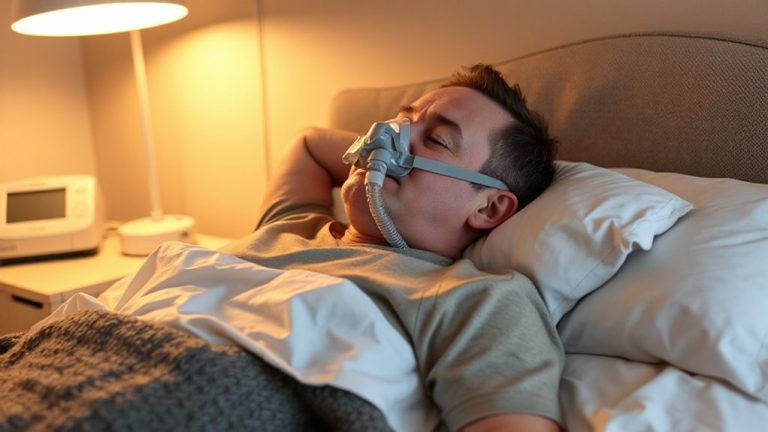
What if your trouble sleeping isn’t really about insomnia at all? Sometimes, another condition is blocking your sleep without you realizing it. Sleep apnea, for example, causes breathing pauses during the night, leading to frequent awakenings and poor rest-even if you don’t remember waking up. You might feel tired despite sleeping for hours. Anxiety disorders can also disrupt your ability to fall or stay asleep, keeping your mind racing when you need it to relax. These conditions often don’t respond well to sleep medication alone. If your prescription no longer works, it’s worth considering whether an undiagnosed issue like sleep apnea or an anxiety disorder is the real cause. A sleep study or mental health screening can provide clarity. Treating the underlying problem may improve sleep more effectively than adjusting medication. Tracking your sleep patterns over time with a sleep quality monitor can help identify disruptions linked to these underlying conditions.
Signs It’s Time to Switch or Stop Medication
A growing number of mornings spent groggy, or nights still restless despite taking your usual dose, can signal that your sleep medication isn’t working as it should. You might also notice worsening side effects or find yourself needing higher doses to fall asleep-clear signs of tolerance and dependency risks. It’s important to assess how the medication affects your daily life.
| What You’re Feeling | What It Might Mean |
|---|---|
| Daytime drowsiness | Lingering side effects |
| Trouble waking up | Medication still in your system |
| Sleep returns but feels light | Incomplete sleep cycles |
| Anxiety about missing a dose | Early signs of dependency |
| No relief after a few weeks | Decreased medication effectiveness |
Consider discussing alternatives with your doctor to balance benefits and risks.
On a final note
If your sleep medication stops working, don’t adjust the dose on your own-talk to your doctor first. They can check for underlying issues or suggest non-drug treatments like CBT-I, which often work better long-term. Some medications lose effectiveness over time or cause side effects. Your doctor might adjust your plan or try a different option, weighing benefits and risks. A careful, informed approach helps you find safer, sustainable sleep solutions.