Developing Custom Pillow Templates Based on 3D Scanned Body Morphology
You’re getting a pillow built just for you, based on a 3D scan of your neck and shoulders. It matches your spine’s natural curve, so you sleep aligned and wake with less stiffness. Scans use infrared tech to map your shape quickly and accurately. That data shapes a custom template with the right loft and support for your sleep position. High-density memory foam or buckwheat fills it, often with cooling gel and a washable cover. Most come with a 30- to 100-night trial and a two-year warranty. Better alignment could mean fewer aches over time. Your body’s unique-your pillow doesn’t have to be one-size-fits-all. There’s more to how this works behind the scenes.
Notable Insights
- 3D body scanning captures precise neck and shoulder contours to inform custom pillow design.
- Scan data is converted into a digital model for accurate spinal alignment in pillow templates.
- Software uses morphology data to tailor loft, firmness, and support zones for individual needs.
- Custom templates accommodate sleep positions by adjusting shape based on 3D scan results.
- High-density memory foam or buckwheat fills the template, ensuring durability and pressure relief.
Why Standard Pillows Misalign Your Spine
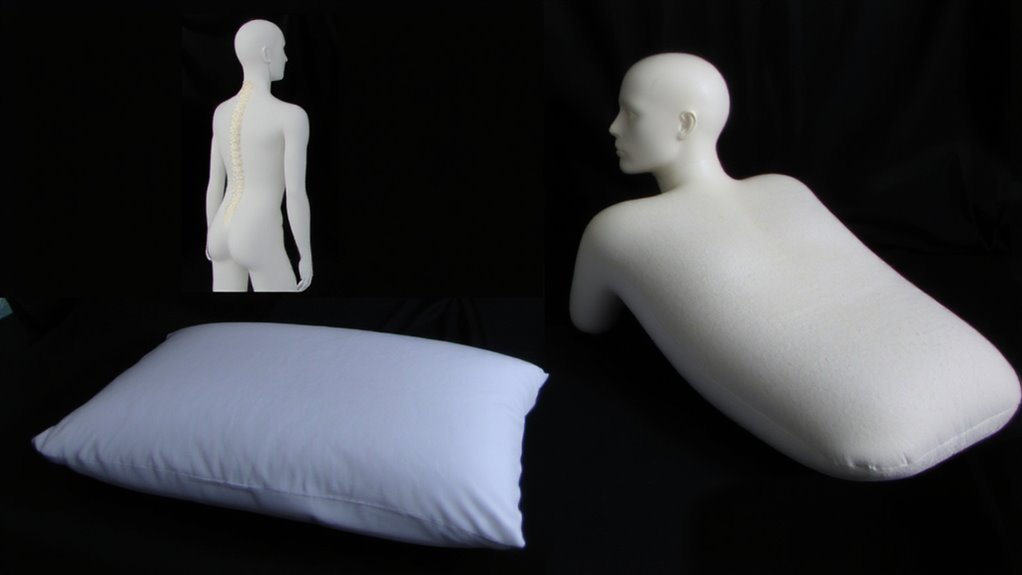
While most standard pillows seem like a simple, one-size-fits-all solution, they often fail to account for the natural curve of your neck and spine-something that matters more than you might think. This common design flaw leads to an ergonomic failure, where your head is either too high or too low, forcing your spine into an uneven alignment. Over time, that strain can irritate nerves and stiffen muscles, especially if you sleep on your side or back. You may not notice it at first, but poor support creates pressure points along your neck and shoulders, disrupting blood flow and leading to morning soreness or headaches. Even pillows labeled “supportive” or “orthopedic” often assume uniform body shapes, which rarely match real anatomy. Choosing the right pillow isn’t just comfort-it’s about maintaining spinal balance. A proper fit reduces strain, distributes weight evenly, and may improve sleep quality, especially if you have existing discomfort or posture concerns. For side sleepers, proper support often means selecting from among the best pillows for side sleepers that accommodate varied shoulder widths and head positions.
How 3D Scans Capture Your Unique Shape
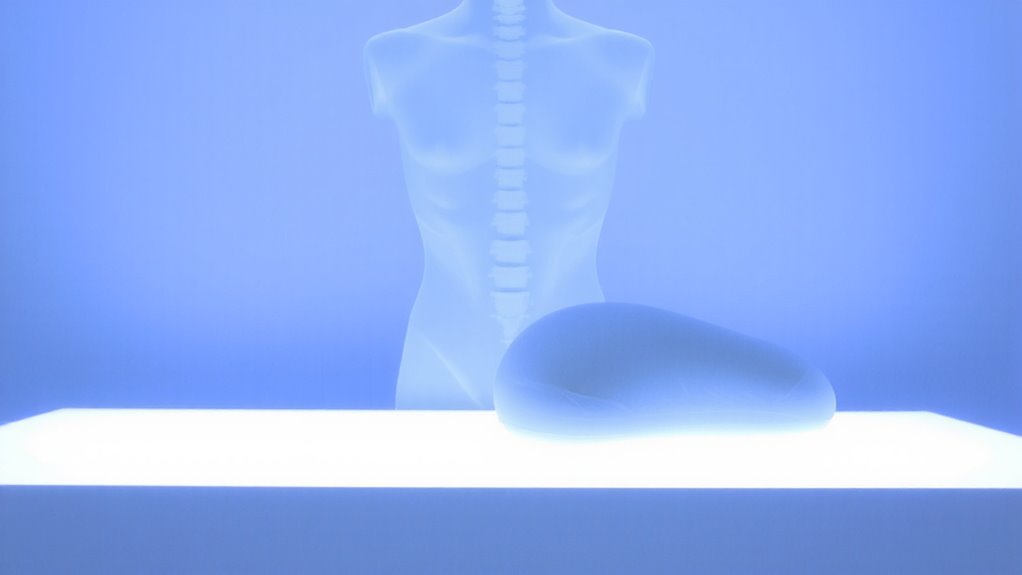
Step into a 3D body scan, and you’ll see exactly how your neck and shoulders form a shape no two people share. The scanner maps your body contours with precision, capturing curves and angles that standard tools miss. You’ll notice how it highlights natural pressure points along your spine and shoulders-areas where support matters most. These scans use infrared or laser tech to create a digital model, recording every dip and rise in detail. Because your sleep posture depends on these unique features, the data helps design pillows that match your form exactly. Custom templates reduce strain by aligning with your actual shape, not averages. The process is quick, non-invasive, and repeatable-ideal for tracking changes or testing adjustments. Many providers offer trial periods, so you can test comfort without risk. This accurate capture of your body’s blueprint makes personalized sleep solutions more effective and reliable over time.
Spinal Alignment: Why Custom Pillows Work Better

Since your spine naturally curves in specific ways, a pillow that follows those lines helps keep everything in alignment while you sleep. Generic pillows often fail to provide proper ergonomic support, leading to neck strain or poor posture. A custom pillow, shaped from your 3D body scan, delivers personalized comfort by matching your unique spinal contours. This tailored approach improves sleep quality and reduces the chance of waking with stiffness. Studies show that best buckwheat pillows can also support neck pain relief by offering firm, moldable support.
From Scan to Pillow Design: Creating Your Template
You’ve seen how proper spinal alignment can improve your sleep with a pillow designed just for your body, and now it’s time to see how that design actually comes to life. After a 3D body scan, high scan resolution captures subtle curves in your neck and shoulders, ensuring accuracy. This data feeds into modeling software, where your unique template forms. With strong design flexibility, adjustments can fine-tune loft, firmness, and shape based on sleep position or comfort preferences. Whether you’re a side, back, or stomach sleeper, the template adapts. You can preview the design digitally, check support zones, and confirm fit before production. Most systems allow a trial period, so you can test the pillow and request tweaks if needed. Warranties often cover shape retention for up to two years. The process gives you control, grounded in precise measurements and tailored structure.
Best Materials for Custom Pillows
The right material makes all the difference in how well your custom pillow supports your neck and spine night after night. Memory foam remains a top choice because it molds to your 3D-scanned shape, offering consistent pressure relief and motion isolation. Its density affects firmness-higher density usually means longer support. You’ll want a removable, breathable cover to manage heat and ease cleaning. When paired with an ergonomic design tailored to your body, memory foam helps maintain proper spinal alignment, which may reduce neck pain over time. Some models include cooling gel layers to prevent overheating. Most quality brands offer a 30- to 100-night trial, letting you test comfort and support in real sleep conditions. Check warranty length and sag-resistance guarantees to assess durability. Consider your sleep position and body weight when choosing firmness, as these affect how the pillow performs over time.
How a 3D-Scanned Pillow Is Made
While your body rests, the process of creating a truly personalized pillow begins with a quick 3D scan-often done through a smartphone app or in-store kiosk-that maps the exact contours of your head, neck, and shoulders. This digital model guides precise adjustments in shape and firmness to support proper sleep posture and enhance pillow ergonomics. Designers use the scan data to craft a custom core, typically from memory foam or latex, molded to align with your unique spinal curve. The pillow’s structure balances support and comfort, reducing pressure points. Some companies offer a trial period, allowing you to test the pillow at home, often with free adjustments or a warranty if tweaks are needed. Each pillow is built to last, using durable materials that maintain shape over time. You receive a product tailored not just to preferences, but to measurable body data-offering a science-backed step toward better rest.
Who Should Get a Custom Pillow?
What if your pillow actually fit the way your body moves during sleep? If you struggle with neck pain, shoulder tension, or wake up feeling stiff, a custom pillow based on your 3D body scan could improve your sleep quality. It’s designed specifically for your comfort needs, supporting your head and spine in alignment no matter your sleeping position. Side sleepers with broad shoulders, back sleepers needing gentle lift, or combo sleepers shifting through the night all benefit from tailored support. Unlike one-size-fits-all options, these pillows adapt precisely to your shape, helping reduce pressure points. Most come with a trial period and warranty, so you can test performance risk-free. Materials vary-memory foam, latex, or hybrid fills-each affecting breathability and firmness. While pricier upfront, the long-term boost in sleep quality may justify the cost. Consider your habits, existing sleep aids, and whether standard pillows consistently fail you. The right pillow height can make a significant difference in spinal alignment and comfort based on your preferred sleep position.
On a final note
You now know how 3D-scanned pillows align with your spine’s natural curve, based on your body’s unique shape. These custom designs, made from supportive materials like memory foam or latex, improve sleep posture and may ease neck pain. Most come with a trial period, so you can test comfort risk-free. While pricier than standard pillows, they offer tailored support. If you wake with stiffness or use sleep aids, a custom pillow might help-just check return policies and material durability before deciding.