Using Skullcap to Reduce Nighttime Heart Palpitations From Anxiety
You can use skullcap to help quiet nighttime heart palpitations triggered by anxiety, as it supports GABA activity and calms an overactive nervous system. Take a standardized or full-spectrum extract 30–60 minutes before bed, starting with 500 mg or 2–3 mL of tincture. It may reduce heartbeat intensity over several nights without next-day grogginess. Check for third-party testing and take into account combining it with magnesium. There’s more to take into account for your routine.
Notable Insights
- Skullcap may reduce nighttime heart palpitations by calming the nervous system through enhanced GABA activity.
- Its flavonoids, like baical centrality wogonin, help lower anxiety and support healthy stress hormone levels.
- Take 500–1,000 mg of standardized extract or 2–3 mL of tincture 30–60 minutes before bed for best results.
- Full-spectrum, alcohol-based tinctures offer faster absorption and broader plant compound benefits.
- Combining skullcap with magnesium or valerian root can enhance calming effects without morning grogginess.
What Triggers Anxiety-Induced Nighttime Heart Palpitations?
Why do your heart palpitations seem to spike at night when anxiety takes over? At night, stress hormones rise as your body relaxes, making you more aware of your heartbeat. Hormonal fluctuations, especially in cortisol and adrenaline, peak during stressful moments and can worsen after sunset. When anxiety builds, your nervous system stays on high alert, mistaking normal bodily signals for danger. You might also unknowingly fuel the cycle through afternoon or evening caffeine consumption-even from tea or chocolate. That stimulation lingers, increasing heart rate sensitivity when you’re trying to rest. Poor sleep habits or screen exposure before bed can deepen the problem, making palpitations feel more intense. Recognizing these patterns helps you make smarter choices about diet, routine, and when to seek support. Small changes-like cutting caffeine early-can shift your body’s nighttime response.
Can Skullcap Ease Nighttime Heart Palpitations? What the Research Says
Could a natural herb like skullcap actually help calm your racing heart at night? Research hints it might, thanks to its historical use in traditional remedies for nervous tension. While strong clinical trials in humans are limited, early studies suggest skullcap has compounds that support nervous system calmness. It’s often used alongside other relaxation practices for better sleep. Always consider possible interactions with medications.
| Feature | Detail |
|---|---|
| Historical Use | Native American and Chinese traditional remedies |
| Active Compounds | Flavonoids like baicalin and wogonin |
| Typical Form | Capsules, tinctures, or teas |
| Onset Time | 30–60 minutes when taken before bed |
| Safety Note | Generally well-tolerated, but consult your doctor |
Skullcap may offer a gentle option among natural sleep aids.
How Skullcap Calms Anxiety and Rapid Heartbeat
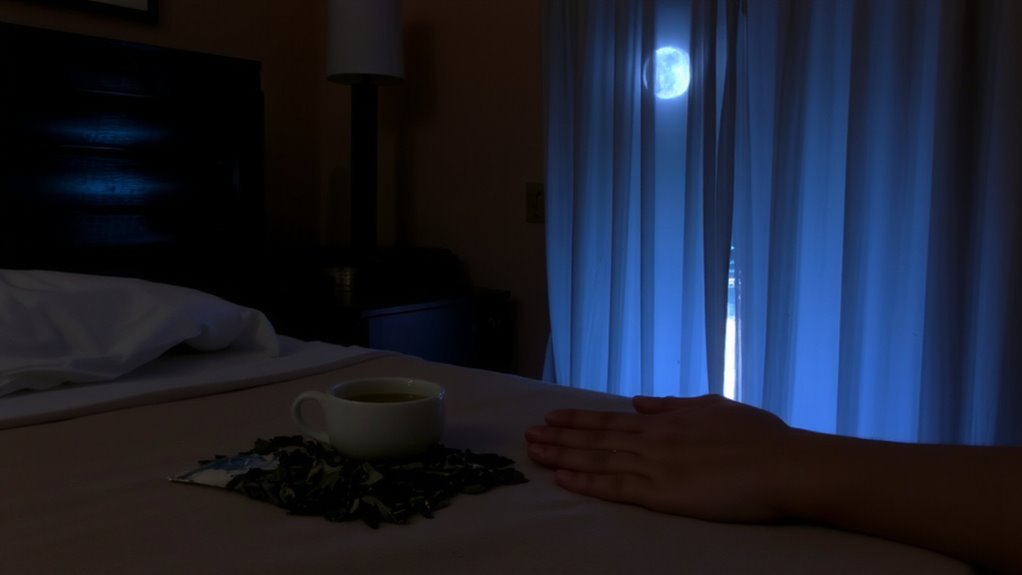
While you’re lying awake with a racing heart and restless mind, skullcap may help ease those symptoms by supporting your nervous system’s natural balance. This herb works by promoting neurotransmitter balance, especially calming GABA activity, which helps quiet overactive brain signals linked to anxiety. When your mind won’t shut off at night, skullcap may gently reduce that mental chatter without heavy sedation. It also offers adrenal support, helping your body manage stress hormones like cortisol that can spike during anxiety and trigger palpitations. By moderating your body’s stress response, skullcap may reduce the frequency and intensity of rapid heartbeat episodes. Unlike stronger sleep aids, it doesn’t typically cause grogginess, making it a practical option if you want to stay alert in the morning. Though results vary, many find it useful as part of a broader plan for managing nighttime anxiety and improving sleep quality.
Which Skullcap Extract Works Best for Nighttime Anxiety?
How do you choose the right skullcap extract when nighttime anxiety keeps you awake? Look for a standardized extract, which guarantees consistent levels of active compounds like baicalin, giving you reliable support night after night. This type of extract is often more predictable, helping you gauge how your body responds. Or, you might prefer a full spectrum tincture, which contains a broader range of plant compounds and may offer more balanced effects due to the herb’s natural synergy. Full spectrum options are typically alcohol-based, aiding fast absorption. Both types are available in reputable brands, many offering money-back trials. Check labels for sourcing, concentration, and whether they’re third-party tested. Start with a small dose to assess tolerance. Each form has trade-offs-standardized for precision, full spectrum for complexity-so your choice depends on what aligns with your sleep goals.
How to Take Skullcap Before Bed: Dosage and Timing
When should you take skullcap for the best chance at easing nighttime heart palpitations? Aim for 30 to 60 minutes before bed to allow the herb to take effect when you need it most-during the shift into sleep. This is the ideal timing to help calm your nervous system ahead of potential anxiety spikes. As for dosage guidelines, most adults start with 500 to 1,000 mg of dried skullcap extract or 2–3 mL of tincture. Since potency varies by product, always check the label and follow manufacturer instructions. Taking it consistently at the same time each night may improve results over time. You might need a few nights to notice changes, so give it a fair trial. Pairing skullcap with a regular bedtime routine could enhance its calming effects without relying on stronger sleep aids.
Skullcap Safety: Side Effects and Who Should Avoid It
Though skullcap is generally well tolerated by most people, it’s important to know the possible side effects and whether it’s right for your situation. You might experience mild drowsiness, dizziness, or gastrointestinal upset. Skullcap can cause serious drug interactions, especially with sedatives, anti-anxiety meds, or blood thinners. Be cautious if you’re on any prescription regimen. For contraindicated populations, including pregnant women, those with liver disease, or people preparing for surgery, skullcap isn’t recommended. Always consult your healthcare provider before use.
| Symptom | Likelihood | Action Needed |
|---|---|---|
| Drowsiness | Common | Avoid driving |
| Dizziness | Mild | Reduce dose |
| Upset stomach | Occasional | Take with food |
| Liver issues | Rare | Discontinue use |
| Allergic reaction | Rare | Seek medical help |
Pairing Skullcap With Other Natural Remedies for Better Sleep
Why might your current sleep routine fall short when natural remedies could work better together? Combining skullcap with other herbs may enhance calm and improve sleep quality. You can benefit from valerian synergy - when skullcap and valerian root are taken together, their sedative effects may intensify, helping you fall asleep faster. This pairing targets both anxiety-related palpitations and difficulty staying asleep. Adding magnesium support further stabilizes your nervous system, easing muscle tension and supporting heart rhythm regulation overnight. Magnesium also complements skullcap’s muscle-relaxing properties. Start with low doses of each to assess tolerance, especially if you’re new to herbal combinations. Though generally safe, check with your doctor if you take medications or have health conditions. With consistent use, this blend may offer a gentler alternative to pharmaceutical sleep aids. For best results, choose a high-quality magnesium supplement known for supporting anxiety and heart palpitations.
On a final note
You might find skullcap helps ease nighttime heart palpitations linked to anxiety, especially when used as a standardized extract taken 30–60 minutes before bed. Studies suggest it supports calm without heavy sedation. Start with a low dose to assess tolerance, and choose reputable brands that test for purity. While skullcap can be part of a sleep strategy, pair it carefully with other remedies and consult your doctor, especially if you take medications or have health concerns.