How to Align School Schedules With Delayed Sleep Phase Disorder Needs
You’re not lazy-your body’s natural rhythm makes falling asleep early tough, and early school starts worsen the mismatch. Aligning schedules means starting school later, ideally after 8:30 a.m., to match your delayed sleep phase. This improves sleep length, alertness, and mood without lowering academic standards. Flexible arrival policies and remote options also help. Some schools test these changes with strong results in attendance and focus-find out how those adjustments played out in real districts.
Notable Insights
- Delay school start times to 8:30 a.m. or later to align with teens’ natural sleep-wake cycles.
- Implement flexible attendance policies to accommodate late arrivals for students with DSPD.
- Offer remote learning options so students can attend classes aligned with their chronotypes.
- Use staggered or tiered start times to ease transportation and scheduling challenges.
- Support policy change through student and parent advocacy using sleep science and success stories.
What Is Delayed Sleep Phase Disorder in Teens?
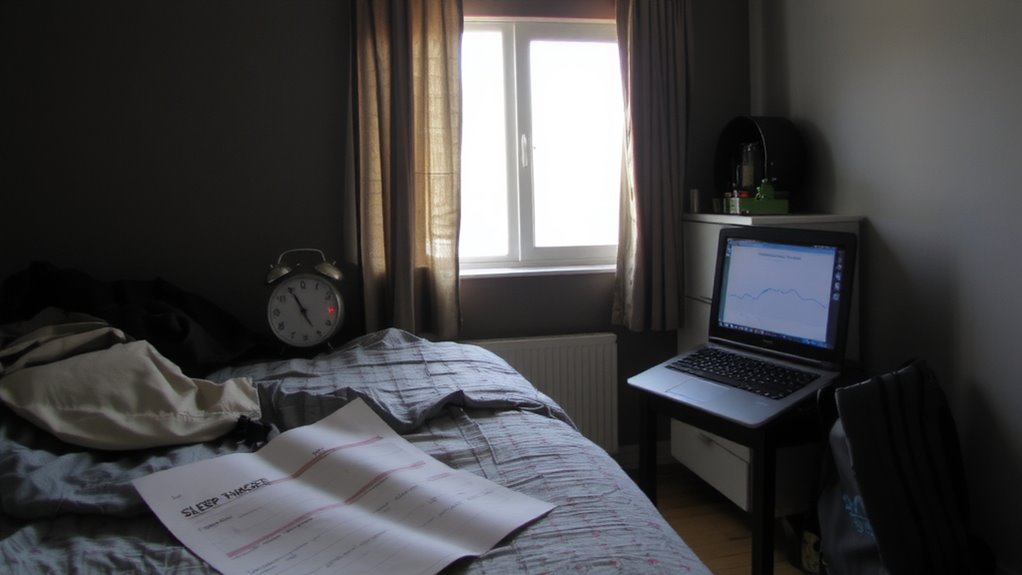
Why does your teen stay wide awake late at night, even when they’re exhausted? It might be delayed sleep phase disorder (DSPD), a shift in their natural circadian rhythm that pushes sleep times later-often past midnight. Their body simply isn’t ready to sleep when you expect it, even if they’re tired. This delay isn’t laziness; it’s biology. Once asleep, they usually sleep well, but early commitments cause sleep deprivation over time. Chronic sleep loss affects mood, focus, and health. Diagnosis requires tracking sleep patterns, often with sleep logs or wearables, to confirm the delay persists. Treatments include timed light exposure, melatonin supplements under medical guidance, and consistent routines. Results vary, and improvements take weeks. While not all teens outgrow it, many find relief with structured support. Always consult a sleep specialist before starting any sleep aid.
Why Early School Schedules Harm Teen Sleep Health
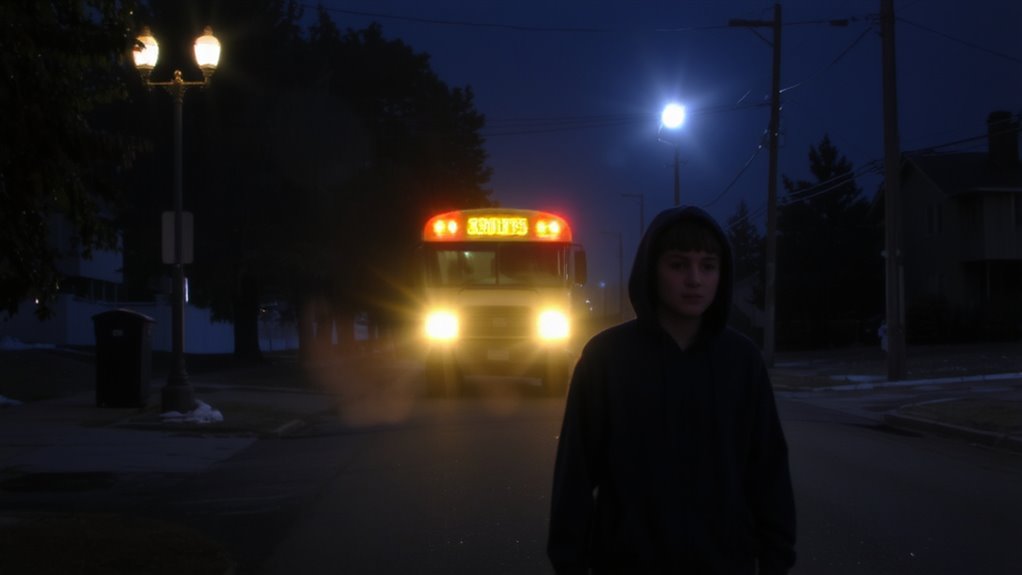
Often, your teen’s body isn’t built for early mornings, and forcing a 6 a.m. start can go against their natural biology. During adolescence, circadian rhythms shift, making it harder to fall asleep early and wake up alert. When school starts too early, circadian misalignment occurs-sleep patterns clash with required wake times. This mismatch doesn’t just cause fatigue; it impacts focus, memory, and mood. Over time, poor sleep consistency can reduce academic performance, as learning and retention suffer without adequate rest. You might notice your teen struggling to concentrate, turning to caffeine, or relying on weekend catch-up sleep. These are signs the schedule isn’t aligned with their physiological needs. While sleep aids or strict bedtime routines may help slightly, they don’t fix the root issue. The conflict between school timing and natural sleep cycles remains a barrier to healthy, sustainable rest and daily functioning.
How Later School Start Times Help Teens With DSPD
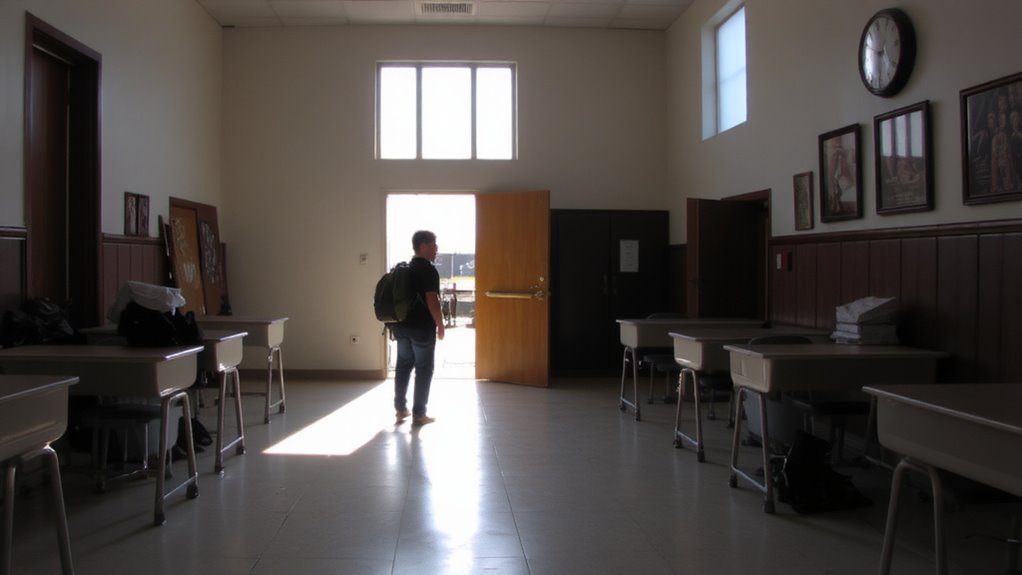
Starting school later isn’t just a convenience-it’s a shift that lines up with how your teen’s body actually works, especially when delayed sleep phase disorder (DSPD) is in the picture. Chronotype alignment means their natural sleep-wake cycle matches school hours, making mornings less stressful and focus sharper. When teens get more rest, academic performance improves across subjects. Below are key outcomes seen in schools adjusting start times:
| Benefit | Impact |
|---|---|
| Alertness during class | Increased attention and participation |
| Sleep duration | Gains of 30–60 minutes nightly |
| Mood regulation | Fewer reports of irritability |
| Attendance rates | Noticeable improvement |
| Academic performance | Higher test scores and grades |
Later starts support biological needs, helping teens function better without relying on sleep aids. It’s a practical step rooted in science, not preference. With better chronotype alignment, daily routines become more sustainable and effective over time.
Adopt Later Start Times and Flexible Attendance Policies
While your teen’s internal clock may naturally push bedtime later, adjusting school start times can better align with their biological rhythm, especially when DSPD is a factor. Starting school later lets them get more quality sleep, which boosts focus, mood, and performance. Flexible attendance policies go hand in hand with these changes, allowing students to make up work without penalty if they arrive slightly late. Schools that offer remote options give struggling teens a chance to learn in sync with their natural sleep patterns. Extended breaks during the day also help, giving students time to rest, recharge, or handle appointments without falling behind. These policies don’t lower standards-they support consistent learning by meeting students where they are. When schedules adapt, attendance and engagement often improve. Consider how later starts, remote options, and extended breaks could reduce sleep-related stress for your teen.
How Parents Can Push for Healthier School Schedules
If you’re looking to support your teen’s health and academic success, advocating for later school start times is a practical step backed by sleep research. You can begin with parental advocacy by gathering evidence on sleep needs and delayed sleep phase disorder, then sharing it with school boards and administrators. Attend meetings, join parent groups, and use data to highlight how early starts harm focus, mood, and attendance. Policy negotiation works best when you propose solutions-like adjusted bus schedules or hybrid learning options-that balance logistics and student well-being. Present your case calmly, emphasizing health benefits and academic improvements tied to later starts. Stay open to phased rollouts or pilot programs, which let schools test changes with manageable risk. Your consistent, informed efforts can lead to meaningful change.
Real-World Success: Schools That Changed Start Times
You’ve likely already considered how early school schedules clash with teens’ natural sleep patterns, especially when delayed sleep phase disorder makes falling asleep earlier nearly impossible. Real change has already taken root in schools that shifted start times to better match adolescent biology. In districts like Seattle and Somerville, student activism played a key role-teens presented sleep research to school boards, pushing for schedules that support health over tradition. These adjustments didn’t happen overnight; they required careful planning, transportation reviews, and community input, showing how policy reform can grow from informed advocacy. Students reported improved attendance, mood, and concentration without sacrificing academic performance. The results are backed by data, not opinion. If you’re evaluating options for managing sleep disorders, consider how structural changes like later starts offer long-term benefits over relying solely on sleep aids or behavioral fixes.
How School Districts Are Adopting Later Start Times
Many school districts across the U.S. are now shifting start times later to better support adolescent sleep needs, especially for students with delayed sleep phase disorder. You’re likely seeing this change in your community, where schools push start times to 8:30 a.m. or later based on research showing teens’ brains aren’t fully alert before then. When schools adjust bell schedules, they must also rework bus scheduling, which can affect elementary pickups and after-school activities. Some districts stagger start times to manage transportation efficiently. There’s also evidence that later starts may reduce teacher burnout, since educators report less stress managing drowsy or disengaged students. While the shift isn’t always simple, schools that have made the shift often see improved attendance, focus, and mood. You can look into your district’s pilot programs or board discussions to see how these changes might support students’ sleep health without overhauling entire systems.
On a final note
You can support better teen sleep by aligning school schedules with natural circadian rhythms, especially for those with delayed sleep phase disorder. Later start times improve attendance, mood, and learning. Talk to schools about flexible policies and evidence-based changes. Consider sleep aids only after consulting a doctor. Real-world results show benefits with minimal downsides. Trial adjustments gradually, and review outcomes with your family.