How Delayed Sleep Phase Disorder Disrupts Teen Sleep Schedules and Academic Performance
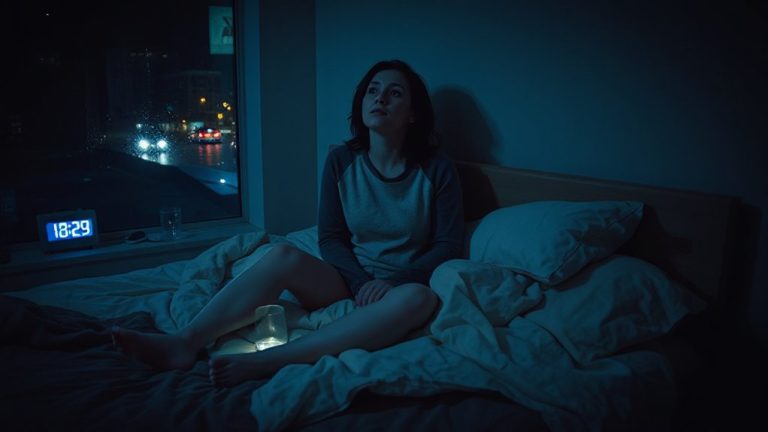
You might feel tired but still can’t fall asleep until late-sometimes 1:00 AM or after-because your body’s internal clock delays melatonin release by hours. This isn’t just staying up late; it’s a real circadian shift that makes waking for school before 6:30 AM exhausting. Even if you try, your brain stays alert at bedtime. Without enough sleep, focus, memory, and motivation drop, hurting grades over time. Small, consistent changes in light exposure, sleep timing, and possibly low-dose melatonin can help reset your rhythm. There are effective strategies worth exploring if this sounds like your experience.
Notable Insights
- Delayed Sleep Phase Disorder causes teens to fall asleep hours later than desired, often after 1:00 AM, due to a shifted circadian rhythm.
- Melatonin release in DSPD occurs much later than average, making early sleep onset biologically difficult despite effort.
- Early school start times force teens with DSPD to wake up too early, resulting in chronic sleep deprivation of 5–6 hours or less.
- Sleep loss impairs focus, memory, and learning, leading to declining academic performance even with consistent effort.
- Treatment requires timed melatonin, consistent wake times, and light management to gradually reset the internal clock.
Defining Delayed Sleep Phase Disorder in Teens
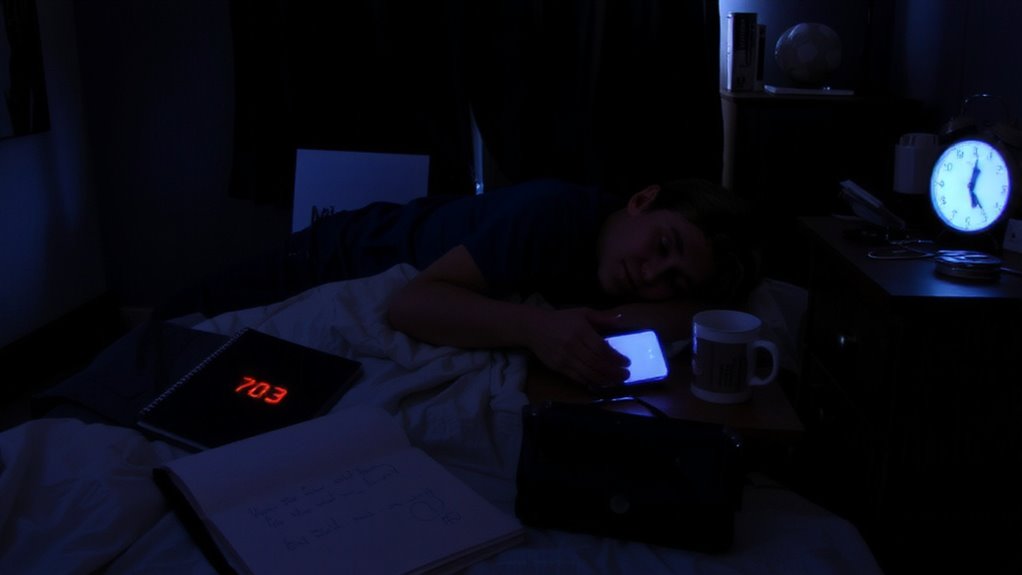
While your teen’s late-night energy and struggle to wake up in the morning might seem like typical behavior, it could actually be a sign of something more specific-delayed sleep phase disorder (DSPD). This condition shifts their natural sleep cycle later, sometimes by hours, making it hard to fall asleep before midnight and wake up on time. It’s not laziness-it’s a real circadian rhythm issue linked to melatonin timing that’s out of sync with school schedules. When their internal clock doesn’t match daily demands, a chronotype mismatch occurs, affecting mood and focus. Unlike most teens who can adjust with effort, those with DSPD find it nearly impossible without intervention. Light therapy, consistent sleep routines, or low-dose melatonin supplements timed correctly might help reset their rhythm. Success varies, so small, consistent changes often work better than quick fixes. Talk to a sleep specialist to explore options with clear benefits and minimal risks.
DSPD vs. Normal Teen Sleep: What’s the Difference?
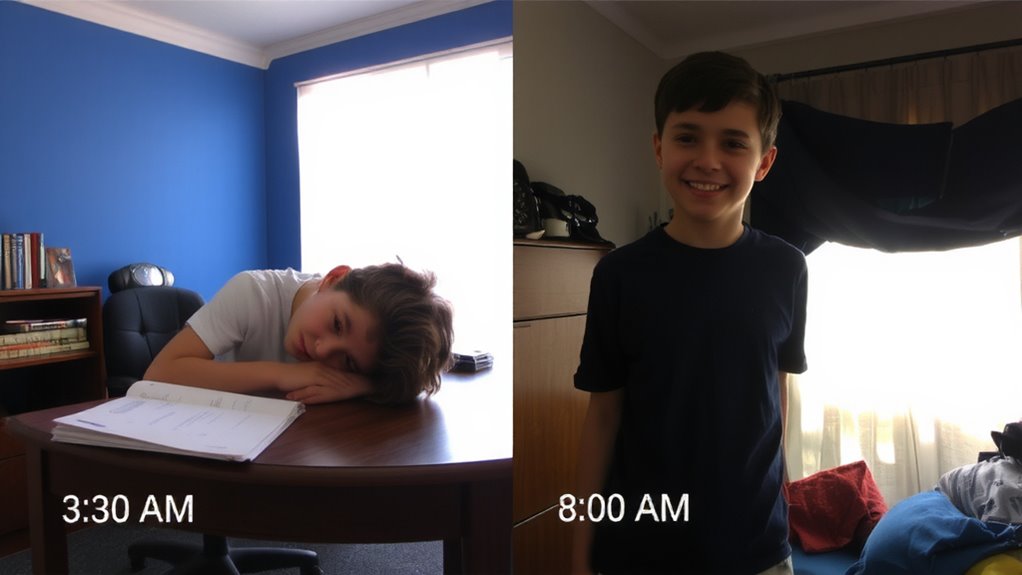
You might notice your teen staying up late and having trouble getting moving in the morning, but that doesn’t automatically mean they have delayed sleep phase disorder. Most teens naturally experience a shift in their circadian rhythm during puberty, causing them to fall asleep later and wake up later. This is usually temporary and mild. In DSPD, the delay is more extreme and consistent-your teen can’t fall asleep until very late, even when they try. Their melatonin levels rise hours later than average, reinforcing the shift. Unlike typical teen sleep patterns, DSPD persists across weeks and disrupts daily functioning. It’s not just preference; it’s a biological timing issue. Recognizing the difference helps determine whether lifestyle changes suffice or if medical guidance, like light therapy or melatonin supplements under supervision, might help reset their internal clock.
Why Early School Times Clash With DSPD
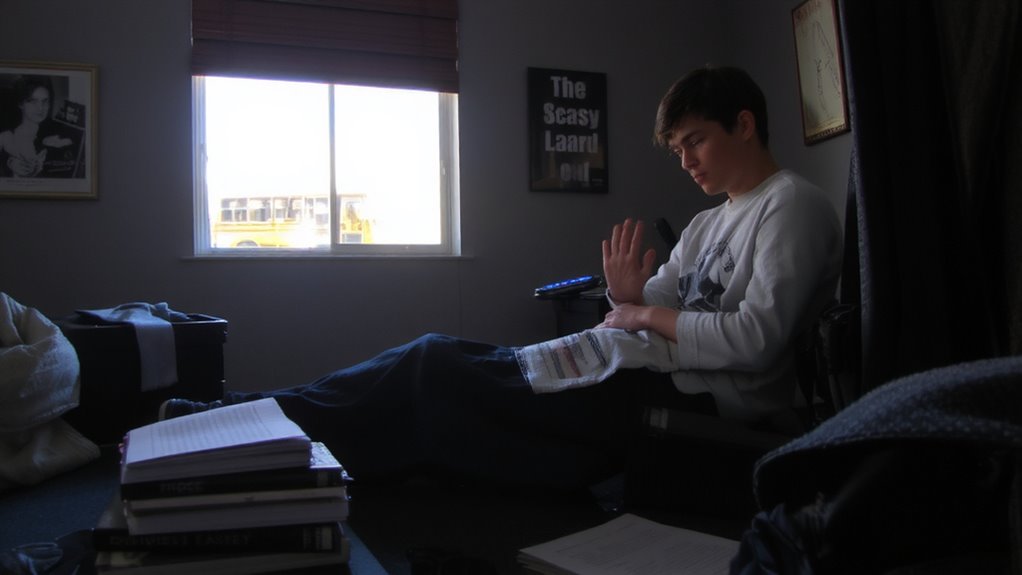
If you’ve ever struggled to wake your teen for school, you’re not alone-and when DSPD is involved, it’s more than just stubbornness or laziness. Their internal clock runs late, causing circadian misalignment that makes early wake-ups nearly impossible. This natural delay clashes directly with typical school start times, creating a school start conflict that cuts sleep short. Even if your teen tries to sleep earlier, their brain won’t quiet down until much later. Here’s how timing often breaks down:
| Sleep Phase | Typical Teen (No DSPD) | Teen with DSPD |
|---|---|---|
| Sleep Onset | 10:30 PM | 1:00 AM or later |
| Wake Time | 6:30 AM | 7:30 AM+ (still insufficient) |
| Sleep Duration | 8+ hours | 5–6 hours (chronically reduced) |
This mismatch harms rest, but understanding it helps you explore better routines or school accommodations.
How DSPD Hurts Focus and Grades
The ongoing struggle to wake up on time isn’t just about missing sleep-it starts a chain reaction that affects how well your teen can focus in class and retain what they learn. When sleep runs short, attention wavers, and memory lapses become common, making it harder to recall key facts or follow lessons. Over time, this leads to motivation loss, as constant fatigue makes schoolwork feel overwhelming. Grades often drop not because of effort but because the brain isn’t getting the rest it needs to perform. Chronic tiredness slows reaction times and weakens problem-solving skills, putting your teen at a real disadvantage during tests and discussions. While sleep aids might seem helpful, they’re not all designed for long-term use and can carry side effects. Checking with a sleep specialist guarantees safer, more effective solutions tailored to your teen’s biology, increasing chances for better focus, stronger memory, and improved academic results without unnecessary risk. A well-chosen best alarm clocks for teens can support healthier sleep-wake routines by promoting consistency and reducing reliance on snoozing.
Smart Ways to Shift a Delayed Sleep Schedule
Though shifting a delayed sleep schedule can feel challenging at first, small, consistent changes often lead to meaningful progress over time. Start by reducing blue light exposure from screens at least an hour before bed-this helps your brain recognize when it’s time to wind down. Consider a dimmer, warmer light in the evening to support natural melatonin production. Melatonin supplementation, taken 1–2 hours before desired sleep, may also help reset your internal clock, especially when used short-term and at low doses. Pair this with a regular wake-up time, even on weekends, to strengthen your body’s rhythm. Morning sunlight exposure boosts alertness and supports the shift. While changes might feel slow, consistency improves results. Try tracking sleep patterns for a few weeks to assess what’s working. These strategies are accessible and grounded in circadian science.
When to See a Doctor for DSPD: Treatments That Work
You’ve probably tried adjusting your routine-cutting back on screens, using dim lights, and sticking to a consistent wake-up time-and maybe you’ve even added melatonin to help shift your sleep schedule earlier. If those changes haven’t made a lasting difference after several weeks, it might be time to see a doctor. Persistent trouble falling asleep or staying asleep could point to delayed sleep phase disorder (DSPD) or underlying chronic insomnia. Left untreated, DSPD can affect your mental health, leading to stress, anxiety, or depression. A sleep specialist may recommend light therapy, chronotherapy, or prescribed melatonin taken at specific times. Cognitive behavioral therapy for insomnia (CBT-I) is also effective. These treatments work best when tailored to your body’s rhythm. Getting a proper diagnosis is key to finding what works-don’t wait if sleep struggles interfere with daily life.
On a final note
You can manage DSPD by gradually shifting bedtime earlier, using morning light exposure, and limiting screens at night. While sleep aids may help short-term, they’re not a long-term fix. If delays persist and affect school, seeing a sleep specialist is a smart step-options like chronotherapy or melatonin under supervision are effective. Consistency matters most, even on weekends, to stabilize your rhythm.