The Role of GABA in Magnesium’s Sleep-Promoting Effects
You rely on GABA to quiet your mind for sleep, and magnesium helps in two key ways: it aids GABA production by activating essential enzymes and improves how well your brain’s GABA receptors work. Without enough magnesium, your nerves can stay overactive, making it harder to fall or stay asleep. If you struggle with restlessness or racing thoughts, low GABA or magnesium could be a factor-addressing them might improve your sleep quality more than you expect.
Notable Insights
- Magnesium supports GABA synthesis by acting as a cofactor for enzymes involved in its production.
- Adequate magnesium levels enhance GABA receptor function, improving neural inhibition and relaxation.
- Magnesium stabilizes GABA receptors, making them more responsive to GABA’s calming effects.
- Low magnesium can impair GABA activity, contributing to insomnia and heightened nighttime arousal.
- Magnesium glycinate is a highly absorbable form that effectively supports GABA-related sleep benefits.
What Is GABA and Why Does It Matter for Sleep?

What if the key to calming your mind at bedtime isn’t just about shutting off thoughts, but about boosting a neurotransmitter that naturally slows brain activity? That’s where GABA comes in. GABA is a key player in your brain chemistry, helping regulate nerve signals through neural inhibition, which quiets overactive neurons. When levels are balanced, you’re more likely to fall asleep faster and stay asleep. Low GABA activity, on the other hand, is linked to racing thoughts and trouble winding down. This process doesn’t knock you out-it gently supports your brain’s ability to relax. You don’t need prescription sleep aids to influence this system; lifestyle choices and certain supplements can make a difference. Understanding how neural inhibition works helps you make informed choices about sleep support, focusing on what aligns with your body’s natural rhythms. Some individuals may find that taking best GABA supplements enhances their sleep quality through targeted support.
How Does Magnesium Boost GABA?
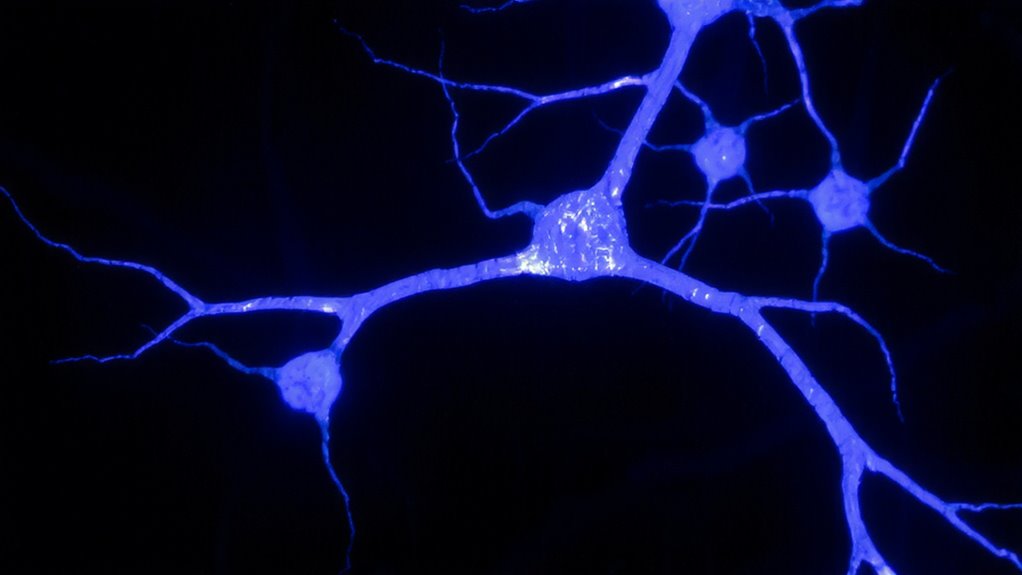
While your body relies on several mechanisms to wind down at night, one of the more effective involves magnesium teaming up with GABA to quiet overactive brain signals. You support GABA synthesis simply by maintaining adequate magnesium levels, which helps stabilize neurotransmitter balance. Magnesium acts as a cofactor in producing GABA, allowing your brain to manage stress and shift into rest more smoothly.
| Process | Role of Magnesium | Outcome for Sleep |
|---|---|---|
| GABA synthesis | Activates key enzymes | Increases calming signals |
| Neurotransmitter balance | Regulates excitatory signals | Reduces mental chatter |
| Brain signaling | Blocks excess glutamate | Promotes relaxation |
| Neural stability | Supports cell function | Enhances sleep readiness |
This natural interaction means magnesium may be a helpful part of your sleep routine, especially if diet or stress affects your levels.
How Magnesium Activates GABA Receptors
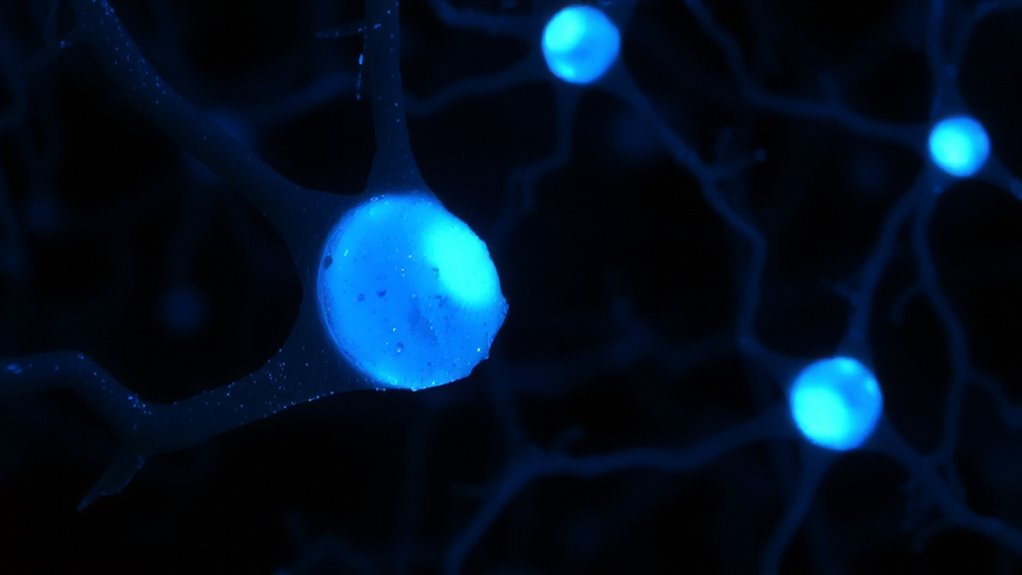
When your brain’s electrical activity remains too high at bedtime, magnesium steps in to support GABA receptor function, making it easier for calming signals to take hold. You benefit because magnesium enhances GABA modulation by stabilizing the receptor’s shape, allowing it to respond more efficiently to GABA. This process improves receptor binding, meaning GABA can attach more effectively and slow neural firing. Think of magnesium as a helper that doesn’t activate the receptor directly but makes it more receptive. This natural support can improve sleep onset and quality without sedative effects. If you’re considering sleep aids, products combining magnesium with GABA-supporting nutrients may offer balanced results. Look for forms like magnesium glycinate, known for better absorption. While not a medication, it offers a gentle option worth trying, especially if stress or mild restlessness affects your sleep. Always check labels for dosage and purity. For those experiencing anxiety or heart palpitations, choosing the best magnesium supplements can further support nervous system and cardiovascular health.
Symptoms of Low GABA or Magnesium
You’ve seen how magnesium supports GABA receptor function to calm nighttime brain activity, but if either magnesium or GABA levels are too low, you might notice it in how hard it is to unwind. You could feel restless, have trouble falling asleep, or wake frequently. Low GABA is linked to anxiety disorders, making your mind race when it should relax. Chronic stress worsens this cycle, using up magnesium and reducing GABA over time. You might also feel irritable, overwhelmed, or mentally foggy during the day. Muscle tension, headaches, and poor sleep quality often go hand in hand. These signs don’t confirm a deficiency, but they suggest your nervous system isn’t calming as it should. Recognizing them helps you consider whether dietary changes or sleep aids might help. It’s worth reviewing lifestyle factors and sleep patterns before choosing supplements. Some best sleep supplements combine magnesium with other calming ingredients to enhance GABA activity.
Top Magnesium Forms for GABA and Sleep
Choosing the right magnesium form can make a real difference in how well you sleep and how calm you feel at night. Magnesium glycinate is often preferred because it supports GABA synthesis and has strong magnesium absorption, helping you relax without digestive upset. Magnesium L-threonate may cross the blood-brain barrier more easily, potentially boosting brain magnesium levels and calming neural activity. Magnesium taurate, combined with the amino acid taurine, also promotes GABA synthesis and cardiovascular health. If you’re sensitive to laxative effects, avoid magnesium citrate at night-it absorbs well but can cause discomfort. Always check label details like dosage, form purity, and third-party testing to guarantee quality. While results vary, starting with a low dose lets you assess tolerance. There’s no one-size-fits-all, but forms like glycinate offer a balanced choice for sleep support through improved magnesium absorption and GABA activity.
Daily Habits to Boost GABA Naturally
Magnesium supplements can support GABA activity, but daily habits also play a key role in helping your body maintain calmness and improve sleep over time. You can naturally boost GABA by practicing slow, deep breathing techniques each evening; just 5–10 minutes of diaphragmatic breathing may help lower stress and support nervous system balance. Regular physical activity, especially low-intensity forms like walking or yoga, also encourages GABA production. Consider adding herbal supplements like passionflower or valerian root, which have been studied for their GABAergic effects and may complement your routine. Consistent sleep schedules and reduced screen time before bed further enhance results. While these habits vary in effects, combining them often supports better outcomes than relying on any single method alone. Trial periods of 2–4 weeks help determine what works best for you.
On a final note
You now know magnesium helps your brain use GABA, a key chemical for calming nerves and supporting sleep. If you struggle with rest, low magnesium or GABA might be factors. Forms like magnesium glycinate work well for sleep and are easy on the stomach. Combine supplements with consistent bedtime habits for best results. Always check dosage, try one product at a time, and allow a few weeks to assess effects. Most reputable brands offer a trial, so you can test what fits your body and routine.