Creating a Sleep-Inducing Evening Tea Blend With Four Calming Herbs
You can make a sleep-supporting tea with chamomile, passionflower, lavender, and valerian root-herbs shown to gently ease tension and support calm brain chemistry. Use one teaspoon each of dried chamomile, passionflower, and lemon balm, plus a smaller amount of valerian root if you tolerate its strength. Pour hot (not boiling) water over the mix, steep 10–15 minutes covered, then strain. Drink 30–60 minutes before bed to align with your body’s natural wind-down. Adjust amounts over a few nights to balance flavor and effect, especially if sensitive to valerian’s potency. Trying different blends helps you find what works most smoothly for your routine. More details on customizing the right fit follow.
Notable Insights
- Combine chamomile, passionflower, valerian root, and lemon balm for a synergistic sleep-supporting herbal tea blend.
- Use one teaspoon each of dried herbs per cup, steeped in hot water for 10–15 minutes to maximize potency.
- Drink 30 to 60 minutes before bed to align with natural wind-down rhythms and support relaxation.
- Adjust herb ratios to taste, reducing valerian root if the earthy flavor or scent is too strong.
- Consistent nightly use enhances effectiveness, with minimal risk of grogginess or dependency.
How This 4-Herb Tea Helps You Sleep
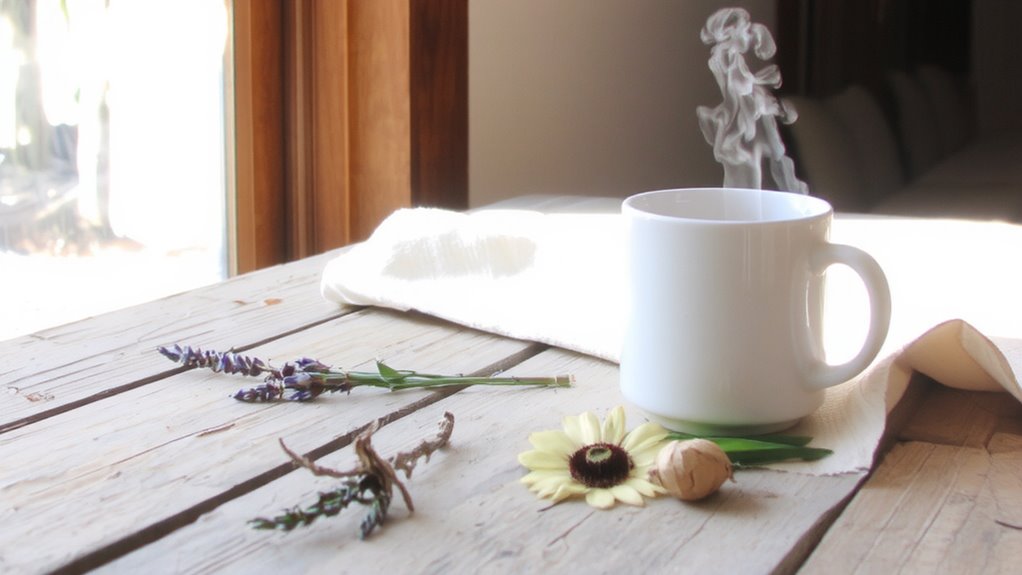
A cup of tea may be more than just a bedtime ritual-it can be a thoughtful step toward better sleep. When you drink this 4-herb blend, you’re supporting your brain chemistry in ways that may encourage relaxation. Compounds in the herbs interact gently with neurotransmitters linked to calmness, helping ease your mind before bed. This can be especially helpful if you often feel alert when you should be unwinding. The blend also helps moderate your stress response, reducing the intensity of your body’s reaction to daily tension. Unlike harsh sleep aids, this tea works subtly, without grogginess or dependency risks. There’s no trial period or warranty, but consistent use over a few nights often gives the clearest results. You decide what works-monitor how you feel, adjust timing or amount, and compare outcomes with other options. For those seeking a natural option, choosing high-quality ingredients like best chamomile tea can enhance the overall effectiveness of your blend.
What Each Calming Herb Does
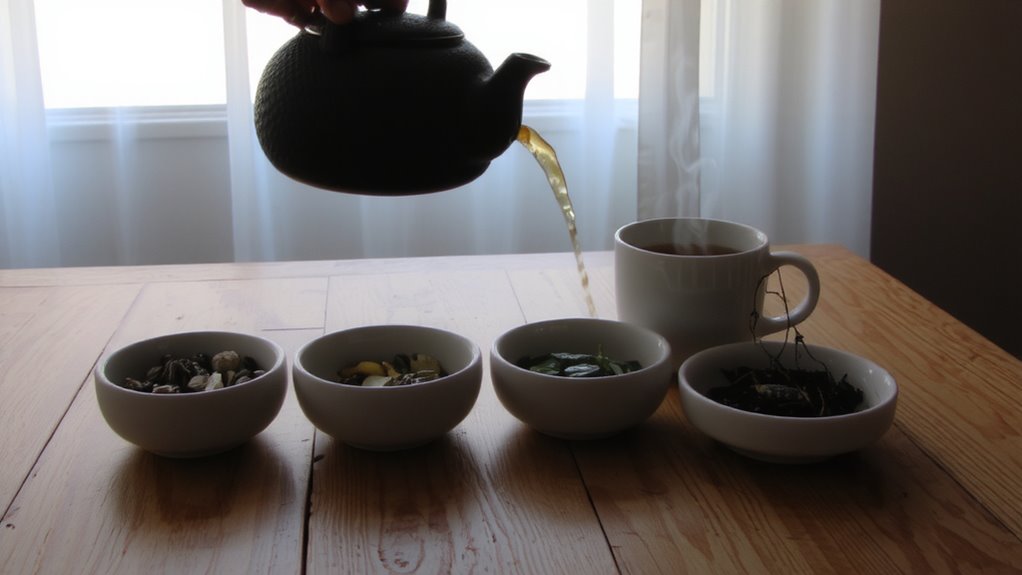
While each herb in this blend plays a unique role, together they work to support relaxation and prepare your body for rest. You’ll find chamomile soothing your nervous system, a trait backed by historical uses in European folk medicine. Passionflower has been traditionally used by Indigenous peoples of North America, offering cultural significance and mild sedative effects. Lavender contributes calming aromatics, long valued in Mediterranean traditions for easing tension. Meanwhile, valerian root, though strong in scent, has deep roots in ancient Greek and Roman remedies for sleep troubles. Each herb brings evidence-supported benefits, with varying strengths and sensory profiles. You might prefer milder blends if new to herbal teas, or stronger doses if you’ve tried other sleep aids without success. Consider how aroma, taste, and potency align with your needs when choosing your mix. For those seeking effective options, exploring the best sleep teas can provide further insight into trusted formulations.
How to Make Bedtime Herbal Tea
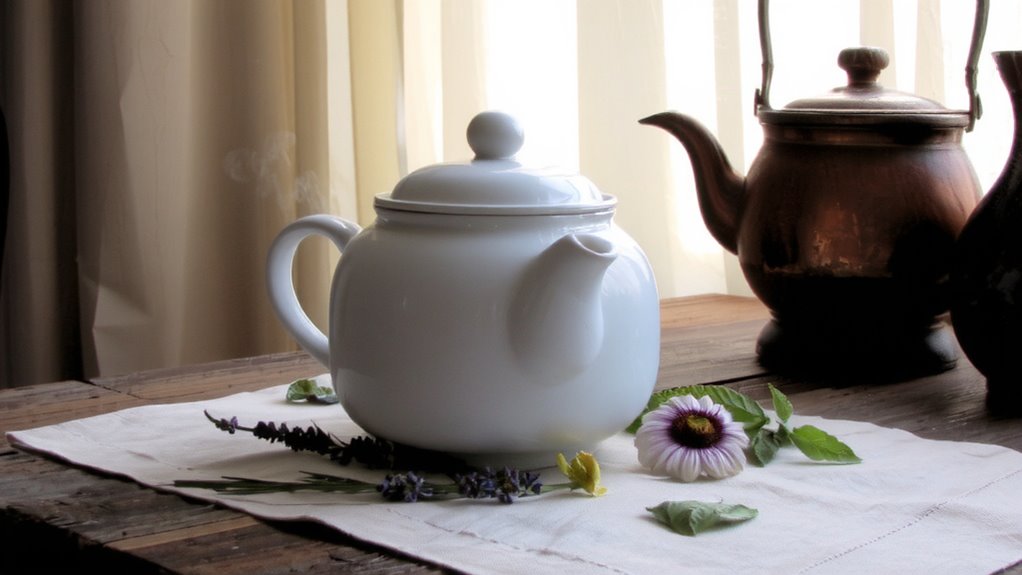
How do you turn these calming herbs into a tea that truly helps you unwind? Start with good herbal sourcing-choose organic, dried herbs like chamomel, passionflower, valerian root, and lemon balm to guarantee purity and potency. For tea preparation, use one teaspoon of each herb per cup, blending them gently. Boil water, then let it cool slightly before pouring over the herbs to preserve delicate compounds. Steep the mix for 10 to 15 minutes, covered, to trap aromatic oils. Strain before drinking. Use a tea infuser or bag for convenience, but loose herbs often yield better extraction. The warmth and ritual support relaxation, while consistent use may improve sleep onset. Always store herbs in airtight containers away from light. This method gives you control over strength and freshness, offering a natural, adjustable option compared to commercial sleep aids. For best results, choose blends backed by research on sleep-inducing herbal teas.
When to Drink It for Best Results
Since your body’s natural wind-down process begins about an hour before sleep, drinking this herbal blend 30 to 60 minutes before bedtime gives it time to take effect without disrupting your routine. This is the ideal timing for most people, letting the calming herbs interact gently with your system as you prepare for rest. You don’t need to make drastic changes-just align the tea with your current personal routine, like having it after brushing your teeth or during a short evening read. Consistency matters more than perfection. If you’re using the tea to support sleep patterns, stick with the same schedule each night to help regulate your body’s internal clock. Avoid drinking it too late, as even non-caffeinated teas may increase nighttime bathroom trips. Trial over a few nights will show how well it fits your habits and soothes your mind, helping you decide if it’s a sustainable addition.
How to Adjust for Taste and Sensitivity
A well-balanced evening tea should suit both your taste preferences and your body’s sensitivity, so feel free to adjust the strength by using less or more of the herb blend per cup. Finding the right flavor balance means tailoring the mix to your palate, while respecting ingredient potency guarantees it supports relaxation without overstimulation. Start with a smaller amount and gradually increase to find your ideal level.
| Herb | Suggested Starting Amount (per cup) |
|---|---|
| Chamomile | 1/2 tsp |
| Lavender | 1/4 tsp |
| Passionflower | 1/2 tsp |
| Valerian root | 1/4 tsp (optional) |
| Honey | To taste |
Use this as a guide, then modify based on your flavor balance and sensitivity. Reduce valerian if it’s too strong-its ingredient potency varies. Try the tea 30–60 minutes before bed to assess effects on sleep.
On a final note
This 4-herb tea blends chamomile, passionflower, valerian, and lemon balm to gently support sleep onset and relaxation. It’s caffeine-free and works best when steeped 5–10 minutes and drunk 30–60 minutes before bed. If sensitive to herbs, start with a half-cup to assess effects. Though not a cure for sleep disorders, it may reduce mild insomnia symptoms over time. Always consult a doctor if sleep issues persist or if you’re on medication.