Using Light Therapy Devices for Indoor Patients With Irregular Sleep-Wake Rhythm Disorder
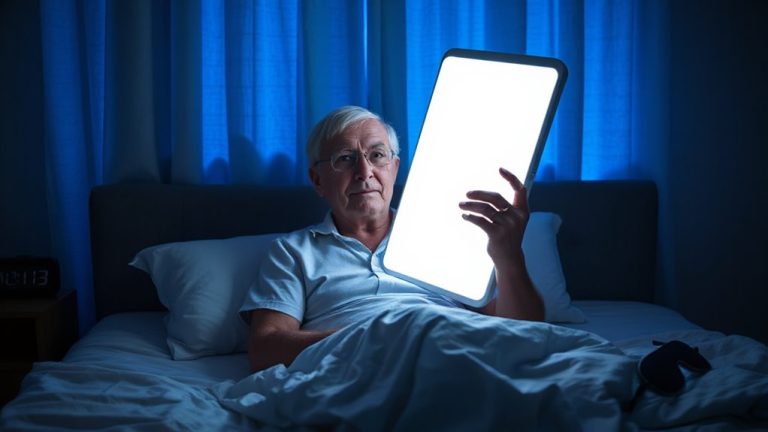
You can use a 10,000-lux light therapy device each morning to help reset your sleep-wake cycle, especially if you’re indoors most of the day. Sit 16–24 inches from the lamp or wear a light-therapy device within an hour of waking for 20–30 minutes. This morning light suppresses melatonin, boosts alertness, and gradually aligns your rhythm. Choose a device with even light distribution, a solid warranty, and a trial period. Consistency matters most-stick with it daily. There’s more to learn about shaping an effective routine that fits your lifestyle.
Notable Insights
- Light therapy mimics natural sunlight to help indoor patients regulate disrupted sleep-wake cycles.
- Use a 10,000-lux device for 20–30 minutes daily within one hour of waking.
- Position the device 16–24 inches from the face, angled slightly for optimal exposure.
- Consistent morning use suppresses melatonin and gradually aligns circadian rhythms.
- Avoid evening use to prevent sleep onset disruption and maintain rhythm stability.
Fix Your Sleep With Light Therapy
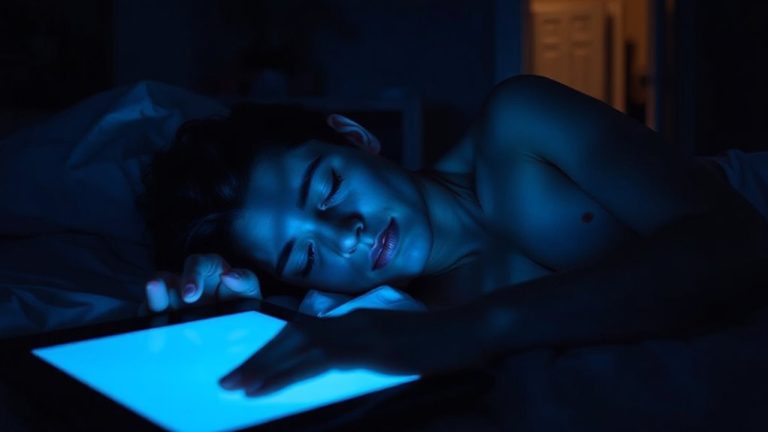
How often do you struggle to fall asleep or wake up feeling groggy, despite getting enough hours in bed? The issue might lie in your exposure to blue light and melatonin timing. Using light therapy can help correct these imbalances by mimicking natural sunlight. In the morning, 10,000-lux devices expose you to bright light, signaling your brain to reduce melatonin production and boost alertness. This helps anchor your sleep-wake cycle. For best results, use the device within an hour of waking for 20–30 minutes. Avoid blue light from screens in the evening, as it delays melatonin release and disrupts sleep onset. Most units are portable, lightweight, and require no setup. Many come with a 30-day trial and one-year warranty. Consider light boxes over wearable options for broader exposure. Consistency matters more than intensity-daily use yields the most reliable shifts in circadian timing. For those seeking non-clinical solutions, best light alarm clocks can simulate sunrise and support natural wakefulness.
How Light Therapy Resets Your Circadian Rhythm
Though your body’s internal clock runs on its own, it relies heavily on light cues to stay aligned with the outside world, and that’s where light therapy comes in. Exposure to bright light, especially in the morning, triggers melatonin suppression, which helps your body recognize it’s time to be awake. This process supports natural phase shifting-gradually moving your sleep-wake cycle to a more regular schedule. For indoor patients with limited sunlight access, light therapy devices provide consistent, strong light that mimics daylight, reinforcing your circadian rhythm. The right device delivers 10,000 lux at a comfortable distance, with a diffused light surface to reduce glare. Daily use, at the same time each day, increases effectiveness. Most units are built for durability, come with a 1–2-year warranty, and require no maintenance. Over weeks, you may notice improved sleep timing and better daytime alertness.
Use Light First Thing to Boost Alertness and Sleep
When you wake up, getting exposure to bright light right away can help reset your internal clock and increase daytime alertness. Morning brightness signals your brain to stop producing melatonin, making it easier to feel awake and focused. Light therapy devices that emit a blue wavelength-around 460–480 nanometers-are especially effective because your eyes’ photoreceptors respond strongly to this range. Just 20 to 30 minutes of exposure shortly after waking can improve sleep timing and quality over time. You’ll likely notice better energy during the day and smoother shifts into sleep at night. Consistency matters most-using light at the same time daily boosts results. Look for devices with clinical support, adjustable brightness, and even light distribution. Many come with a trial period or warranty, so check specs before choosing. Timing your light exposure correctly enhances both wakefulness and nighttime rest, supporting long-term rhythm stability.
Choose a Light Lamp or Wearable for Home Use
Why do some people reach for a light lamp while others prefer a wearable? Device selection often comes down to your routine and user comfort. Light lamps typically deliver 10,000 lux from a box placed on a desk, requiring you to sit nearby for about 20 minutes. They work well if you’re already reading or eating breakfast. But they limit your movement. Wearables-like light visors or glasses-are portable and let you go about your morning while still getting therapy. They’re less obtrusive for some, though initial brightness may feel odd. Both types are clinically tested, but comfort varies from person to person. Look for devices with adjustable settings, solid build quality, and at least a 30-day trial or warranty. Try each type if possible-what suits your space and habits matters as much as the light specs.
Build Your Daily 20-Minute Light Routine
If you’re starting light therapy, setting a consistent 20-minute routine can make a real difference in managing your sleep schedule. Aim for morning consistency by using your device at the same time each day, ideally within an hour of waking. This helps regulate your internal clock over time. Position the lamp or wearable where it delivers steady, indirect light to support eye comfort-avoid staring directly at the source. Most devices emit 10,000 lux, which studies show is effective when used for 20 minutes. Sit nearby while eating breakfast or reading. If you wear glasses or contact lenses, check if your device accommodates your vision needs. Some models have adjustable brightness or timers, which help maintain your routine without strain. You’ll likely notice better sleep patterns after a few weeks. Look for products with at least a 30-day trial so you can test what works best.
Avoid These 5 Light Therapy Mistakes
Could your light therapy routine be holding you back? Timing errors and device misuse are common but avoidable mistakes. Using your light box too late in the day can delay sleep instead of aligning it-aim for morning exposure within an hour of waking. Not positioning the device correctly reduces effectiveness; place it 16–24 inches from your face, angled slightly, and keep your eyes open but don’t stare at it. Using a device with insufficient brightness (less than 10,000 lux) means longer sessions and weaker results. Skipping days or stopping too soon disrupts progress-consistency matters. Also, check if your device is medically rated and has a solid warranty, ideally 1–2 years. Trial periods help test comfort and fit. Avoid these issues, and light therapy can better support your sleep-wake rhythm.
On a final note
You can use light therapy to help regulate sleep when indoors. Devices like lamps or wearables deliver bright light that resets your circadian rhythm. Start with 20 minutes each morning, ideally within an hour of waking. Choose a 10,000-lux lamp with UV filters or a wearable that directs light subtly. Look for medical-grade build, adjustable brightness, and a 30-day trial. Consistency matters more than intensity-stick to a routine for best results.