How to Stay Awake Longer With Advanced Sleep Phase Disorder
You can stay awake longer with advanced sleep phase disorder by using bright evening light therapy between 7–9 p.m. to delay melatonin release. Sit near a 10,000-lux light box for 30–60 minutes nightly. Take 0.5–1 mg of melatonin a few hours before your current bedtime to gradually shift your clock. Use caffeine carefully-100–200 mg before your energy drop-but avoid it after 8 p.m. Shift bedtime in 15–30 minute increments every few days, staying consistent even on weekends, and watch for early drowsiness as a sign of progress. There’s more to reflect on when aligning your rhythm long-term.
Notable Insights
- Use bright evening light therapy (10,000 lux) from 7–9 p.m. to delay melatonin release and push back sleep time.
- Take 0.5–1 mg of melatonin at 7–9 p.m. nightly to gradually shift your internal clock later.
- Consume 100–200 mg of caffeine 30–60 minutes before early drowsiness, but avoid it after 8 p.m.
- Gradually delay bedtime by 15–30 minutes every few days while maintaining a consistent wake-up time.
- Recognize and track early sleep phase symptoms, like evening drowsiness and predawn waking, to guide treatment.
Use Evening Light to Delay Your Sleep (For ASPD)

Why might light in the evening help you stay awake longer if you have Advanced Sleep Phase Disorder? Because your body’s internal clock runs too early, making you sleepy by 7 or 8 p.m. Evening light therapy can help reset that timing. Exposure to bright light-especially cool-white or blue-enriched light-around 7 to 9 p.m. delays melatonin release, pushing your bedtime later. This supports circadian rhythm adjustment by signaling your brain that it’s still daytime. Use a light box emitting 10,000 lux for 30–60 minutes, sitting within 16–24 inches. Consistency matters: do this nightly, avoiding early morning light that could shift you back. Results often appear in 1–2 weeks. Look for devices with timers, stable output, and diffusers for safety. Some come with trial periods, letting you test effectiveness. Evening light therapy isn’t instant but offers a non-drug way to realign sleep.
Take Melatonin to Shift Your Body Clock Later
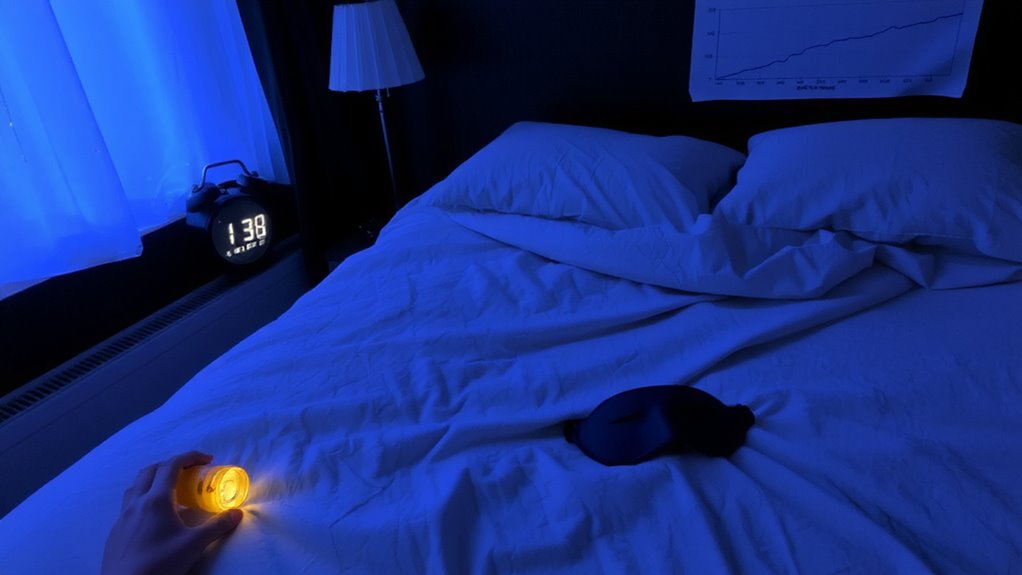
You’ve probably tried evening light therapy to push back your sleep schedule, and while it helps many with Advanced Sleep Phase Disorder, adding melatonin at the right time can boost those efforts. Taking melatonin a few hours before your current sleep timing-usually 7 to 9 p.m.-can gently shift your circadian rhythm later. This hormone doesn’t knock you out; instead, it signals to your body that nighttime is approaching, just later than before. Start with a low dose, like 0.5 to 1 mg, to reduce grogginess and side effects. Consistency matters most: take it at the same time every night. It may take several days to see changes in your sleep timing. Talk to your doctor to make sure melatonin fits your health needs, especially if you’re on other medications. Used correctly, it’s a practical tool to help realign your internal clock.
Use Caffeine Strategically to Stay Awake Safely
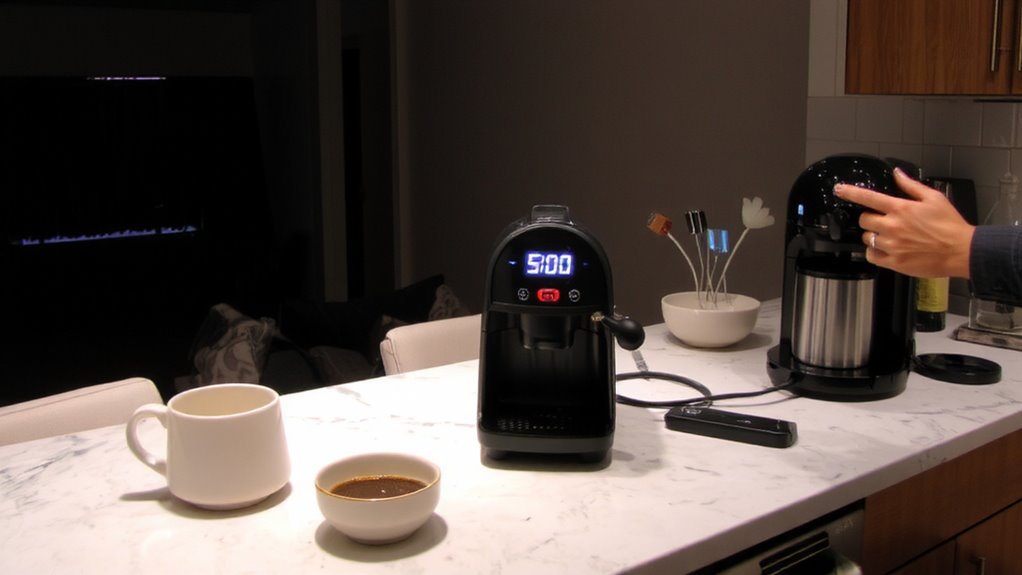
While light therapy and melatonin help adjust your internal clock, using caffeine wisely can give you an extra edge in staying awake during early evening hours when your body wants to wind down. You’ll need to focus on caffeine timing-ideally, take a dose 30 to 60 minutes before your energy starts dropping, usually around 6–8 p.m. This helps counteract your early sleep signal without interfering with nighttime sleep. Stick to 100–200 mg per dose for effective dosage management; more isn’t always better and might cause jitteriness or crashes. Avoid taking caffeine after 8 p.m., so it clears your system before bedtime. Use caffeine as a short-term support, not a daily crutch. Track your response over a few days to fine-tune timing and amount. When used thoughtfully, caffeine can be a helpful tool in managing your alertness safely.
Shift Your Bedtime Gradually With Consistency
Typically, shifting your bedtime begins with small, consistent changes that align better with your natural rhythm and daily obligations. You’ll want to delay your bedtime by 15 to 30 minutes every few days, giving your body time to adjust without stress. Sticking to a regular sleep schedule-even on weekends-supports better sleep hygiene and strengthens your internal clock. Pair this gradual shift with calming bedtime routines like reading or dimming lights to signal it’s time to wind down. Consistent cues help your brain recognize when sleep is approaching, making the adjustment smoother. Avoid screens and stimulating activities close to bed. Over time, these steady adjustments can help you stay awake longer without disrupting overall rest. Patience and repetition are key-rushed changes often backfire. Track your progress and tweak as needed for the best balance.
Recognize Early Sleep Signs of Advanced Phase Disorder
Noticing you’re tired by early evening or struggling to stay awake during dinner might be more than just a habit-it could signal Advanced Sleep Phase Disorder (ASPD). You may experience early drowsiness, falling asleep between 6–9 p.m. even if you try to stay up. This shift means you wake up too early, often before dawn, and can’t fall back asleep. That early wake time can lead to morning fatigue, leaving you unrefreshed despite adequate sleep hours. Unlike typical tiredness, ASPD follows a consistent pattern across days and weeks. Recognizing these signs helps distinguish it from poor sleep hygiene or stress. Tracking your sleep patterns for a couple weeks gives clearer insight. If early drowsiness continues, consider consulting a sleep specialist. Treatments like light therapy or melatonin may help adjust your rhythm. Early detection improves your ability to manage symptoms effectively.
On a final note
You can manage advanced sleep phase disorder by using evening light and delayed melatonin to shift your rhythm gradually. Caffeine, used carefully, may help you stay awake longer but shouldn’t replace consistent timing. Watch for early sleep signs to adjust sooner. Small, steady bedtime shifts with daily consistency improve results. These strategies work best when combined and tailored to your schedule. Give each change time to test its effect, usually over several days.