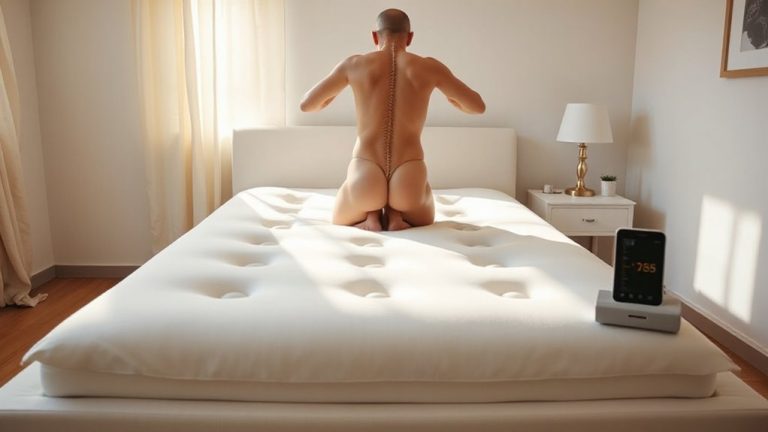
The Connection Between Circadian Pacemaker Dysfunction and Irregular Sleep-Wake Rhythm Disorder
Your circadian pacemaker, based in the brain’s hypothalamus, normally aligns sleep with light-dark cycles. When it malfunctions, irregular sleep-wake rhythm disorder can develop, causing scattered naps and nighttime awakenings without restorative sleep. This dysfunction often occurs with neurological conditions or poor light exposure. You can improve rhythm using morning light, evening melatonin, and consistent scheduling. Results typically appear after several weeks of steady use under medical guidance-progress they may already be curious to explore further.
Notable Insights
- Irregular Sleep-Wake Rhythm Disorder (ISWRD) stems from dysfunction in the circadian pacemaker, disrupting the body’s internal clock.
- The suprachiasmatic nucleus, which regulates circadian rhythms, fails to synchronize with light-dark cycles in ISWRD.
- Circadian misalignment leads to fragmented sleep patterns without a consolidated nighttime sleep period.
- Impaired melatonin release and response contribute to irregular sleep timing and reduced sleep quality in ISWRD.
- Treatments targeting circadian resynchronization, like light therapy and timed melatonin, help restore normal sleep-wake cycles.
What Is Irregular Sleep-Wake Rhythm Disorder?
How would your sleep feel if it came in fits and starts throughout the day instead of one solid block at night? That’s the reality with irregular sleep-wake rhythm disorder, where your internal circadian pacemaker loses its clear signal. You might catch brief rest at odd hours-think unplanned cafe naps between tasks-without feeling truly refreshed. Unlike most people, your body doesn’t respond well to natural cues like sunlight or routine schedules. Exposure to blue light at night can further confuse your system, making it harder to stabilize. This pattern isn’t just inconvenient; it affects daily performance and long-term health. Treatment often involves structured routines, timed light exposure, and sometimes sleep aids under medical guidance. Many find relief through consistency, not medication. A doctor can help design a plan using your habits and environment to reset your rhythm safely.
Symptoms of a Disrupted Sleep-Wake Cycle
You might already know what it’s like when your sleep doesn’t follow a clear pattern, especially if you’ve experienced irregular sleep-wake rhythm disorder, where rest happens in scattered bursts without a reliable nightly anchor. Sleep fragmentation is common-you wake often or nap unpredictably, making it hard to feel rested. Your energy levels likely shift throughout the day, with fatigue setting in during normal activity hours. Mood disturbances often follow, including irritability, low motivation, or mild depression, because your brain doesn’t get consistent recovery time. You may find focus tough and social routines harder to maintain. These symptoms don’t just disrupt nights-they affect daily function. Recognizing sleep fragmentation and mood disturbances helps you decide whether to track patterns, adjust light exposure, or consult a specialist. Tools like sleep journals or wearable trackers can clarify your cycle. Early, informed steps improve your chances of managing the condition effectively.
How a Healthy Body Clock Regulates Sleep
Even though you can’t see it, your body runs on a roughly 24-hour cycle guided by an internal pacemaker in the brain’s hypothalamus, specifically the suprachiasmatic nucleus, which responds to light and dark cues to time key functions like sleep, hormone release, and body temperature. When light exposure drops in the evening, your brain signals increased melatonin production, helping you feel sleepy. Morning light, in contrast, suppresses melatonin and boosts alertness. This rhythm keeps your sleep schedule consistent, aligning rest with nighttime and activity with day. A stable body clock improves sleep quality, supports mental clarity, and enhances daily performance. Maintaining regular light exposure patterns-like getting sunlight early and limiting screens at night-supports this system. Disruptions, such as irregular schedules or excessive blue light, can interfere. Understanding your body’s timing helps you make informed choices about sleep hygiene, environment, and, if needed, clinically reviewed aids that align with your natural rhythm.
Who Is Most Likely to Develop ISWRD?
Irregular Sleep-Wake Rhythm Disorder (ISWRD) most often appears in people whose internal body clocks have weakened or lost their ability to respond to daily environmental cues. If you live with neurological conditions like Alzheimer’s, Parkinson’s, or brain injuries, you’re more likely to develop ISWRD because these affect the brain’s circadian centers. You may also be at higher risk if mental health factors such as depression or anxiety disrupt your sleep patterns over time. Shift workers and those without structured daily routines often see similar disruptions. You might notice your sleep broken into fragments across 24 hours, with no clear main sleep period. Though ISWRD is rare, recognizing your risk helps you monitor sleep changes early. Watching for these signs lets you seek help before the pattern deepens.
Treating and Resetting the Circadian Rhythm
How can you start realigning your body’s internal clock when sleep feels out of sync? Consistent routines and targeted interventions like light therapy and melatonin supplementation can help. Exposure to bright light in the morning signals alertness, while avoiding blue light at night supports natural melatonin release. Taking melatonin supplements 1–2 hours before desired bedtime may reinforce rhythm, especially when combined with behavioral adjustments.
| Intervention | Timing | Purpose |
|---|---|---|
| Light therapy | Morning | Boost alertness, reset clock |
| Melatonin supplementation | Evening | Promote sleep onset |
| Sleep scheduling | Fixed daily times | Stabilize circadian rhythm |
These strategies work best when used together over several weeks. Results vary, so patience and consistency matter. Always consult a healthcare provider before starting supplements or light therapy devices, especially if you have underlying conditions.
On a final note
You’re more likely to stay alert and feel rested when your body clock runs smoothly. If you suspect irregular sleep-wake rhythm disorder, track your sleep patterns and consult a specialist. Treatment may include light therapy, scheduled routines, or melatonin under guidance. Devices and apps can help monitor progress, often with trial periods or warranties. Consider proven methods first-behavioral changes often work better long-term than sleep aids.