The Role of Sleep Efficiency in Determining Cycle Quality
You’re likely spending more time in bed than your body actually uses for sleep, and that gap-known as sleep efficiency-directly shapes how smoothly you move through critical sleep stages like deep restoration and REM. Low efficiency interrupts cycle continuity, reducing time in restorative phases and affecting mood, focus, and long-term health. Tracking with wearables or sleep diaries helps identify disruptions, while a consistent routine and ideal sleep environment improve alignment. Addressing underlying issues like apnea or insomnia with professional guidance can restore cycle quality and overall well-being. There’s more to uncover about fine-tuning your sleep patterns.
Notable Insights
- Sleep efficiency reflects how well time in bed translates to actual sleep, directly influencing sleep cycle continuity.
- High sleep efficiency supports stable progression through deep and REM sleep stages essential for restorative rest.
- Low efficiency disrupts cycle regularity, reducing time spent in critical restorative phases like deep and REM sleep.
- Frequent nighttime awakenings fragment sleep cycles, impairing memory consolidation and physical recovery processes.
- Tracking sleep efficiency helps identify disruptions and guide interventions to improve overall sleep cycle quality.
What Sleep Efficiency Really Means (And Why It Matters)
Sleep efficiency isn’t just a number on a sleep tracker-it’s a clear measure of how well you’re actually resting once you’re in bed. You get it by comparing total sleep time to time spent in bed; higher percentages mean less lying awake. Good sleep efficiency supports healthy sleep architecture, letting you progress smoothly through stages like deep and REM sleep. It’s closely tied to circadian alignment-when your body’s internal clock matches your sleep schedule. Misalignment disrupts this rhythm, lowering efficiency and weakening rest quality. Poor efficiency may signal issues like insomnia or sleep apnea, worth discussing with a provider. Some find relief with behavioral changes, while others consider sleep aids after reviewing options with their doctor. Devices and apps can help track patterns, but look for those with clear data sharing, strong privacy policies, and trial periods to test comfort and usefulness.
How It Shapes Your Sleep Cycles
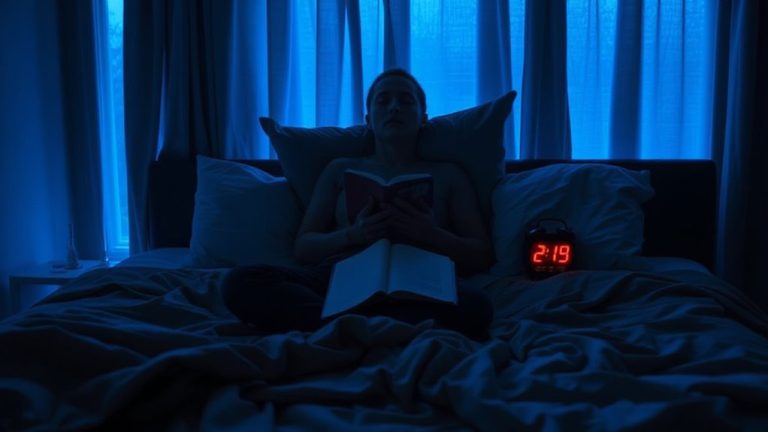
Why do you wake up feeling unrested even after spending hours in bed? It’s likely because your sleep efficiency is low, disrupting how well you reach deep sleep and maintain steady REM cycles. When you spend too much time awake in bed, your brain doesn’t shift smoothly between stages. Deep sleep restores your body, while REM cycles support memory and mood. Poor efficiency shortens both, leaving you tired. You might not notice every disruption, but over time, these missed stages pile up. Tracking your sleep patterns can show where breaks occur. Some use sleep aids or adjust routines to reduce interruptions. Devices with sleep staging help identify trends. Improving sleep hygiene often yields results without medication. Consider trying changes for at least two weeks to see improvement. A better night isn’t just about time in bed-it’s about quality, cycle balance, and consistency. For accurate insights, consider using a sleep quality monitor to assess your nightly rest patterns.
Common Symptoms of Low Sleep Efficiency
How do you know if your sleep isn’t working as well as it should? You might notice restless nights, where you toss and turn or wake up often, struggling to stay asleep. These disruptions make it hard for your body to move smoothly through sleep cycles, reducing overall restfulness. If you’re regularly tired during the day despite spending enough time in bed, you’re likely experiencing daytime fatigue-a key sign of low sleep efficiency. You may find it hard to focus, feel sluggish, or rely on caffeine to stay alert. Poor sleep efficiency doesn’t just affect energy; it impacts mood and long-term health. Recognizing these symptoms helps you decide whether to adjust habits, explore sleep aids, or consult a specialist. Not all solutions work the same, so tracking how you feel over time matters.
Tools to Track Your Sleep Efficiency
A growing number of tools can help you measure how well you sleep, not just how long. Wearable devices and smartphone apps now track sleep efficiency by analyzing movement, heart rate, and breathing patterns. Many include smart alarms that wake you during lighter sleep stages, helping you feel more refreshed. These alarms use your sleep cycle data to time alerts more effectively than traditional alarms. Sleep diaries are another practical option-you manually log bedtime, wake time, and disturbances, giving you detailed insight over days or weeks. While less automated, they’re free and help identify patterns linked to habits or environment. Some tools offer trial periods or warranties, letting you test accuracy and comfort. Pairing a wearable with a sleep diary can improve tracking reliability. Both methods support better decisions about sleep routines, possible disorders, or whether sleep aids might help.
How Poor Efficiency Disrupts Your Body Clock
Even if you’re spending enough time in bed, poor sleep efficiency can quietly throw off your body’s internal clock, making it harder to fall asleep or wake up feeling rested. When your sleep is frequently interrupted or light, your brain doesn’t get the steady rest it needs to maintain a stable rhythm. This leads to circadian misalignment, where your body’s natural cycle drifts out of sync with daylight and nighttime cues. Screen use late at night or inconsistent bedtimes can cause melatonin suppression, reducing the hormone that signals it’s time to sleep. Over time, this weakens sleep quality and harms daily focus and mood. You might not notice the shift right away, but the effects build. Recognizing these patterns helps you make informed choices about routines or tools that support better timing and rest, without relying on sleep aids unless necessary.
How to Boost Your Sleep Efficiency
What if better sleep wasn’t about sleeping longer, but about making the time you already spend in bed more effective? You can boost your sleep efficiency by optimizing your sleep environment and sticking to a consistent bedtime routine. Keep your room cool, dark, and quiet-these conditions support uninterrupted rest. Limit screen exposure at least 30 minutes before bed, since blue light can interfere with melatonin production. A predictable bedtime routine, like reading or light stretching, signals your body it’s time to wind down. Avoid heavy meals and caffeine close to bedtime. If you suspect a sleep disorder, consult a specialist instead of relying on over-the-counter aids. Many prescription and over-the-counter options exist, but they vary in ingredients, dosing, and trial periods, so review warranty-like guarantees and side effects carefully. Small, informed changes improve performance over time. Side sleepers using CPAP machines may benefit from specialized support, such as CPAP pillows for side sleepers.
On a final note
You now see how sleep efficiency affects your rest quality and daily energy. Tracking it helps identify patterns and potential issues like insomnia or sleep apnea. If problems persist, consult a professional before using aids, as some may disrupt natural cycles. Consider devices with reliable sensors and clear data feedback. Look for trial periods to test comfort and accuracy. Small changes-like reducing screen time or adjusting room temperature-can improve efficiency without cost or risk.