Implementing Sleep Efficiency Calculations to Optimize Time in Bed
You can improve your sleep quality by calculating your sleep efficiency-just divide your actual sleep time by the total time you spend in bed, then multiply by 100. Aiming for 85% or higher helps guarantee you’re not lying awake too long. Use a wearable or sleep app to track stages and catch disruptions like restlessness or wake time. Reducing screen exposure before bed and sticking to a consistent bedtime within 30 minutes nightly boosts results. Cooler room temperatures and minimizing noise also support deeper rest. Adjusting small habits makes a measurable difference-and there’s more to discover about fine-tuning your routine.
Notable Insights
- Calculate sleep efficiency using (actual sleep time ÷ time in bed) × 100 to assess rest quality.
- Aim for 85% or higher sleep efficiency to ensure time in bed aligns with restorative sleep.
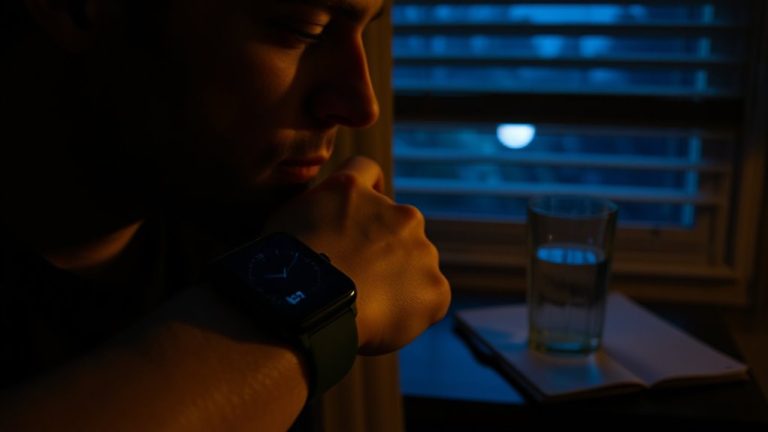
- Use wearables or sleep apps to automatically track sleep stages and compute efficiency accurately.
- Reduce bedtime procrastination and pre-sleep screen exposure to improve sleep onset and continuity.
- Maintain a consistent bedtime and optimal sleep environment to enhance sleep efficiency over time.
Understand Sleep Efficiency and Why It Matters
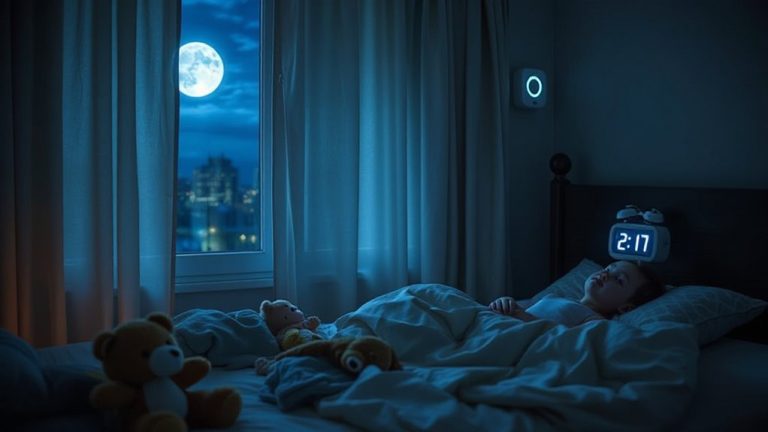
What makes some people feel refreshed after six hours while others drag even after eight? It often comes down to sleep quality and your circadian rhythm. You might spend eight hours in bed, but if your sleep is fragmented or out of sync with your body’s natural clock, you won’t get the restorative rest you need. Sleep efficiency measures how much time in bed you actually spend sleeping-higher percentages mean better alignment between time and rest. Poor sleep quality can stem from stress, environment, or undiagnosed disorders like apnea. If you’re tired despite long time in bed, consider tracking patterns over time. Some find over-the-counter aids helpful briefly, but long-term solutions often require professional evaluation. Devices like wearables can monitor sleep stages and circadian shifts, helping you adjust habits. Small changes-consistent bedtimes, dark rooms, limiting screens-can improve efficiency without cost or risk.
Calculate Your Sleep Efficiency in Minutes
You’ve likely noticed how your energy levels vary from day to day, even if your time in bed stays about the same. That’s where sleep efficiency comes in. To calculate it, start by tracking your total time in bed and subtract both sleep latency-the time it takes to fall asleep-and wake duration-any minutes spent fully awake during the night. The result is your actual sleep time. Divide that by your total time in bed, then multiply by 100 to get a percentage. A high sleep efficiency (typically 85% or more) suggests you’re spending most of your time in bed asleep. Lower values might point to issues like delayed sleep onset or frequent awakenings. This simple math helps you assess sleep quality objectively, guiding potential adjustments to routines, environments, or considerations for professional advice.
Use Apps to Track Sleep Efficiency
How can you measure your sleep efficiency without spending hours on calculations or guesswork? You can use sleep tracking apps that automatically record your sleep patterns and calculate efficiency for you. These apps rely on sensors in your phone or wearable device to monitor when you fall asleep, wake up, and how often you stir. With built-in app features like sleep stage analysis and efficiency scores, you get clear, daily feedback. Some apps even sync with fitness trackers to improve accuracy. Most offer charts that show trends over time, helping you spot shifts linked to stress or routine changes. Trial periods let you test performance before paying, and many include warranties or money-back guarantees. While not medical-grade, these tools offer reliable insights for general use. You can decide whether to adjust your bedtime or seek advice about possible sleep disorders.
Boost Sleep Efficiency by Fixing These Habits
Could your nightly routine be working against you without you even knowing? Bedtime procrastination often plays a bigger role than you think, delaying sleep even when you’re tired. Choosing to scroll, watch videos, or finish tasks cuts into rest, reducing sleep efficiency. Screen exposure worsens this by suppressing melatonin, the hormone that signals it’s time to sleep. The blue light from phones, tablets, and TVs tricks your brain into staying alert. Limiting screen use at least 30–60 minutes before bed supports natural sleep onset. Replacing late-night scrolling with low-light reading or light stretching can improve your time in bed. These adjustments don’t require drastic changes but do need consistent trial. Over time, tracking improvements helps determine what’s working. Small shifts in habit lead to measurable gains in sleep quality and next-day energy without relying on sleep aids.
Optimize Your Bedtime for Better Sleep Efficiency
When should you actually be going to bed to get the most out of your sleep? The answer depends on your sleep needs and wake time. Aim for bedtime consistency-going to bed and waking up at the same time daily-to regulate your body’s clock. Pair this with an effective sleep environment setup: cool, dark, and quiet. Consider these key elements when planning your ideal bedtime:
| Factor | Ideal Condition |
|---|---|
| Lights out | 30 minutes before target |
| Room temperature | 60–67°F (15–19°C) |
| Screen use | None in last 30 minutes |
| Noise level | Minimal or white noise |
| Bedtime consistency | Within 30 minutes daily |
Adjust gradually, track your sleep efficiency, and refine your routine based on weekly patterns. Small changes improve rest without relying on sleep aids.
On a final note
You now know how sleep efficiency affects rest and how to measure it. Use apps or simple math to track your patterns over time. Small habit changes-like limiting screens or adjusting bedtime-can improve performance. Consider sleep aids only after testing non-drug methods. Most come with trial periods or warranties, so compare features carefully. Focus on consistency, comfort, and evidence-based tools to support long-term results.