Optimizing Bedroom Environments for Teenagers With Delayed Sleep Phase Disorder During Adolescence
Keep your bedroom cool, ideally between 60–67°F, to support your body’s natural sleep cues. Use blackout curtains or a sleep mask to block early light, and consider white noise or earplugs if noise disrupts you. Ditch screens an hour before bed, or wear amber blue light-blocking glasses if you must use them. A consistent bedtime routine helps, and morning sunlight or a 10,000-lux lamp can reset your internal clock. Small changes add up-you’ll see how adjustments can improve your sleep timing over time.
Notable Insights
- Maintain a cool bedroom temperature between 60–67°F to support natural sleep onset in teens with delayed circadian rhythms.
- Use blackout curtains or a sleep mask to block early morning light that can disrupt sleep in light-sensitive adolescents.
- Eliminate blue light exposure by removing screens or using amber blue light-blocking glasses at least one hour before bedtime.
- Incorporate white noise machines or earplugs to reduce environmental noise disruptions and improve sleep continuity.
- Reserve the bed for sleep only, reinforcing the bedroom as a sleep-conducive environment free from distractions.
Why Teens Struggle to Fall Asleep (And How DSPD Works)
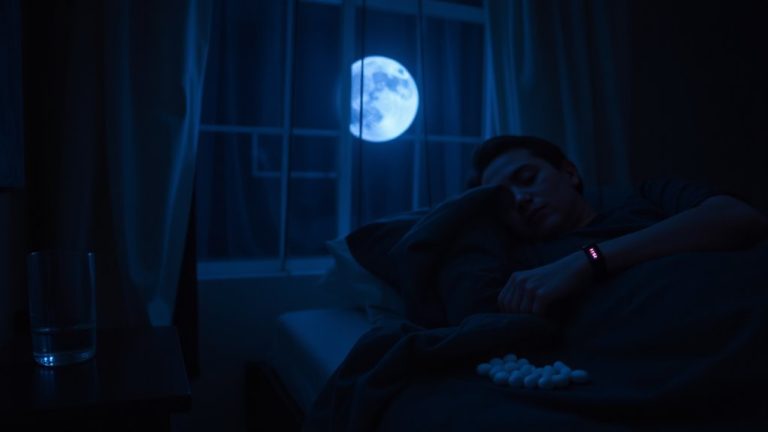
While your teen’s late-night energy might seem like simple defiance, it’s often tied to natural shifts in their biological clock that make falling asleep earlier nearly impossible. Their melatonin timing shifts later, usually starting only around 10–11 p.m., which delays sleepiness. At the same time, sleep pressure builds more slowly, so they don’t feel tired even when you expect them to. This delay is part of Delayed Sleep Phase Disorder (DSPD), where their internal rhythm runs hours behind typical sleep schedules. It’s not laziness-it’s biology. Recognizing this helps guide choices about bedtime routines or possible interventions. Understanding melatonin timing and sleep pressure lets you weigh options like light therapy or carefully timed melatonin supplements under medical guidance. These aren’t quick fixes, but tools with specific uses. Trial periods and doctor input improve safety and fit. Tracking sleep patterns over time can provide valuable insights, and using a reliable sleep tracking device can help monitor progress and inform treatment adjustments.
Block Blue Light That Delays Teen Sleep
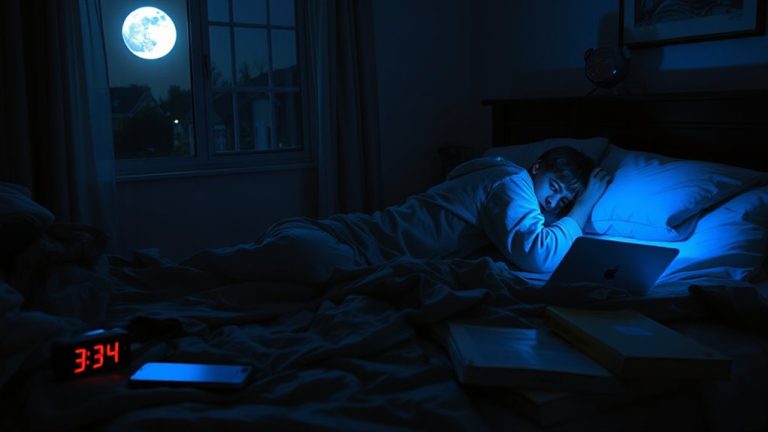
Since blue light suppresses melatonin and pushes back your teen’s natural sleep rhythm, blocking it in the evening can make a noticeable difference in their ability to fall asleep on time. Blue light from phones, tablets, and screens causes significant melatonin suppression, making it harder to feel sleepy. You can reduce exposure by using built-in night modes that shift colors to warmer tones after sunset. Consider blue light-blocking glasses with amber lenses-they’re affordable, easy to use, and don’t require device changes. Some families prefer installing apps that limit blue light automatically based on time. While results vary, most teens notice improved sleep onset within a week of consistent use. Look for glasses labeled “block 100% of blue light up to 500 nm” for best performance. A 30-day trial period helps assess whether the change supports better sleep timing.
Create a Sleep-First Bedroom: Cool, Dark, and Quiet
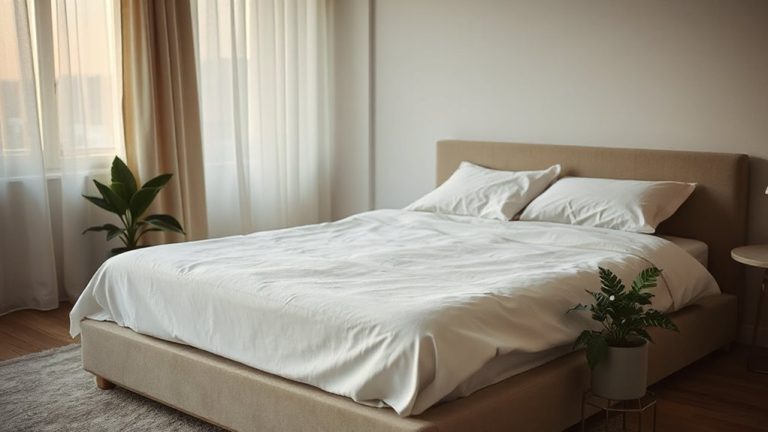
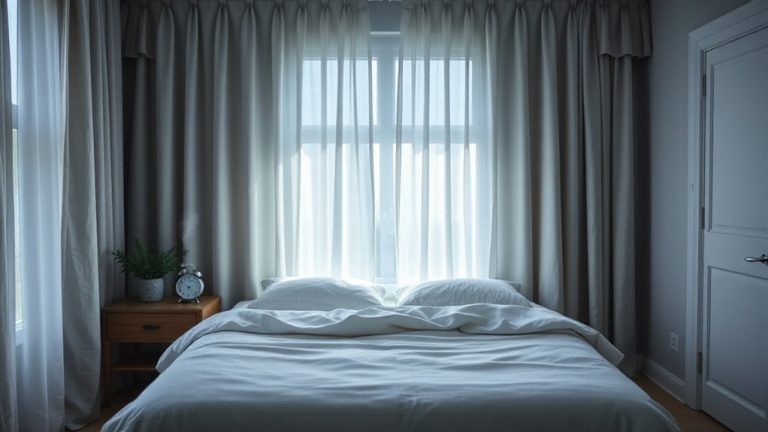
A cool, dark, and quiet bedroom isn’t just comfortable-it’s essential for teens with Delayed Sleep Phase Disorder who need strong environmental cues to reset their sleep schedules. You can support better sleep by focusing on temperature control and noise reduction. Keep the room between 60–67°F (15–19°C), since cooler temps help signal sleepiness. Use breathable bedding and adjust layers instead of turning up the heat. For darkness, blackout curtains or a sleep mask block early morning light. Noise reduction matters just as much-consider a white noise machine or earplugs to minimize disruptions from outside sounds. These tools don’t require a prescription and often come with trial periods, so you can test what works. Simple changes in your bedroom’s environment can improve sleep quality without added effort. Consistency enhances their effect. For effective light blocking, consider installing best-quality blackout curtains that significantly reduce external light exposure.
Build a 30-Minute Screen-Free Routine That Sticks
Consistency in your bedtime routine shapes the foundation of better sleep, especially when screen exposure winds down. A 30-minute screen-free window helps your brain shift into rest mode. Start by picking calming activities-reading a physical book, journaling, or light stretching-something repeatable and low-stimulus. Bedtime consistency isn’t built overnight; it grows through routine reinforcement. Try using a small reward system, like checking off a chart or tracking progress in an app, to encourage adherence. Keep the environment dim and quiet, aligning with your sleep-first bedroom. If distractions arise, troubleshoot by removing devices from reach or using a timer to signal the start of your routine. Over time, this habit strengthens your sleep-wake cycle. It doesn’t need to be perfect-just consistent. Trial periods of one to two weeks help assess what works best for your rhythm.
Reset the Clock With Morning Light Exposure
What if the key to shifting your teen’s sleep schedule lies not in what they do at night, but in the first moments of their morning? Exposure to bright light soon after waking helps reset their circadian rhythm, signaling the brain that the day has begun. Natural sunlight is ideal, so encourage your teen to eat breakfast near a window or take a short walk outside. On cloudy days or in winter, light therapy lamps can be effective-look for ones with 10,000 lux output and a UV filter. Use the lamp for 20–30 minutes each morning at the same time to build consistency. Regular morning light exposure strengthens the body’s internal clock, making it easier to fall asleep earlier at night. This non-invasive step supports long-term adjustment without medication. For reliable options, consider reviewing the best sleep therapy lamps to ensure effective light exposure.
Track Sleep Changes and Adjust What’s Not Working
How can you tell if the changes you’ve made are actually working? Start by using sleep tracking, like a wearable device or app, to monitor your sleep patterns over time. These tools show how long it takes you to fall asleep, how often you wake up, and total sleep duration. Look for trends across at least two weeks, not just one or two nights. If you’re still struggling, revisit your routine and environment. Maybe your bedtime flexibility needs adjusting-try shifting your bedtime by 15-minute increments, either earlier or later, to find what aligns with your body’s rhythms. Don’t keep a failing plan just because it sounded good. Test small changes, track results, and stay open to tweaks. Sleep tracking helps you see what’s really happening and guides better decisions about light exposure, screen use, or even whether to consult a specialist.
On a final note
You can manage delayed sleep phase disorder by adjusting your environment and habits. Block blue light in the evening, keep your bedroom cool, dark, and quiet, and stick to a 30-minute screen-free routine before bed. Use morning light to reset your body clock. Track your sleep patterns for a few weeks, then tweak what’s not working. Small, consistent changes improve sleep naturally-no aids needed yet.