What Lifestyle Factors Doctors Evaluate During Insomnia Consultations
Doctors often ask about your caffeine use, screen time, and exercise habits to see how they affect your sleep. You might not realize how evening coffee or late scrolling keeps you awake. Stress and inconsistent bedtimes also play big roles in insomnia. They’ll check your nightly routine and emotional triggers to find patterns. Small changes-like cutting caffeine earlier or setting a fixed bedtime-can help. If these factors aren’t improving your rest, there’s more to contemplate.
Notable Insights
- Caffeine intake timing and daily consumption levels are assessed due to its stimulant effects and impact on sleep onset.
- Evening screen use is evaluated for blue light exposure that suppresses melatonin and delays sleep.
- Exercise routines are reviewed to determine if late-day physical activity interferes with sleep onset.
- Stress levels and emotional triggers are explored as contributors to chronic sleeplessness and hyperarousal.
- Bedtime habits, including sleep schedule consistency and pre-sleep behaviors, are analyzed for insomnia risk factors.
How Caffeine Fuels Insomnia
Caffeine, that morning pick-me-up in your coffee, tea, or energy drink, might be working against your sleep more than you realize. Your body builds caffeine tolerance over time, meaning you need more for the same alertness, which can push doses higher and disrupt nighttime rest. Caffeine’s half life duration-typically 3 to 5 hours-means half of it stays in your system well into the evening, even if you drank it midday. This lingering stimulant can delay sleep onset and reduce sleep quality without you noticing the direct link. Sensitivity varies, so tracking your intake and timing helps identify patterns. Consider cutting back gradually to reduce withdrawal, and avoid caffeine within 6 to 8 hours of bedtime. Switching to lower-caffeine options or non-caffeinated alternatives may support better sleep regulation without eliminating your routine entirely.
Why Screens Delay Sleep Onset
While you might feel relaxed scrolling through your phone or watching TV before bed, the blue light from screens can interfere with your body’s natural sleep signals. This blue light exposure tricks your brain into thinking it’s still daytime, which delays sleep onset. As a result, your body reduces melatonin production, a hormone essential for sleep. This melatonin suppression can shift your internal clock, making it harder to fall asleep at your usual time. Even dim screen light can have this effect, especially when used within one to two hours of bedtime. To minimize disruption, consider limiting screen use during this window or switching to devices with night-mode settings that filter blue light. These small adjustments may improve sleep quality without requiring sleep aids. Over time, reducing evening screen exposure supports more consistent, natural sleep patterns.
Can Late Workouts Cause Insomnia?
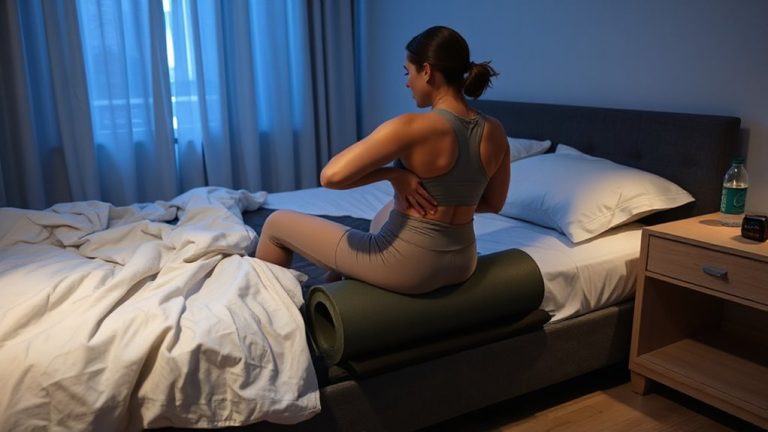
Exercising late in the evening can affect your sleep, even though physical activity generally supports better rest. The key issue is exercise timing-working out within two to three hours of bedtime may trigger post workout arousal, raising your heart rate and alertness when your body should be winding down. While moderate evening exercise might not disturb everyone, intense workouts often delay sleep onset, especially if you’re sensitive to stimulation. Your core temperature rises during exercise and needs time to drop for sleep readiness, which can take hours. If you prefer evening workouts, try easing intensity and allowing a buffer between finishing and bedtime. This helps reduce post workout arousal and supports natural sleep signals. Pay attention to how your body responds, as individual differences matter. Adjusting exercise timing could improve sleep without needing sleep aids. Trial shifts in routine and track results over a few nights to see what works best.
When Stress Turns Into Sleepless Nights
What happens when your mind won’t shut off at night, even when you’re exhausted? Stress often turns into sleepless nights when unresolved emotional triggers keep your brain active. You might replay past events or worry about the future, feeding anxiety cycles that disrupt your ability to fall asleep. These patterns aren’t just annoying-they can become habits that rewire how your body responds to bedtime. Doctors evaluate how daily pressures build up and whether you have tools to manage them. Identifying what sparks these reactions helps break the cycle. Relaxation techniques, journaling, or talking with a therapist can reduce the intensity of stress responses. It’s not about eliminating stress entirely but learning how to respond differently. Small shifts in coping strategies can improve sleep quality over time, without relying on sleep aids. A variety of relaxation tools can support these efforts by promoting calm and reducing physiological signs of stress.
Bedtime Mistakes That Fuel Insomnia
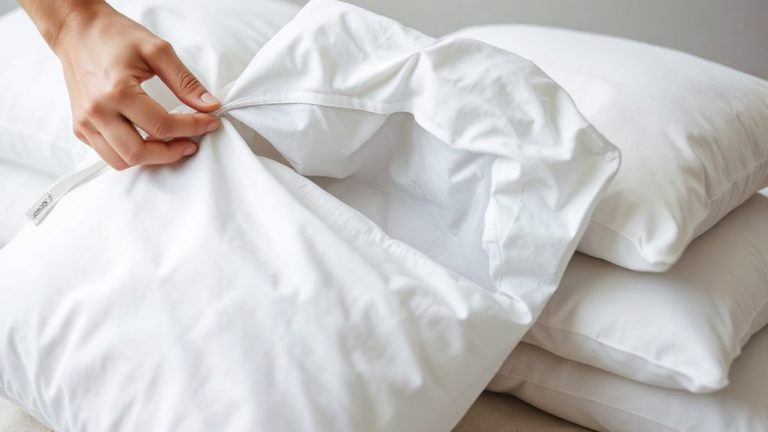
Why does lying in bed staring at the ceiling seem to make sleep more elusive? Because your brain starts associating the bed with wakefulness, not rest. Bedtime procrast;)ination-putting off sleep for screens or chores-fuels this cycle. You might not realize how much inconsistent routines affect your body’s internal clock. Irregular sleep and wake times confuse your natural rhythm, making it harder to fall and stay asleep. Over time, this increases the risk of chronic insomnia. Doctors often suggest setting a fixed bedtime and wake time, even on weekends, to build stronger sleep signals. Reducing pre-sleep distractions and creating a simple wind-down routine can improve sleep onset. While sleep aids may help short-term, they’re less effective without stable habits. Trying behavioral changes first offers clearer results and longer-lasting benefits. Consider tracking your patterns to spot triggers and adjust wisely. Upgrading your bedding can also support better sleep hygiene by enhancing comfort and promoting relaxation through high-quality materials like best bedding for ultimate relaxation.
On a final note
You can improve sleep by adjusting habits doctors often review. Limit caffeine, especially after noon, since it stays in your system. Reduce screen time before bed-blue light delays sleep onset. Avoid intense workouts close to bedtime. Manage daily stress with routines like journaling or slow breathing. Small changes in your evening habits help more than you think. If problems continue, talk to a doctor about causes and safe options-you might need a short-term aid while adjusting.