Using Virtual Reality as a Treatment Modality for Chronic Insomnia Sufferers
You can use virtual reality therapy to help manage chronic insomnia by guiding your mind into calming, immersive experiences before bed. Wearing a lightweight headset, you’ll explore soothing environments like forests or galaxies with audio and visuals designed to quiet racing thoughts. It’s not a cure, but studies show it may reduce how long it takes to fall asleep. Most systems work at home, pair with apps, and offer free trials and a 1-year warranty. Comfort and fit vary, so trying a model helps you find what works-there’s more to discover about making it part of your routine.
Notable Insights
- VR therapy uses immersive environments to reduce racing thoughts and support relaxation before sleep.
- It is a non-invasive, home-based tool that may decrease sleep onset time in chronic insomnia sufferers.
- While not a cure, VR can complement treatments like CBT-I by promoting pre-sleep calmness.
- Current evidence supports short-term benefits, but long-term effectiveness beyond three months remains uncertain.
- Popular VR apps like *Tripp* and *Bloom* offer guided sessions with customizable audio and visuals for personalized relief.
What Is VR Therapy for Sleep?
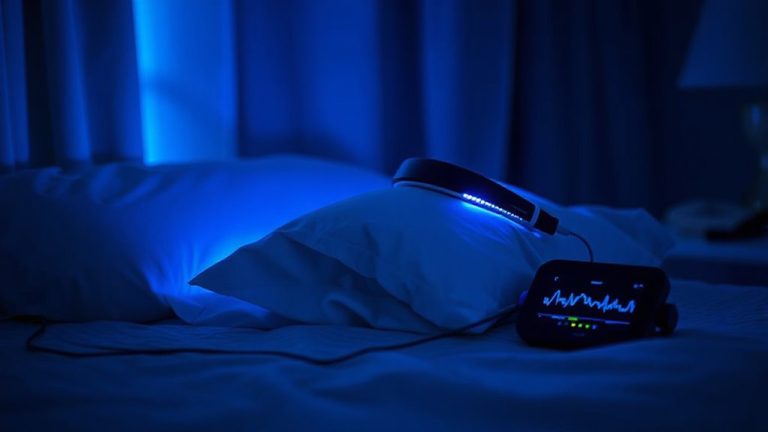
Think of virtual reality as a tool-not a cure-for managing chronic insomnia. You use VR therapy for sleep by wearing a headset that guides you through immersive relaxation experiences, like a quiet forest or a slow-moving galaxy. These environments provide sensory distraction, pulling your focus away from racing thoughts. The audio, visuals, and sometimes even haptic feedback work together to support calm breathing and muscle relaxation. Most systems are designed for home use, pairing with apps that track your session length and frequency. Devices typically come with a 1-year warranty and offer free trial periods. While setup is simple, comfort varies by model-try shorter sessions first. It’s not for everyone, but if you’re looking for drug-free support, VR may help you build better bedtime habits over time.
Does VR Actually Work for Insomnia?
How well does virtual reality actually help with chronic insomnia? Studies suggest VR can improve sleep onset and quality, but you should consider both benefits and limitations. Below is a snapshot of key factors:
| Feature | Detail |
|---|---|
| Effectiveness | Reduces sleep onset time in short-term use |
| Long term effects | Still under research; limited data beyond 3 months |
| User safety | Generally safe; minimal side effects reported |
| Device comfort | Lightweight headsets reduce neck strain |
You’ll want to weigh these aspects before choosing VR as a sleep aid. While early results are promising, the long term effects aren’t fully known yet. User safety remains high, with most people tolerating sessions well. VR isn’t a cure, but it may support better sleep patterns when used correctly.
How VR Therapy Helps You Fall Asleep Faster
You’re more likely to fall asleep faster with VR therapy because it guides your mind away from the stress and racing thoughts that often delay sleep. Sensory immersion in calming virtual environments-like quiet forests or gentle ocean scenes-helps relax your body and shift focus from daily worries. These experiences are designed to work with your natural sleep rhythms, using soft visuals and soothing audio to signal it’s time to rest. Some systems even include neural feedback, adjusting the scenery or sounds based on your brain’s activity to deepen relaxation. You don’t need special skills to use it; just put on the headset and follow the guided sessions. Most devices offer trial periods, so you can test comfort and effectiveness before committing. While results vary, many users report falling asleep quicker after regular use. It’s not a cure, but it can be a helpful tool when combined with good sleep habits.
Best VR Apps for Chronic Insomnia Relief
Where should you start when choosing a VR app designed for chronic insomnia relief? Look for apps that offer guided meditation and sleep stories, since both have been shown to calm the mind before bed. Apps like *Tripp* use immersive visuals and voice-led sessions to guide your breathing and focus, helping you relax gradually. *Bloom* combines soothing environments with short, narrated sleep stories tailored to reduce nighttime anxiety. Many include adjustable audio, session lengths, and ambient soundscapes so you can personalize your experience. Most offer free trials, letting you test features without commitment. Check device compatibility and whether a warranty covers software glitches. While not a cure, consistent use may support better sleep onset. Choose one that fits your routine and lets you wind down naturally-without pressure to “fall asleep fast.” These tools work best when used nightly, as part of a quiet, screen-free bedroom habit.
VR vs. CBT-I and Sleep Meds: Which Works Better?
While VR apps can help ease your mind before bed, they’re just one option among others like cognitive behavioral therapy for insomnia (CBT-I) and sleep medications. CBT-I is backed by strong evidence for long term efficacy, helping you reshape habits and thoughts that disrupt sleep. Unlike sleep meds, it doesn’t carry side effects, though it takes time and effort. Medications often work fast but are best for short-term use due to side effects and reduced effectiveness over time. VR shows promise as a calming tool, especially for winding down, but research on its long term efficacy is still limited. You might find it useful alongside other methods, but it’s not yet proven to replace CBT-I. If you’re weighing options, consider both safety and sustainability. Each method has trade-offs, so what helps you now might differ from what works months ahead.
Best VR Headsets for Sleep Therapy
A good VR headset can make a real difference when used as part of a sleep therapy routine, especially for those dealing with chronic insomnia. When choosing a device, prioritize device comfort-look for lightweight designs with soft, adjustable straps and breathable materials so you can wear it without pressure or irritation. Poorly designed headsets may cause motion sickness, especially during calming, slow-moving experiences meant for relaxation. Opt for models with high resolution and low screen-door effect to reduce eye strain. The Meta Quest 3 offers strong performance and spatial audio, while the Pico 4 provides excellent comfort and good warranty support. Many come with trial periods, so test before committing. Check for easy setup and sleep-specific apps. Balancing motion sickness risk with device comfort helps guarantee a better experience overall.
Create a Bedtime VR Routine for Better Sleep
Now that you’ve picked a comfortable, well-performing VR headset suited for relaxation, you can start building a consistent bedtime routine that fits your sleep needs. Begin your routine 30 to 45 minutes before bed to signal your body it’s time to wind down. Use VR apps offering guided meditation set in calming environments-like forests or beaches-to ease mental tension. These sessions typically last 10–20 minutes and pair deep breathing with soothing visuals and audio. Follow this with dimming lights and removing the headset to shift into sleep rituals without blue light. Choose programs with adjustable volume and session length so you can tailor experiences over time. Many include progress tracking, helping you assess what works. Since consistency matters, stick with the same VR program nightly. Some apps offer free trials or refund windows, letting you test features before committing. Over time, these immersive sleep rituals may improve sleep onset and quality.
On a final note
You can use VR therapy as a sleep aid, but results vary. It helps by guiding relaxation and distraction, which may let you fall asleep faster. Some apps work well, especially with headsets designed for comfort. Still, cognitive behavioral therapy (CBT-I) has stronger evidence. Medications act faster but carry more risk. Try VR with a headset that fits well and offers a sleep routine. Check return policies and trial periods before buying.