How Light Therapy Can Help Reset Circadian Rhythms in Shift Workers
You can use light therapy to reset your circadian rhythm by exposing yourself to 10,000 lux of bright, white light right after your night shift. This delays melatonin release and helps your body adjust to sleeping during the day. Morning light exposure supports alertness while improving long-term sleep quality. Choose a light box with a large, evenly lit surface, low glare, and a UV filter. Many reliable models offer 30-day trials and adjustable stands. For best results, pair treatment with consistent sleep hygiene practices. More details on timing and device selection can help fine-tune your routine.
Notable Insights
- Light therapy uses bright light to influence the brain’s circadian control center, resetting internal clocks disrupted by night shifts.
- Exposure to 10,000 lux light immediately after a night shift delays melatonin release, promoting wakefulness during daytime hours.
- Consistent morning light sessions of 20–30 minutes help align the body’s rhythm with non-traditional work schedules.
- Using light boxes with broad-spectrum, UV-filtered light minimizes eye strain and maximizes circadian effectiveness.
- Combining light therapy with dark-enriched sleep environments supports better daytime sleep and long-term rhythm stability.
Why Night Shifts Wreck Sleep (And How Light Therapy Helps)
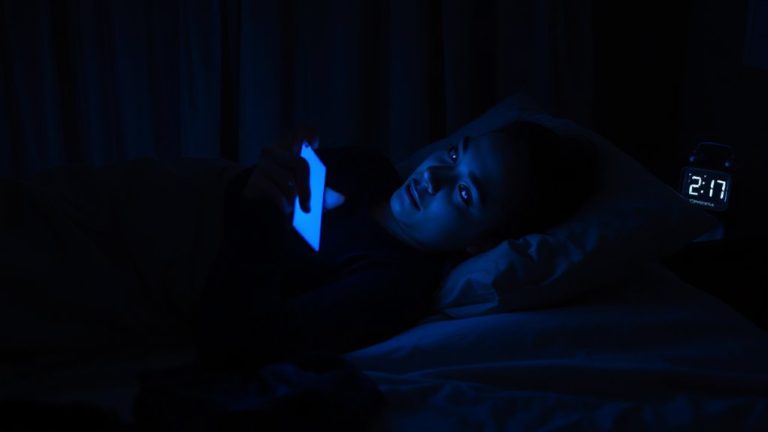
Why does working nights feel so disruptive, almost like your body’s fighting you? Because it is. Your internal clock expects darkness at night, but shift work forces wakefulness when it should be rest. This causes melatonin suppression, as light exposure tricks your brain into thinking it’s daytime. Without melatonin, falling asleep becomes harder, especially in the morning. At the same time, you may face cortisol imbalance, leaving you alert when exhausted or drowsy during work. These shifts strain sleep quality and duration. Over time, this increases risks for long-term sleep disorders. You might consider sleep aids, but they often only mask the issue. Instead, understanding how light affects your biology helps you make informed choices. Targeting root causes-like hormone timing-can guide better solutions.
How Light Therapy Adjusts Your Sleep-Wake Cycle
How can you reset a body clock that’s out of sync with your job? Light therapy helps by targeting retinal sensitivity to specific blue-green wavelengths, signaling your brain to shift its rhythm. Morning light after a night shift delays melatonin release, while bright light during work hours supports alertness. Your eyes absorb this light, which then reduces melatonin suppression at unwanted times. Devices used for this are typically 10,000-lux lamps, proven effective in clinical trials. Most have timers and adjustable brightness, some come with UV filters and 30-day warranties. Consistent daily use, around 20–30 minutes, builds stronger circadian alignment. You’ll notice improvements in sleep timing and wakefulness. Though results vary, those with mild sleep disorders often benefit fastest. It’s a non-invasive aid, not a cure, best paired with good sleep hygiene.
When to Use Light Therapy After Night Shifts
When should you turn on that light box after surviving another night shift? Right after your shift ends-ideally within an hour-is when timing strategies matter most. Exposure to bright light at this time helps signal your brain to stay alert and delays melatonin production, aligning your internal clock with daytime wakefulness. For recovery optimization, limit light therapy to 20–30 minutes at 10,000 lux to avoid overstimulation. Avoid using it too close to your planned bedtime, as it could disrupt your ability to fall asleep. Morning sunlight can work too, but if natural light isn’t available, a light box offers consistent performance. Stick to a routine, even on days off, to support steady circadian adjustments. Consistent timing strategies enhance long-term sleep quality and improve wakefulness during active hours, supporting better health for shift workers.
Best Light Boxes for Shift Workers: Features That Matter
You’ve likely figured out the best time to use light therapy after a night shift-soon after your shift ends to help your brain stay alert and delay sleepiness. Now, picking the right light box matters. Look for one that emits bright white light, not just blue light, since broad-spectrum light is often more effective and easier on the eyes. Brightness levels should be at least 10,000 lux to deliver strong circadian signals in shorter sessions. A large, evenly lit surface helps you get consistent exposure without needing to sit too close. Opt for boxes with sturdy build quality and tilt stands so you can adjust the angle during use. Many models offer a 30-day trial or warranty, which lets you test comfort and effectiveness. Choose one with minimal glare and low flicker to avoid eye strain. For shift workers, selecting from the Top Light Therapy Lamps can ensure you get a device tailored to demanding schedules.
Create a Light Therapy Routine for Daytime Sleep
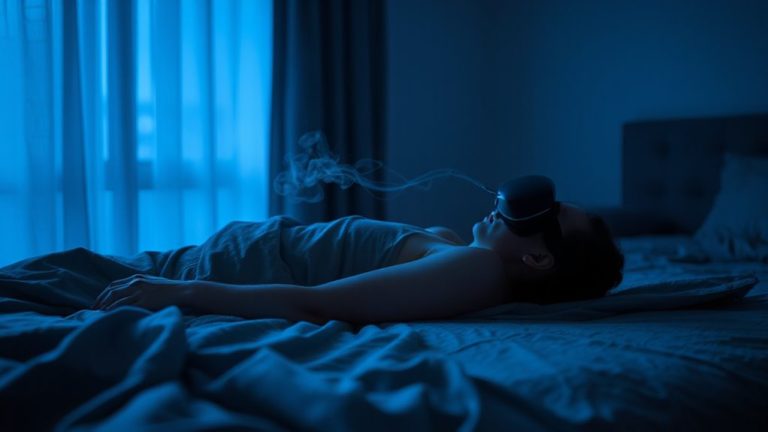
A well-designed light therapy routine can make a real difference in preparing your body for daytime sleep after a night shift. Start by avoiding blue light at least 60 minutes before your target sleep time-this helps signal your brain that it’s time to rest. Use blackout curtains and a sleep mask to block sunlight, improving your sleep quality. Consider using a light box with adjustable brightness and minimal blue light emission in the hour before bed. After your shift, wind down with dim, warm lighting to support melatonin release. Keep your bedroom cool and quiet. Stick to a consistent sleep schedule, even on days off, to strengthen your body’s rhythm. Some light therapy devices come with timers and trial periods, letting you test what works best. Over time, these steps can support better adaptation to shift work. For optimal results, choose one of the best sleep therapy lamps designed to enhance circadian regulation and sleep onset, such as those featuring dawn simulation and red light settings. Best sleep therapy lamps can make a meaningful difference in sleep quality for shift workers.
On a final note
You can use light therapy to help reset your circadian rhythm after night shifts by choosing a light box with at least 10,000 lux and UV filters. Expose yourself to bright light during or right after your shift, then block blue light afterward with amber glasses. Stick to a consistent routine, and pick a device with a solid warranty and clinical backing. Test it over a few days to see how your sleep responds.