Minimizing Hip Drop in Plus-Size Sleepers Using Reinforced Perimeter Edge Systems
You’re more likely to sink at the hips if your mattress lacks firm edge support, especially with a heavier build. Reinforced perimeter systems-like steel coils or high-density foam-help prevent this by keeping your spine aligned and reducing pressure. These edges resist sagging over time and make getting in and out easier. Models with medium-firm to firm support, 10-year warranties, and 100-night trials let you test durability and comfort. Strong edges don’t just add stability-they expand usable space and improve long-term sleep quality. You’ll see how small design choices make a real difference in support and alignment night after night.
Notable Insights
- Reinforced perimeter edges provide firm support to prevent hip drop for plus-size sleepers.
- High-density foam or steel coils in edge systems resist compression and improve durability.
- Strong edges enhance spinal alignment by maintaining even weight distribution across the mattress.
- Enhanced edge support increases usable sleep surface and stability when sitting or lying near borders.
- Hybrid mattresses with reinforced coil edges offer better support and airflow for heavier individuals.
Why Heavier Sleepers Sink at the Hips
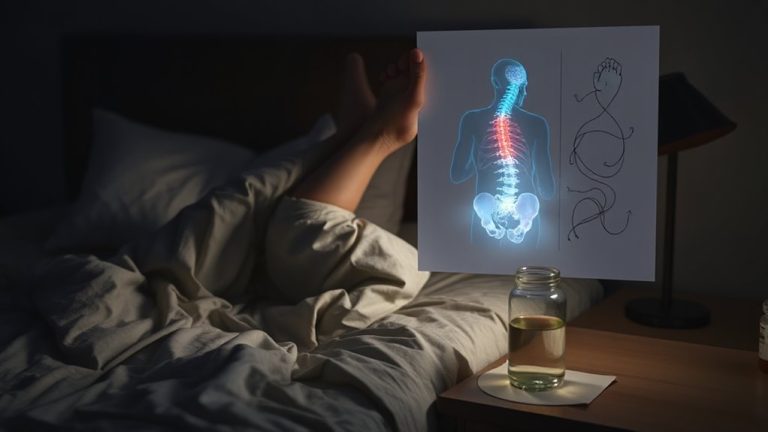
Even if you’re not sure why, you’ve probably noticed that your hips sink more into the mattress than the rest of your body, especially if you carry extra weight. That’s because your body weight concentrates around the hips, increasing pressure on that area. Without proper support, the mattress compresses unevenly, disrupting spinal alignment. This affects pressure distribution, which should ideally spread force evenly to prevent discomfort. Poor pressure distribution can lead to stiffness or joint pain, especially overnight. A mattress that responds well to body weight helps maintain alignment and reduces strain. Look for models designed with denser foams or reinforced zones under the hip area to improve balance. These features support better pressure distribution without sacrificing comfort. Many quality options include trial periods, so you can test how well a mattress handles your weight. Check warranty terms too-longer coverage often reflects durability for heavier users. Mattresses with spring coil systems offer enhanced support and durability, especially when combined with reinforced edges to resist sagging.
How Mattress Edge Support Stops Hip Drop
Your hips sink because of how weight presses down on softer areas of the mattress, but strong edge support can make a real difference in preventing that dip. Reinforced perimeter systems add firmness along the sides, helping distribute your weight more evenly and keeping your body aligned. This support boosts edge durability, so the mattress resists sagging over time, even with regular use near the border. Better edges also improve accessibility, making it easier to sit or get in and out of bed. Plus, they enhance motion isolation, meaning shifts on one side won’t disrupt the other-key if you share the bed. These features help maintain a stable sleep surface, supporting proper posture and reducing strain. Look for models with solid edge construction and test them in person when possible. Many offer trial periods and warranties, letting you check long-term performance.
High-Density Foam vs. Steel Coils: Best Edge Materials
Edge support starts with the materials underneath, and two common options are high-density foam and steel coils. You’ll find high-density foam used along the perimeter for a firmer feel when sitting or sleeping near the edge. It offers good edge durability and resists compression over time, especially in quality constructions. Steel coils along the edges provide strong support and enhance material resilience, making them ideal if you move a lot or share the bed. Coils generally add more structure, helping prevent sagging with long-term use. Foam is often quieter and more affordable, while coils may last longer under heavy use. Both materials work well, but your choice depends on how much edge support you need and how you use your mattress. Check the warranty, since longer coverage often reflects confidence in edge durability and overall material resilience. Trial periods help you test which support feels better.
Best Mattresses for Strong Support and Comfort
A balanced blend of support and cushioning makes all the difference when finding a mattress that works for your body and sleep style, especially if you’re looking to minimize hip drop and stay comfortable all night. Look for models with strong cores and thoughtful layering that offer both durability and comfort. Good temperature regulation keeps you from overheating, while effective motion isolation helps if you share the bed-so you won’t feel every shift. Best Mattresses for Heavy Individuals are specifically engineered to support heavier body types without sacrificing comfort or spinal alignment.
| Mattress Type | Temperature Regulation | Motion Isolation |
|---|---|---|
| Hybrid | Good (airflow coils) | Excellent |
| Memory Foam | Fair (heat retention) | Excellent |
| Latex | Good (natural breathability) | Good |
Firmness levels between 5–7 usually work best. Most top brands offer 100-night trials and 10-year warranties, giving you time to assess long-term comfort and support.
Key Features That Prevent Hip Drop for Big Guys
When you carry extra weight, especially around the midsection, the way your body interacts with a mattress changes, and hip drop can become a real issue if the bed doesn’t provide enough targeted support. Look for models with high-density foam or pocketed coils near the hips to keep your spine aligned. Cooling gels infused in the comfort layers help regulate temperature, especially when combined with breathable covers that wick away moisture. These materials don’t just improve comfort-they let you stay asleep longer by reducing heat buildup. Firmness matters, too: medium-firm to firm feels better for most big guys, offering the resistance needed to prevent sinking too deeply. Check warranty length and trial periods, since testing the mattress over time reveals how well it truly supports your frame.
Extra Perks of a Stiff Mattress Edge
You’ve probably noticed how a sagging edge can make getting in and out of bed feel less secure, especially if you’re larger-framed and need more stable support near the perimeter. A stiff mattress edge boosts edge durability, so you won’t sink when sitting or shifting near the side. This added firmness helps maintain shape and support over time, contributing to long term resilience. Reinforced coils or high-density foam in the border resist compression, which is key if you frequently sleep close to the edge or use the full surface. Better edge support also increases usable sleep space and improves ease of movement. Many models with strong perimeter systems include extended trial periods and solid warranties, letting you test the support risk-free. When shopping, check for edge construction details-dense materials and reinforced frames often perform better. These features matter most if consistent support and durability are priorities. A best mattress for better posture can further enhance spinal alignment and reduce pressure points, especially when combined with robust edge support.
On a final note
You’ll sleep better when your hips stay aligned, not sinking into soft edges. Mattresses with reinforced perimeters-made of high-density foam or steel coils-offer the support heavier sleepers need. These systems boost durability, edge stability, and ease of movement. Look for strong warranties and sleep trials to test comfort risk-free. Choosing the right support balances firmness and comfort, improving rest over time without compromising on long-term performance.