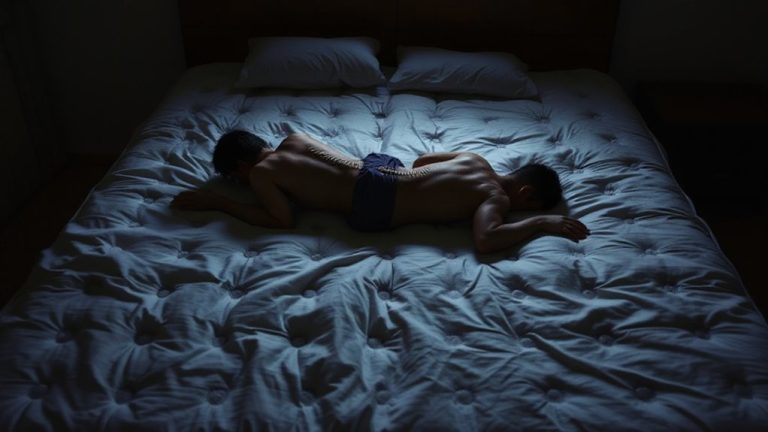
How Doctors Rule Out Medical Conditions That Mimic Insomnia Symptoms
Your doctor will check for sleep apnea, restless legs syndrome, thyroid issues, or nutrient deficiencies that mimic insomnia. They’ll review your meds, mood, and medical history, possibly ordering blood tests or a sleep study. Symptoms like nighttime breathing pauses or leg tingling help pinpoint the real cause. Treatment focuses on the underlying condition, not just sleep aids. You’ll learn which steps lead to better rest when the full picture comes into view.
Notable Insights
- Doctors review medical history and medications to identify drugs or conditions causing sleep disruption.
- Sleep studies detect breathing interruptions and oxygen drops to diagnose sleep apnea despite reported full sleep duration.
- Patients are evaluated for evening leg discomfort and urge to move, key signs of restless legs syndrome.
- Blood tests assess thyroid function and vitamin levels, identifying deficiencies or hormonal imbalances affecting sleep.
- Mental health screening helps detect anxiety, depression, or stress contributing to sleep onset or maintenance issues.
Could Your Sleeplessness Be Something Else?
Why can’t you sleep-could it actually be something other than insomnia? You might not realize that chronic pain, even when mild, can seriously disrupt your sleep cycle. Conditions like arthritis or fibromyalgia often make it hard to stay asleep, not just fall asleep. What feels like insomnia might actually be discomfort you’re used to, making it easy to overlook. Also, medication side effects could be playing a role-drugs for blood pressure, depression, or even over-the-counter antihistamines may interfere with rest. Doctors often review your medical history and current prescriptions to rule these out. They might adjust dosages or timing to reduce impact. Identifying the root cause means better, more lasting results. It’s not about quick fixes, but accurate ones. Tracking symptoms and reporting changes helps guarantee you get the right solution-not just a temporary aid.
Could Sleep Apnea Be Mistaken for Insomnia?
How often do you wake up feeling tired, even after a full night in bed? You might think it’s insomnia, but sleep apnea could be the real culprit. Unlike typical insomnia, sleep apnea involves repeated breathing interruptions during the night, often without your awareness. These pauses lead to nocturnal hypoxia-drops in blood oxygen-that fragment your sleep. Though you may not recall waking, your brain stirs repeatedly to resume breathing. Over time, this causes daytime fatigue, trouble focusing, and low energy. Because the symptoms overlap with insomnia, doctors often investigate sleep apnea when sleep difficulties persist. A sleep study can detect breathing patterns and oxygen levels, confirming if nocturnal hypoxia is disrupting your rest. Treatment, like CPAP therapy, improves airflow and sleep quality. Knowing the difference helps you pursue the right solution, so you can finally sleep-and stay-rested. For some patients, a custom-fitted sleep mouth guard may also be recommended to help maintain an open airway during sleep.
Is Restless Legs Syndrome Hiding as Insomnia?
Ever lie in bed, unable to sleep because your legs won’t stay still? That urge to move them, often with tingling or discomfort, could mean restless legs syndrome (RLS), not just insomnia. RLS frequently hides behind sleeplessness, especially when symptoms peak at night. Consider these key distinctions:
| Symptom | Insomnia | Restless Legs Syndrome |
|---|---|---|
| Primary issue | Trouble falling/staying asleep | Uncomfortable legs + urge to move |
| Leg movements | Rare | Frequent |
| Timing | Any sleep difficulty | Evening/night worse |
| Linked to | Stress, habits | Dopamine imbalance |
| Associated with | Anxiety, poor sleep hygiene | Periodic limb movements |
Doctors evaluate timing, sensation, and movement patterns to tell them apart. A sleep study might detect periodic limb movements. Since RLS ties to dopamine imbalance, treatments differ from typical sleep aids. Knowing the cause guides better choices-and better rest.
Could Thyroid or Other Medical Issues Cause Your Sleep Problems?
While you’re trying to pin down the cause of your sleep troubles, it’s worth considering that a deeper medical issue could be at play-especially something like an overactive or underactive thyroid. A thyroid problem can lead to a hormonal imbalance, which often disrupts your sleep cycle, leaving you restless at night or exhausted during the day. You might not realize it, but other underlying conditions like a vitamin deficiency-particularly in B12 or D-can also mimic insomnia symptoms. These deficiencies affect nerve function and mood regulation, both of which influence sleep quality. Doctors may order blood tests to check your thyroid levels and look for any nutrient gaps. Treating the root medical cause often improves sleep without needing long-term sleep aids. Identifying whether a physical condition is involved helps you make informed choices about next steps.
Could Anxiety or Depression Feel Like Insomnia?
A thyroid imbalance or nutrient deficiency isn’t the only hidden factor behind restless nights-your mental health could also be shaping how well you sleep. Anxiety often keeps your mind racing at bedtime, making it hard to fall or stay asleep, while depression can lead to either oversleeping or early waking. You might not realize that frequent panic attacks or mood swings are tied to your sleep troubles. These symptoms can mimic insomnia, even though the root cause is emotional, not physical. Doctors may ask about your mood, stress levels, or daily patterns to tell the difference. Treatments vary-some find relief with therapy, others need medication or lifestyle changes. Over-the-counter sleep aids might help short-term, but they don’t address anxiety or depression. A healthcare provider can guide you toward options with better long-term results and fewer side effects.
On a final note
You might not have insomnia if another condition is causing your sleep troubles. Doctors check for sleep apnea, restless legs, thyroid issues, or mental health concerns because treatments differ. A proper diagnosis means better sleep solutions-like CPAP, medication, or lifestyle changes. Testing is often quick, with clear results. If uncertain, a sleep study helps. Know your options, review symptoms honestly, and work with your doctor to decide the best step.