Why Cotton Twill Sheets Offer Better Drape Than Plain Weave
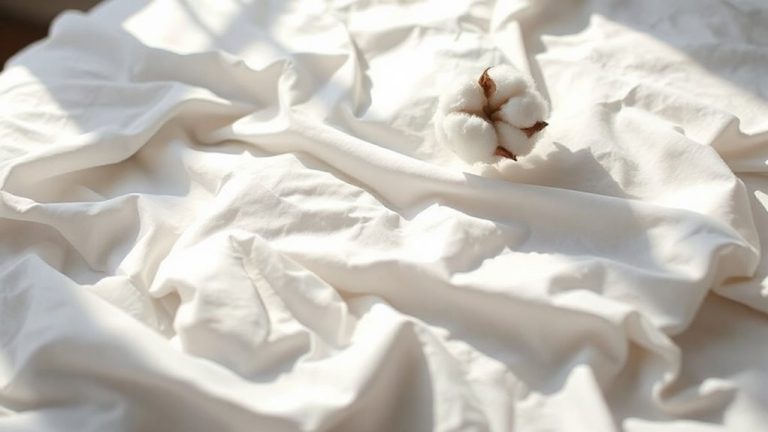
You get better drape from cotton twill sheets because the diagonal weave makes the fabric more flexible and stable. Its tighter, structured weave resists wrinkling while feeling softer right from the first wash. Unlike stiffer plain weave, cotton twill conforms smoothly to your mattress without bunching. The balanced thread tension keeps corners secure and maintains a neat appearance over time. You’ll find it breathable, durable, and easier to care for. There’s more to discover about how it enhances your sleep setup.
Notable Insights
- Cotton twill’s diagonal weave creates a smoother, more flexible fabric that drapes more fluidly over mattresses.
- Tighter thread packing in twill provides structure without stiffness, enhancing sheet conformity to bed contours.
- Reduced surface tension in twill allows softer hand feel and easier fabric movement for better drape.
- The looser thread tension in twill increases material give, improving adaptability to mattress shapes.
- Balanced weave density prevents bunching and maintains a neat, wrinkle-resistant drape during use.
What Is Cotton Twill and How It Drapes Better?
While you’re comparing sheet options, it helps to understand how cotton twill is constructed, since that directly affects how it feels and performs. You’ll notice cotton twill has a diagonal rib pattern, created by weaving the threads with a specific over-one, under-three technique. This tighter weave gives it slightly more weight and structure, which means it drapes smoothly over your mattress and resists wrinkling. The fabric luster is subtle but noticeable, lending a refined look without sacrificing comfort. Even with its tight weave, cotton breathability remains strong, allowing air to circulate so you don’t overheat. That makes these sheets a practical choice if you value both comfort and ease of care. They hold up well over time, often backed by a 100-night trial and a long-term warranty, letting you test them thoroughly.
Plain Weave vs. Cotton Twill: Why One Feels Stiffer
You’ve seen how cotton twill’s diagonal weave gives it a smooth drape and wrinkle-resistant finish, but now let’s look at how it compares to plain weave when it comes to feel. Plain weave feels stiffer because its threads cross at right angles with higher thread tension, creating a tighter structure. This increased fabric density limits flexibility, making the material less yielding against your skin. Cotton twill, in contrast, uses a looser thread tension during weaving, allowing for more give. That reduced density across the surface enhances softness right from the start. If you’re sensitive to texture or have trouble sleeping due to discomfort, the initial stiffness of plain weave might need a few washes to improve. Twill’s looser construction often means greater comfort out of the package, which can matter if you’re adjusting your sleep environment. Consider how fabric feel influences your routine-especially if you’re using sheets as part of broader sleep aid strategies.
How Cotton Twill’s Diagonal Weave Adds Softness
The diagonal weave in cotton twill isn’t just about looks-it’s a key reason the fabric feels softer from the start. You’ll notice the diagonal texture creates a slight lift in the threads, which adds subtle cushioning against your skin. This structure gives the fabric more weave flexibility, letting it conform gently to your body rather than lying stiffly like plain weave. Because the yarns aren’t pulled as tightly at right angles, the material breaks in faster and feels smoother after the first wash. You don’t need to wait weeks of use to enjoy softness. The construction also reduces surface tension, so it’s less likely to feel scratchy, especially if you have sensitive skin or sleep hot. With better drape and immediate comfort, cotton twill offers a practical upgrade for restful sleep. Try it with a sleep trial to see how it suits your nightly routine. For those seeking even greater softness, best modal sheets are a top choice due to their smooth, breathable fabric.
Tighter Threads, Smoother Sleep: Fewer Wrinkles, Better Drape
Cotton twill’s diagonal pattern does more than soften the feel-it also lets the threads pack more tightly without adding stiffness, which means you get a smoother surface right out of the wash. That tight weave comes from balanced thread tension, keeping the fabric stable and wrinkle-resistant over time. You’ll notice less creasing, even after heavy use, because the fabric alignment stays consistent wash after wash. This structure helps maintain a neat, drapey finish that looks well-kept with minimal effort. Unlike plain weave cotton, which can shift and warp, twill holds its form, reducing the need for ironing. For those seeking easier care and longer comfort, this stability matters. Better drape means sheets stay aligned on the mattress, enhancing sleep quality by limiting nighttime adjustments. With fewer disruptions, you may find it easier to stay asleep. Some brands offer trial periods, so you can test the feel risk-free. Look for details on wash performance and warranty when comparing. When considering alternatives, note that best satin sheets also provide a smooth, lustrous finish ideal for reducing friction and enhancing comfort.
Why Cotton Twill Sheets Resist Bunching and Stay in Place
Because the diagonal weave of twill creates a stronger, more flexible fabric, these sheets handle movement better and resist shifting during the night. You’ll notice less bunching at your feet or sides, thanks to the even thread alignment that supports consistent fabric tension across the surface. Unlike plain weave, where threads cross at right angles and can loosen with motion, twill’s staggered interlacing helps the material rebound to its original shape. This means the sheet stays taut and aligned on the mattress, reducing disruptions to your sleep. If you move a lot or struggle with discomfort from tangled bedding, this stability can make a difference. The balanced fabric tension also helps fitted sheets grip corners securely. Many brands offer trial periods, so you can test how well they stay in place. It’s a practical upgrade worth trying if restless sleep or frequent sheet adjustments are concerns. For those seeking reliable performance, the best tight-fitting sheets combine twill’s structural advantages with deep pockets and elasticized edges.
Long-Lasting Luxury: Durability That Supports Drape
Feel how the fabric glides smoothly over your mattress, holding its shape night after night-twill’s tight, diagonal weave isn’t just strong, it’s built to last. That durability comes from high thread density, which packs more fibers into each square inch, adding resilience against thinning and pilling. You’ll notice this when you wash them-cotton twill resists wear far longer than plain weave, keeping its smooth surface and drape over time. The weave’s structure also boosts wear resistance, reducing friction damage from regular use. This means fewer replacements and a longer life, supporting consistent comfort. Sheets that hold up well help maintain a stable sleep environment, which may benefit those sensitive to texture changes. You can expect reliable performance, especially if you value low maintenance and lasting softness. Many quality brands back this with warranties, so testing them risk-free makes comparison easier. Durability isn’t just about strength-it’s about sustained comfort.
How to Choose Cotton Twill Sheets for the Best Drape
While drape affects how smoothly your sheets settle over the mattress, choosing the right cotton twill starts with understanding thread count and weave density. You’ll want a thread count between 300 and 500-high enough for softness and structure, but not so high that it sacrifices breathability. Too high a count can compress the fibers, making the fabric stiff and less fluid. Instead, focus on balanced weave density, which supports a natural fall over your body. Fabric weight also matters; aim for a mid-range weight of about 4.5 to 5.5 ounces per square yard. It’s heavy enough to feel substantial but light enough to breathe, especially if you tend to sleep warm. Check whether the brand offers a sleep trial or warranty-many do, so you can test drape and comfort firsthand.
On a final note
You’ll find cotton twill sheets drape more smoothly than plain weave due to their diagonal structure, which adds softness and reduces stiffness. Tightly woven threads resist bunching, stay in place, and resist wrinkles over time. This weave offers durability without sacrificing comfort, supporting a restful sleep. Look for options with a quality finish and consider trial periods or warranties when choosing-helping you test feel and performance before deciding.