Blue Light Glasses for Jet Lag: Timing Guide for Travelers
Blue light blocking glasses help reset your body clock during business travel by filtering the artificial light that delays melatonin. Wear them 1–2 hours before bed at your destination to align with local time. Amber or red lenses block 90–100% of blue light, supporting natural sleep. Use them on flights or late work nights, and pair with morning sunlight for faster adjustment. Look for comfortable, wraparound styles with a trial period. More benefits follow.
Notable Insights
- Blue light blocking glasses help reset your body clock by preserving natural melatonin release during business travel.
- Wearing them 1–2 hours before bedtime signals your body to prepare for sleep at the destination’s local time.
- They reduce circadian disruption by filtering blue light from screens and airplane cabin lighting during evening hours.
- Amber or red-tinted lenses that block 90–100% of blue light below 500 nm are most effective for circadian alignment.
- Pairing evening glass use with morning natural light exposure speeds adjustment to new time zones.
How Flying Wrecks Your Sleep Schedule
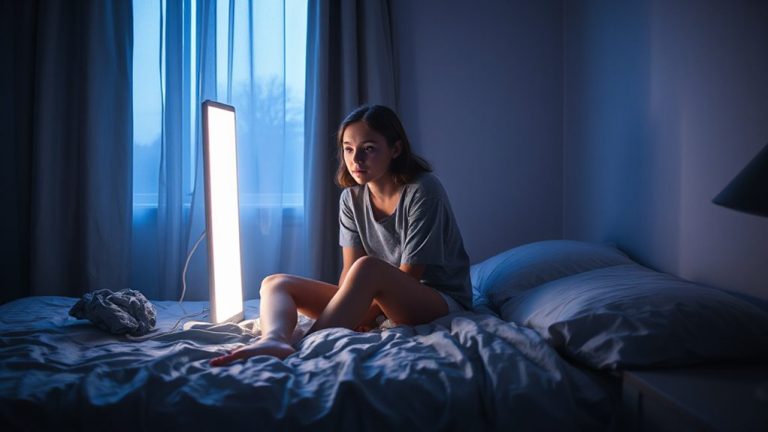
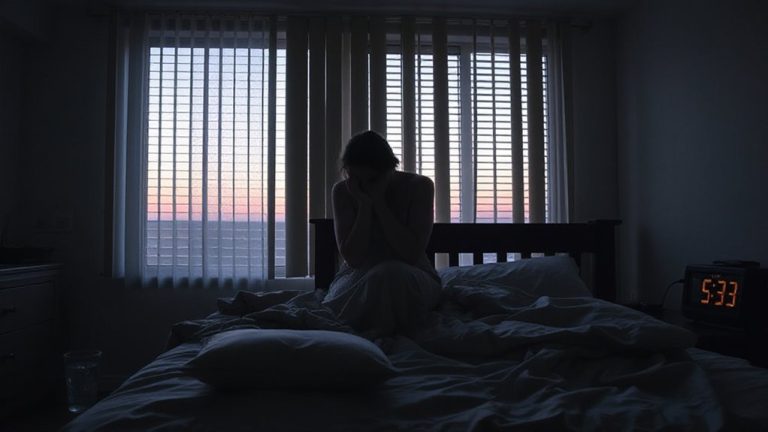
Why does stepping off a plane leave you feeling so out of sync? Because your body’s internal clock is still running on home time. Crossing time zones creates circadian disruption, confusing your sleep-wake cycle. You might feel alert at midnight or exhausted at noon. This mismatch causes travel fatigue, making focus, digestion, and rest harder. Your body needs time to adjust, often at a rate of one day per time zone crossed. While some rely on sleep aids, they don’t fix the root issue-misaligned rhythms. Instead, gradual light exposure and consistent sleep times help reset your body clock. Prioritizing sleep hygiene during and after travel reduces severity. Recovery varies, but recognizing the signs early helps you respond wisely. Planning rest periods and adjusting schedules ahead of time can shorten recovery. Managing circadian disruption effectively improves performance and well-being without relying on medication or quick fixes.
How Blue Light Glasses Fix Jet Lag and Screen Fatigue
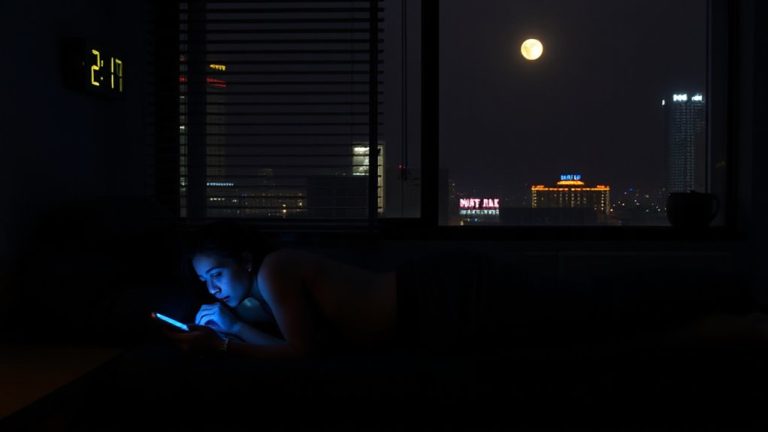
Stepping off a plane with your body stuck on home time isn’t the only challenge to your sleep cycle-digital screens add to the strain by flooding your eyes with blue light, especially when used at night. Blue light glasses help by supporting melatonin regulation, letting your body wind down naturally. They aid circadian alignment by filtering artificial blue light from phones, laptops, and cabin lights. This reduces screen fatigue and prepares you for better rest, even during travel.
| Feature | Benefit | Consideration |
|---|---|---|
| Amber lenses | Best for evening use, strong blue light filtering | May distort color perception |
| Clear lenses | Wear anytime, subtle filtering | Less effective for severe fatigue |
| Lightweight frames | Comfort during long flights | Durability varies by brand |
| UV protection | Shields eyes from sun and screens | Standard in most quality pairs |
| Warranty | Often 1-year, some offer trials | Check return policies before buying |
When to Wear Blue Light Glasses for Best Results
When should you actually put on your blue light glasses for the greatest benefit? Wear them in the evening, about 1–2 hours before bed, to support evening relaxation and signal your body it’s time to wind down. Blue light from screens can delay melatonin release, so blocking it helps maintain a natural sleep rhythm. Avoid wearing them during morning sunlight exposure, since natural light helps reset your body clock and boosts alertness. If you travel across time zones, start using the glasses at your destination’s local evening time to adjust faster. For best results, pair consistent use with a steady sleep schedule. Most models are lightweight and fit over prescription glasses, with anti-reflective coatings for comfort. Many brands offer trial periods, so test them for a few nights. This practical step supports healthy sleep without medication.
Choose Effective Blue Light Glasses for Travel
If you’re traveling across time zones, picking the right blue light glasses can help align your body clock with the local schedule. Look for glasses with high lens quality-they should block 90–100% of blue light below 500 nm for best results. Poor lens clarity can strain your eyes, especially in dim cabin lighting. Frame comfort matters too, since you’ll likely wear them for hours. Lightweight, adjustable frames reduce pressure during long flights or evening use. Below are key features to compare when choosing:
| Feature | Why It Matters | What to Look For |
|---|---|---|
| Lens Quality | Affects circadian signal blocking | Ambers or red-tinted lenses, >90% blockage |
| Frame Comfort | Guarantees consistent use | Lightweight materials, padded nose bridge |
| Fit and Coverage | Prevents light leakage | Wraparound or close-fitting design |
| Warranty & Trial | Lowers risk of wrong choice | 30-day return, manufacturer warranty |
Pick models offering trial periods to test performance.
Use Blue Light Glasses on Flights and Late Work Nights
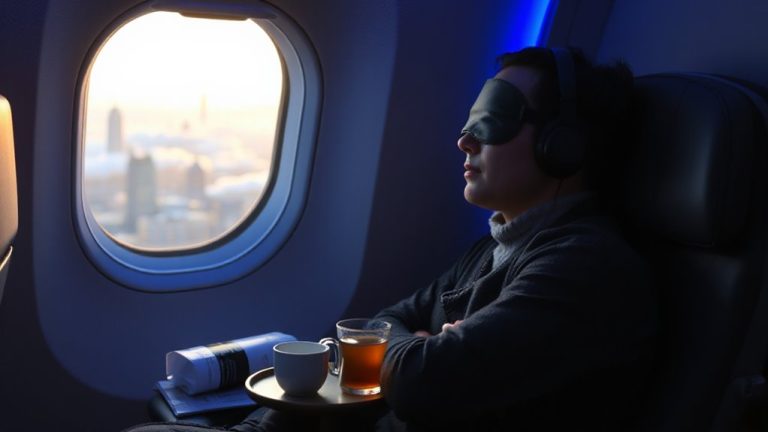
Though you might not always control your schedule, wearing blue light glasses during flights or late work nights can support your body’s natural rhythm by reducing disruptive light signals. These glasses help maintain proper melatonin regulation by filtering blue wavelengths from screens and cabin lighting. When you wear them consistently, you encourage better circadian alignment, especially when exposed to artificial light at night. This is key during long flights or extended work sessions, where sleep timing can shift. Look for lenses that block 90–95% of blue light between 400–450 nm for best results. Frames should be comfortable enough to wear for hours. Many brands offer trials or warranties, so test them during real travel or late shifts. Using them wisely may reduce reliance on sleep aids and support healthier sleep patterns without drastic changes to your routine.
Boost Glasses’ Effects With Smart Light Exposure
How can you get the most from your blue light glasses? Pair them with smart light exposure to strengthen circadian synergy. Wear your glasses in the evening, especially under artificial lighting, to support natural melatonin timing. Then, seek bright natural light in the morning-this boosts alertness and helps your body clock reset. Exposure to sunlight within an hour of waking tells your system it’s time to be active, improving sleep quality later. Use your glasses consistently during evening screen time or dim indoor lighting. This combo doesn’t just block blue light-it aligns your rhythms. You’re not relying solely on the glasses; you’re using them as part of a broader strategy. Small, consistent habits like these enhance performance over time. Many brands offer trial periods, so test what fits your routine.
Real Travelers’ Tips to Reset Sleep Fast
Jet lag doesn’t have to hijack your trip. Real travelers use simple strategies to reset sleep fast. Start with sleep hygiene: keep your room dark, quiet, and cool, and stick to a consistent bedtime, even when crossing time zones. Avoid screens an hour before bed-this supports your body’s natural wind-down. Manage caffeine timing by stopping intake by early afternoon; consuming it too late delays melatonin release and disrupts sleep onset. Some take melatonin supplements briefly to align their rhythm, but always check with a doctor first. Blue light blocking glasses help, especially when worn 2–3 hours before target bedtime. Together, these steps improve sleep quality and speed adjustment. Results vary, so test combinations at home before travel. Most find gains within two to three days.
On a final note
Blue light blocking glasses help reset your body clock by filtering the light that disrupts sleep. Worn in the evening, they support natural melatonin release, especially useful during travel across time zones. Look for lenses that block 90–100% of blue light below 470nm and consider a lightweight, durable frame for comfort. Most brands offer a trial period, so test them at home before flying. Pair use with reduced screen time for best results.