Chronobiology 2.1: Leveraging Personalized Data to Enhance Sleep Quality and Reduce Jet Lag Symptoms
You’re using Chronobiology 2.1 when you sync sleep with your body’s natural rhythms, guided by wearable data and biomarkers like melatonin levels. It helps you decide the best times to sleep, use light exposure, or consider sleep aids-without disrupting your circadian balance. Whether adjusting for jet lag or refining your routine, personalized timing improves recovery. Small, consistent changes based on your biology lead to better long-term results, and there’s more to discover about optimizing each phase.
Notable Insights
- Chronobiology 2.1 uses genetic, hormonal, and wearable data to personalize sleep timing and improve sleep quality.
- Melatonin onset and core body temperature drops signal optimal windows for sleep preparation and onset.
- Wearables track biomarkers like heart rate and movement to identify circadian rhythms and alertness peaks.
- Personalized light exposure and melatonin supplementation help align circadian rhythms during jet lag.
- Gradual adjustments to sleep and meal schedules based on chronotype reduce jet lag and enhance sleep consistency.
Understand Chronobiology 2.1 and How It Transforms Sleep
While your body runs on a natural 24-hour cycle known as the circadian rhythm, chronobiology helps explain how light, temperature, and routine shape your sleep quality and timing. Your genetic predisposition influences whether you’re a night owl or early riser, and this isn’t something you can change overnight. Hormonal fluctuations, like rising melatonin in the evening, signal your body to prepare for sleep. Understanding these patterns lets you adjust habits for better rest. If you struggle with sleep onset or wakefulness, consider how your environment and schedule interact with your biology. Small shifts in light exposure or bedtime routines can improve alignment. Chronobiology 2.1 uses this data to guide personalized decisions-like timing for sleep aids or adjusting routines-without relying on trial and error. It’s about working with your body, not against it.
Track Your Body Clock With Wearable Tech and Biomarkers
You can now take what you know about your body’s natural rhythm and start measuring it with real-world tools. Wearable devices track movement, heart rate, and sleep patterns, giving you a clear picture of your daily cycles. Some watches even estimate when your body temperature rises or dips, helping identify your peak alertness and rest periods. For deeper insights, genetic testing can reveal if you’re a natural early riser or night owl by identifying variations in clock-related genes. Hormone analysis, like measuring melatonin levels in saliva, shows how your body signals sleep onset. These biomarkers, combined with wearable data, offer a personalized view of your internal clock. Results can guide choices about sleep timing, light exposure, or whether to contemplate sleep aids. While not all tests are covered by insurance, many companies offer at-home kits with lab analysis and reports to help you make informed decisions. Optimizing your sleep environment with the right best sleep position pillows can further enhance sleep quality based on your personal chronobiology.
Optimize Sleep Using Your Biological Rhythms
How do you know when your body is truly ready for sleep? It’s tied to your natural sleep cycles and rising melatonin levels, which signal nighttime recovery. Syncing bedtime with these rhythms improves sleep quality and helps avoid disorders without immediate reliance on sleep aids. Use personalized data to time your wind-down routine right.
| Time Before Bed | Melatonin Levels | Body Response |
|---|---|---|
| 2–3 hours | Starting to rise | Wind down screens, dim lights |
| 1–2 hours | Increasing | Begin relaxation habits |
| 30–60 mins | Noticeably higher | Core temp drops, drowsiness |
| <30 mins | Peak onset | Ideal for falling asleep |
Adjusting to these cues lets you optimize rest using biology, not force. Track patterns over weeks to confirm what works.
Crush Jet Lag With Chronobiology 2.1 Strategies
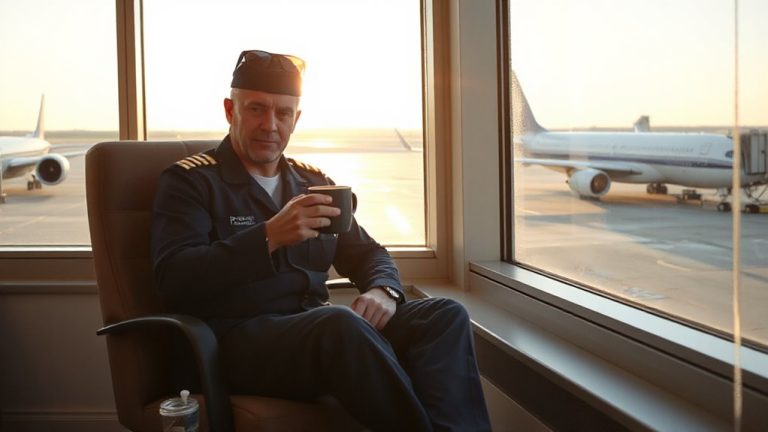
Why do some travelers bounce back quickly after long flights while others feel wiped out for days? It often comes down to genetic predisposition and how well you support environmental adaptation. Chronobiology 2.1 uses your personal data-like sleep patterns and circadian markers-to reduce jet lag symptoms more effectively. You can adjust light exposure, meal times, and melatonin intake based on your biology, not guesswork. If you fly east, gradually shift your sleep earlier before departure; flying west? Delay bedtime slightly. These strategies improve your body’s ability to adapt. Some wearables now track core body temperature and offer alerts for ideal sleep windows. They’re built with precise sensors and tested in clinical trials, often backed by a one-year warranty. You decide whether sleep aids are needed, but data helps guarantee they’re used wisely. It’s not about one-size-fits-all-it’s about smarter, personalized shifts. Top-rated devices provide continuous monitoring through best sleep trackers to enhance rest and support circadian realignment.
Create a Daily Routine Aligned to Your Body Clock
A well-timed routine can make a noticeable difference in how you feel throughout the day, especially when it’s built around your body’s natural rhythms. By aligning your schedule with your internal clock, you support better sleep hygiene and overall energy. Start by setting consistent wake-up and bedtime hours-even on weekends-because routine consistency strengthens circadian alignment. Eat meals and schedule activity at similar times daily to reinforce your body’s timing. If you struggle with falling or staying asleep, consider tracking patterns using wearable data to spot disruptions. Avoid relying on sleep aids unless guided by a professional, as they may interfere with natural rhythm development. Instead, focus on gradual changes that match your chronotype. Small, consistent adjustments tend to deliver more lasting improvements than sudden overhauls. This approach supports long-term rest without dependency, enhancing both sleep quality and daily performance. For deeper insights into your sleep cycles, consider using best sleep apps for Apple Watch to monitor rest patterns and optimize your routine.
Use Light and Timing to Maximize Rest and Recovery
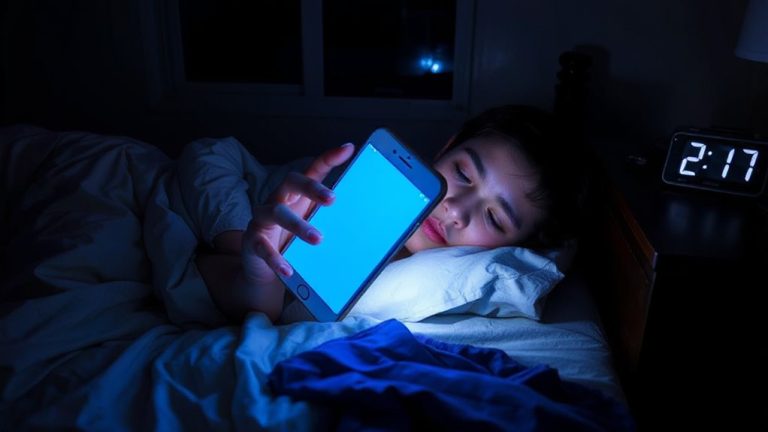
What if the key to better rest wasn’t found in pills or apps, but in the timing and type of light you’re exposed to each day? Your body relies on light exposure and timing cues to regulate sleep and recovery. Morning sunlight resets your internal clock, boosting alertness. Evening darkness signals melatonin release, preparing you for sleep. Misaligned cues-like screens at night-can disrupt this balance.
| Time of Day | Light Strategy |
|---|---|
| Morning | Seek bright natural light to strengthen timing cues |
| Afternoon | Maintain moderate light exposure for focus |
| Evening | Reduce blue light to support natural sleep onset |
Use adjustable lighting or apps that shift color temperature. Even small changes in light and timing cues can improve sleep quality and recovery, especially when adjusting to travel or shifts. Consistency increases effectiveness.
On a final note
You now see how Chronobiology 2.1 uses your personal data to improve sleep and ease jet lag. Wearables and biomarkers help track your rhythms, guiding when to sleep, wake, and seek light. By aligning routines with your body clock, you support natural recovery. Consider timing and light exposure before sleep aids. Many tools offer trial periods, so test strategies safely and adjust based on results.