Jet Lag Recovery Plan: Tips for Airline Pilots Adjusting to Daytime Operations After Night Flights
Stick to a consistent sleep schedule, even on days off, to reset your circadian rhythm in three to four days after night flights. Get 20–30 minutes of natural light soon after waking to boost alertness, and use bright indoor lighting during the day. Wear blue light blocking glasses in the evening and sleep in a cool, dark, quiet room with blackout curtains and white noise. Avoid alcohol and caffeine within six hours of sleep, time meals with daylight hours, and take 20–30 minute naps if needed. More strategies follow to fine-tune your shift change.
Notable Insights
- Reset circadian rhythm by maintaining a consistent sleep schedule, including days off, for at least three to four days.
- Expose yourself to natural sunlight or bright light within 30 minutes of waking to accelerate internal clock realignment.
- Optimize daytime sleep with blackout curtains, white noise, and a cool room temperature between 65–68°F.
- Avoid caffeine within six hours of sleep and limit intake to under 400mg daily to support rest quality.
- Align meals with daylight hours, starting soon after waking, to reinforce circadian rhythm and sustain daytime alertness.
Reset Your Circadian Rhythm After Night Flights

How do you reset your body clock after a long night flight? You rely on circadian flexibility and support your body’s natural biological adaptation. Start by setting a consistent sleep schedule-even on days off. Your body adjusts faster when it expects regular timing. If you struggle to fall asleep, consider non-habit-forming sleep aids, but check their effect over three to five nights before depending on them. Avoid alcohol, which disrupts deep sleep and slows adaptation. Light exposure isn’t discussed here, but your sleep environment is key: use blackout curtains, white noise machines, or cooling pillows to improve sleep quality. For added protection against allergens and pests that could disrupt rest, consider using a best mattress encasement. Track your sleep patterns for at least one full week to spot issues like delayed sleep phase disorder. Give yourself three to four days to adapt, as full biological adaptation rarely happens overnight. Small, consistent changes outperform drastic fixes.
Optimize Light Exposure for Daytime Alertness

Even if you feel groggy after a night flight, getting the right kind of light exposure during the day can sharpen your alertness and help your body adjust more smoothly. Morning sunlight is one of the strongest signals to reset your internal clock, so aim to spend at least 20–30 minutes outside shortly after waking. Avoid wearing blue light blocking glasses during daylight hours, as they may reduce the effectiveness of natural light in syncing your circadian rhythm.
| Time of Day | Light Type | Recommended Action |
|---|---|---|
| Morning | Natural sunlight | Spend time outdoors or near a bright window |
| Afternoon | Bright indoor light | Use full-spectrum lamps if needed |
| Evening | Dim, warm light | Begin blue light blocking to prepare for sleep |
Create a Sleep-Friendly Environment During the Day
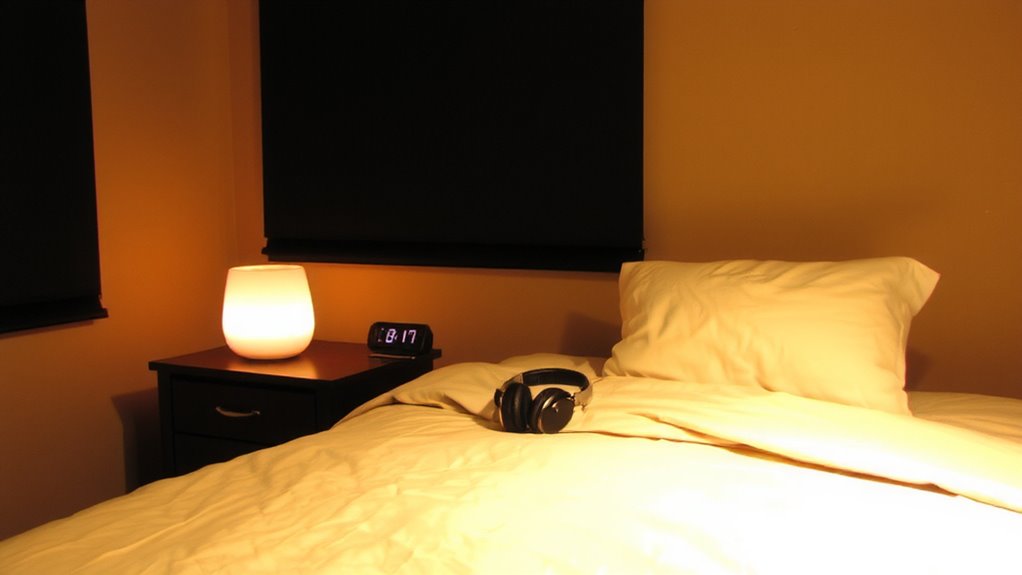
A quiet, dark, and cool space makes all the difference when you’re trying to sleep during the day after a long flight. Blackout curtains block sunlight effectively, helping your body recognize it’s time to rest, even at noon. Choose ones with thermal lining for better insulation and light blocking. White noise machines or apps can mask sudden daytime sounds like traffic or neighbors, creating a steady, soothing background. Look for models with adjustable volume and multiple sound options so you can find what works best. Keep your bedroom around 65–68°F for ideal comfort. Earplugs paired with white noise often improve results. Try different setups during short naps first, before committing to a full sleep cycle. Most sleep aids work better when your environment supports natural sleep patterns. Check product warranties if buying high-end devices, and consult a sleep specialist if problems continue. For maximum light blockage and noise reduction, consider the best blackout curtains as part of your sleep sanctuary setup.
Fuel Your Body With Day-Shift Meal Timing
Why does eating at the right time matter when adjusting to a new sleep schedule? Because meal timing directly influences your body’s internal clock. When you’re shifting to daytime operations after night flights, syncing food intake with daylight hours helps reset your rhythm. Start with meal planning that spaces meals every 3–4 hours, beginning with breakfast soon after waking. This regularity supports steady energy. Focus on nutrient timing by choosing balanced meals-protein, complex carbs, and healthy fats-to sustain alertness. Avoid heavy meals late in the evening, as they may disrupt sleep. Aligning your eating schedule with your new routine reinforces your body’s shift. Over time, consistent fueling patterns improve wakefulness during the day and support restful sleep at night. It’s a practical step that complements other recovery strategies.
Manage Caffeine to Avoid Energy Crashes
One or two cups of coffee can boost alertness during long shifts, but relying on caffeine too heavily often leads to energy crashes later. To support crash prevention, consider your caffeine timing carefully-ideally, consume it earlier in your shift and avoid it within six hours of planned sleep. Your body metabolizes caffeine at different rates, so pay attention to how it affects your wakefulness and sleep quality. Limit intake to under 400mg daily, roughly four 8-ounce cups of brewed coffee. Choosing lower-dose options like green tea may help maintain steady energy. If you use caffeine, pair it with consistent meal and sleep schedules to stabilize your circadian rhythm. Overuse may disrupt sleep onset or depth, especially during daytime rest after night flights. Monitor your response and adjust based on performance and recovery-small changes in caffeine timing can make a measurable difference in alertness and long-term adjustment.
Use Strategic Naps to Stay Sharp
If you’re flying across time zones and feel your focus slipping, a well-timed nap can help you stay sharp without disrupting your sleep cycle. Power naps of 20 to 30 minutes are ideal-they boost alertness and don’t leave you groggy. Longer naps can interfere with nighttime sleep, so stick to shorter breaks when possible. Use timing cues like your destination’s local clock or natural light exposure to schedule naps that align with your adjusted rhythm. Avoid napping too late in the day, as it may delay full adaptation. These short rests work best when planned, not impulsive. Treat them like part of your flight prep-consistent and purposeful. They’re not a fix for chronic sleep loss but can help bridge gaps during shift changes. Track how you feel after each nap to refine your timing. With practice, strategic naps become a reliable tool for maintaining performance.
Build a Daily Routine to Sustain Your Reset
You’ve used strategic naps to manage fatigue in the short term, but lasting adjustment depends on building a consistent daily routine that supports your body’s shift to a new time zone. Set fixed times for waking, sleeping, meals, and light exposure to help regulate your internal clock. Use meal planning to align food intake with local daytime hours, avoiding heavy meals at night that disrupt sleep. Pair this with hydration tracking, since even mild dehydration worsens fatigue and impairs focus. Drink water steadily through the day, but reduce intake close to bedtime to prevent sleep interruptions. If sleep problems persist, consider short-term use of sleep aids after consulting a doctor. For some, Best Melatonin Supplements can help accelerate the adjustment process when timed appropriately with light exposure. Monitor symptoms to identify possible sleep disorders. A steady routine, supported by proper nutrition and hydration, improves alertness and recovery over time, making daytime operations safer and more effective.
On a final note
You can ease into daytime operations by aligning light exposure, meals, and sleep times with your new schedule. Use morning light to reset your rhythm and keep naps short to avoid grogginess. Limit caffeine after midday and focus on a quiet, dark sleep space. If sleep troubles continue, consider speaking with a specialist to explore proven strategies or safe, short-term aids backed by trial data.