Seasonal Adjustments to Sleep Hygiene Practices: Strategies for Maintaining Consistent Sleeping Patterns Through Season Changes
Adjust your sleep routine with the seasons by syncing light exposure to natural daylight-use a 10,000 lux lightbox within an hour of waking if mornings are dark. Keep your bedroom between 60–67°F with insulation, thermal curtains, or smart climate controls. Spend 15–30 minutes outside soon after sunrise, even on cloudy days, to strengthen your internal clock. Pair consistent bedtimes with tools like smart alarms and sleep trackers to support lasting patterns. More ways to fine-tune your rhythm follow.
Notable Insights
- Sync light exposure to seasonal changes using a 10,000 lux lightbox within one hour of waking for 20–30 minutes.
- Maximize morning outdoor light exposure for 15–30 minutes to reinforce circadian rhythm alignment regardless of season.
- Maintain bedroom temperatures between 60–67°F year-round with insulation upgrades, thermal curtains, and programmable thermostats.
- Adjust daily routines to seasonal light and temperature shifts, including morning stretches and seasonal whole-food meals.
- Use smart alarms and sleep trackers to monitor sleep patterns and support consistent wake times across seasons.
Sync Your Light to the Season
When the days grow shorter or longer with the seasons, adjusting your light exposure can make a real difference in how well you sleep. You might find it harder to wake up in winter, or struggle to wind down when summer days stretch late. That’s where light therapy comes in-using a lightbox that mimics natural sunlight can help reset your internal clock. For best results, use it within an hour of waking for 20–30 minutes, keeping it at eye level but not staring directly at it. Meanwhile, maximize window exposure during the day by opening blinds and sitting near natural light. It’s a simple, no-cost boost to your rhythm. Light therapy units vary in brightness (measured in lux), with most medical-grade ones at 10,000 lux. Many come with warranties and adjustable settings, so try one for a few weeks to see how you respond. Top-rated devices offer features like dawn simulation and light therapy lamp options tailored to different needs.
Fix Your Bedroom Temperature All Year
Why does your bedroom feel too hot in winter or too cold in summer, even with the thermostat set the same? The answer often lies in poor bedroom insulation and uneven climate control. Heat seeps through walls, windows, and ceilings, while cold air drafts in during cooler months. Upgrading insulation in walls and around windows helps maintain stable temperatures. Consider thermal curtains or window films to reduce heat transfer. For climate control, programmable thermostats allow you to set ideal sleeping temps-usually between 60–67°F-automatically adjusting day and night. Some systems include zoning, letting you regulate your bedroom separately. If you use a space heater or fan, choose models with adjustable settings and safety features. Test different setups seasonally, noting what helps you fall and stay asleep. Good insulation and precise climate control support consistent, restful sleep year-round. For enhanced comfort, consider using the best sleep temperature regulators to maintain cool, consistent conditions throughout the night.
Adjust Your Routine With the Seasons
Though the seasons shift outside, your sleep routine doesn’t have to follow blindly. You can adapt gently by adjusting your daily rhythm to match natural changes in light and temperature. Start your day with morning stretches to signal your body it’s time to wake, boosting alertness as seasons change. These small movements help regulate your internal clock, especially when daylight shifts. Pair this with seasonal meals-eating foods in their natural harvest time supports digestion and energy levels, which in turn influences sleep quality. For example, autumn root vegetables or summer berries provide nutrients aligned with what your body needs each season. These adjustments don’t require drastic changes but build consistency over time. They work alongside stable sleep hygiene, like fixed bedtimes and dark sleeping spaces. Try these steps for a few weeks to see what improves your rest, and keep what works.
Get Outside at the Right Time
Getting outside at the right time helps anchor your body’s sleep-wake cycle to the natural rhythm of light and darkness. Exposure to morning sunlight signals your internal clock that it’s time to be awake, boosting alertness and helping you feel more energized. Try to spend at least 15 to 30 minutes outdoors within the first hour after waking, even on cloudy days-natural light at this time is much stronger than indoor lighting. This practice enhances your ability to fall asleep later, as your body begins to associate evening darkness with rest. Consistency matters, especially when seasons shift and daylight hours change. You don’t need intense activity-just walking or sitting near a window works. Over time, aligning with daylight patterns improves sleep onset and reduces nighttime awakenings without relying on sleep aids.
Use Tools to Stay on a Sleep Schedule
How do you keep your sleep schedule steady when daylight changes or busy days throw off your rhythm? Consider using smart alarms and sleep trackers to maintain consistency. Smart alarms monitor your sleep stages and wake you during lighter phases, reducing grogginess. They often include gradual light exposure or gentle sounds, easing you into the day. Sleep trackers, worn as wristbands or placed under mattresses, record sleep duration, quality, and disturbances. This data helps identify patterns linked to seasonal shifts. Many sync with apps, offering insights and personalized feedback. Devices like these usually feature rechargeable batteries and come with multi-night trial periods or limited warranties. While not medical tools, they support informed decisions about routines or potential sleep disorders. Choose models with accurate sensors and user-friendly interfaces to maintain long-term use without frustration.
Keep Your Circadian Rhythm on Track
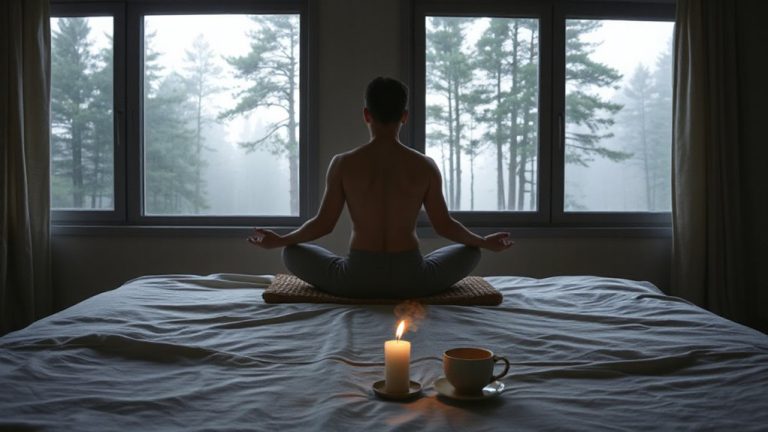
As the seasons shift, your body’s internal clock can easily fall out of sync unless you take deliberate steps to support it. Keeping your circadian rhythm on track means aligning daily habits with natural light patterns. Exposure to morning sunlight helps reset your internal clock, while reducing blue light in the evening supports melatonin release. Consistent bed and wake times stabilize your rhythm, even on weekends. Adding sleep meditation to your routine can ease the shift into rest by calming mental activity. A variety of best sleep meditations are available to suit different preferences and needs. If you wake with fragmented memories, dream journaling may help identify sleep disruptions or stress patterns. These tools don’t replace medical advice but offer insights when evaluating sleep disorders. Over time, combining consistent timing with mindfulness practices improves sleep quality. Monitor changes over a few weeks, and consider discussing results with a sleep specialist if issues persist. Most strategies are low-risk and adaptable.
On a final note
You can keep your sleep consistent through seasons by adjusting light, temperature, and routines. Syncing light exposure helps your circadian rhythm shift naturally. A stable bedroom climate supports comfort year-round. Timing outdoor activity strengthens your internal clock. Using tools like alarms or sleep trackers offers feedback. If problems persist, consider discussing sleep aids or disorders with a professional. Trial adjustments gradually, noting changes in sleep quality over time.